Home » Feeding Children » Page 19

Category: Feeding Children

The world of feeding challenges is vast. Picky eating. Refusal to eat at all. Oral sensory issues. Food anxiety. The list goes on. But I’ve got you covered. I’m here to help you navigate all of it and keep your child well nourished. Feeding children doesn’t have to be so stressful!

I have over ten years of experience feeding children well. I’ve dealt with just about every struggle possible. And I’ve come out the other side with healthy kids.

Our days of constant tummy aches, food allergies, failure to gain weight, picky eating and gagging on food are over.

I want the same for you! Feeding children should not be stressful. It should be a joy. And it can be. I’ll show you how.

My book Why Won’t My Child Eat?! will walk you through the process of figuring out specific problem foods and how to gradually get your child to eat more.

The blog is full of advice and tips on feeding children as well. Don’t struggle alone. I’m here to help!

Chicken Broth (Bone Broth)

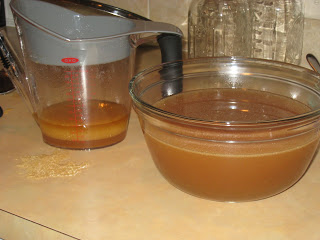
I’ve been reading so much about bone broth since I started reading Nourishing Traditions. It is packed with nutrients and is so good for digestion. I finally got around to making some on Sunday. I didn’t follow any one recipe/method exactly (based mine on both Nourishing Traditions and Naturally Knoced Up). But I did end up with awesome tasting, healthy broth! I got about 4 pints. It is quite concentrated. I could have easily added more water while cooking it. But I’ll just add the water as I use it…takes up less storage space that way 🙂  I froze 3 pints and kept one out for meals this week.

I started the process by roasting a whole chicken in the crockpot on Sunday morning. We had it for lunch. I kept all of the liquid in the crockpot after removing the chicken. After lunch I deboned the chicken and put all of the skin/bones/fat back into the crockpot (with the liquid and some other bones I had saved from last week). I added some onion and water and let it cook. Part way through cooking I added unrefined sea salt, pepper, garlic powder and some carrot chunks. Including the time the chicken was roasting I had my broth going for about 24 hours. After cooking I drained everything through a collander lined with cheesecloth. Then I ran the liquid through my gravy separator to remove some of the really fatty stuff. It was really quite simple. Messy, but simple. I will try to do it more often now so I always have some on hand. I would like to get to a point where I eat/drink at least a little broth every day to help in the process of healing my gut and just becoming healthier over all. And I’m anxious to try making bone broth from beef bones (when we get our Voogt beef). I’ll try to write out the process in a recipe fashion below. You can make this in a stock pot, but I though the crockpot was way easier than having something simmering on my stove all day. Plus I don’t feel comfortable leaving the stove on over night. You can do this in the opposite order…make the stock (simmering the whole chicken for the full time) and then eat the chicken. Some recipes say to add vinegar to help with the gelatinizing process. But I didn’t…I didn’t remember that part when I was making it 🙂  Mine is still plenty gelatinous. So, this is what I did. I’m no expert…this was my first attempt. But it seemd to work. And I had some for dinner last night. YUM!! Tastes like the best chicken soup you’ve ever had. I warmed it up with some of the leftover chicken (together) and had a pile of veggies on the side. Mmm.

Chicken Bone Broth

1 whole chicken (or whatever chicken parts you have)
Water
Seasoning (unrefined sea salt, pepper, garlic powder, herbs, bay leaf)
Veggies, very roughly choppped (whatever you like…onions, celery, carrots)
1-2 Tbsp. vinegar (optional)

Cook chicken or chicken parts. Place all of the bones, skin, fat in the crockpot (and any meat you want to add). At this point you can add 1-2 Tbsp. of vinegar and let it sit for an hour. This helps draw out the nutrietns from the bones. After the hour is up (or right away if you’re not adding the vinegar) you can add your veggies and seasoning. Or you can wait until half way through cooking. Add enough water to cover everything. Turn on the crockpot and bring to a boil. Skim off any nasty stuff that comes to the top (I didn’t do this…just waited until the end and strained everything well). Let simmer in crockpot 6-24 hours. The longer you cook it the more nutrients you draw out of the bones. When the cooking is finished drain everything through a colander lined with cheesecloth. As the broth cools the fat will rise to the top and you can skim off as much or as little as you want. Or if you have a gravy separator you can run the broth through it right away (before it cools). You can store it in the refrigerator or freezer. It works well to freeze it in ice cube trays so you can take out as much or as little as you want at a time.

Fermented Punch

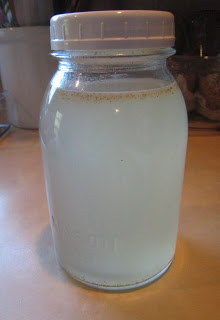
Keeping with my June goals I’m trying some fermented drinks. These can be more beneficial to your digestive system and overall health than only drinking water. And some of them are so easy to make. So I’m giving it a shot. I’m starting with punch. It’s a Nourishing Traditions recipe. It’s kind of like lemonade (basically lemon juice, water and sugar). Not sure how the fermenting will impact the taste. It’s still in the fermenting process. I’ll have to update once I’ve tried it (tonight or tomorrow). I hope it turns out well. It was simple to make. And a perfect way to use up some of the organic lemons I have. I only made a half recipe to try it. If it’s good it’ll be a very cheap, healthy and easy drink to have on hand in place of things like juice.

**Edited 6/2/10 – This is very good! Tastes like lemonade. Now I have a great replacement for my grape juice. I was wondering how I was going to be able to cut out juice. This is it! Cheap, easy and good for my tummy.

Fermented Punch
Makes 2 quarts

juice of 6-8 lemons
1/2 cup Rapadura (I used organic cane sugar)
1/2 cup whey
1/2 tsp. grated nutmeg
2 quarts filtered water

Place all ingredients in a 2 quart glass container (I used a 1 quart mason jar to make a half batch). Cover tightly and leave at room temperature for 2-3 days (I shook it up a bit when I first put it in the jar). Skim off any foam that may have risen to the top. Cover tightly and refrigerate. The punch will develop more flavor over time.

Fermented Fruit Chutney

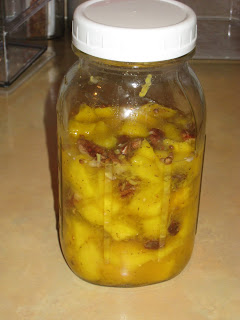
Last night I made another lacto-fermented recipe – fruit chutney. I used mangos, but you can use a variety of fruits. I don’t know if I’ve ever had chutney. But it sounded interesting. You generally eat it with meat. This smelled so good when I made it. Kind of like fresh lemonade 🙂  It looks a little odd because you see nuts and raisins floating around. But I bet it will taste very good. I only made a half recipe. This also comes from Nourishing Traditions

**Updated 5/30/10 – This turned out pretty well. We had it with beef brisket. They paired nicely. Justin said it tasted like something from a fancy restaurant 🙂  Neither Justin nor I are huge mango fans, so I think next time I try this I’ll use a different fruit. I bet apples or pears would be really good. And I think a little less salt would be good too.
Fruit chutney
Makes 1 quart

3 cups fresh peaches, pears, apples, mango or papaya
1/2 cup flitered water
grated rind of 2 lemons (preferably organic since you’re using the rind)
juice of 2 lemons
1/8 cup Rapadura (or cane sugar)
2 tsp. sea salt (unrefined)
1/4 cup whey
1/2 cup crispy pecans, chopped
1/2 cup dark raisins
1 tsp. ground cumin
1/2 tsp. red pepper flakes (I skipped this)
1/2 tsp. dried green peppercorns, crushed (I used some fresh ground black pepper)
1/2 tsp. dried thyme
1 tsp. fennel seeds (I skipped these)
1 tsp. coriander seeds

Mix water, lemon juice, lemond rind, Rapadura, salt and whey. Peel fruit and cut up into lemon juice mixture. Mix with nuts, raisins, herbs and spices and place in a quart-sized wide-mouth mason jar. Press down lightly with a wooden pounder or meat hammer (I used the end of a wooden spoon), adding more water if necessary to cover the fruit. The mixture should be at least 1 inch below the top of the jar. Cover tightly and keep at room temperature for 2 days before transferring to refrigerator. This should be eaten within 2 months.

Fermented Ketchup

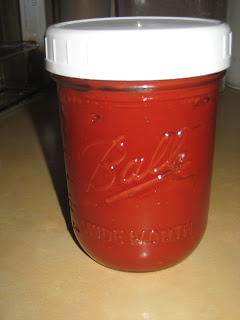
Another lacto-fermented food that sounded easy…and like something we would use regularly is ketchup! I’ve been wanting to make ketchup for a long time. And this sounded so easy and so good for my tummy. Perfect! It really was so simple to make. I can’t wait to try it later this week. I did have a little taste when I mixed it…yum! Ketchup that helps you dgiest your food…genius 🙂  I only made a half recipe. This is from Nourishing Traditions. I like the quote from the author:

“A return to ancient preservation methods would transform America’s favorite condiment from a health liability (produced in huge factories) to a beneficial digestive aid (produced as an artisinal product in farming communities).”

**Updated 5/30/10 – We tried this with beef brisket and french fries last night. Yum!!! It has a little different taste than the ketchup we normally use. But it’s still very good. It reminds me a little of pizza sauce. Rebecca didn’t even notice it wasn’t what we usually eat. Or if she did she liked this one better. She was easting it plain…scooping it with her fork and eating it 🙂  There wasn’t any left on her plate at the end of the meal. Definitely a keeper and a very easy way to eat fermented foods.

Feremented Ketchup
Makes 1 quart

3 cups canned tomato paste
1/4 cup whey
1 Tbsp. sea salt (be sure it’s unrefined)
1/2 cup maple syrup
1/4 tsp. cayenne pepper (I left this out)
3 cloves garlic, peeled and mashed
1/2 cup homemade fish sauce or commercial fish sauce (I used commercial…maybe someday I’ll make my own)

Mix all ingredients until well blended. Place in a quart-sized wide-mouth mason jar. The top of the ketchup should be at least 1 inch below the top of the jar. Leave at room temp for about 2 days before transferring to the refrigerator.

Fermented Bean Paste

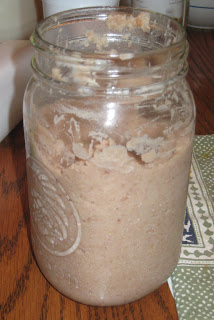
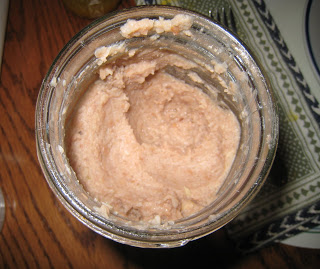
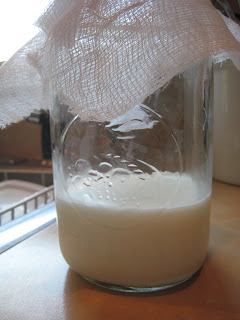
I’m trying out some recipes of lacto-fermented foods. Why? Because it’s good for digestion, of course 🙂  It enhances the food’s digestibility and increases the vitamin level. It also produces helpful enzymes and antibiotic and anticarcinogenic substances. And it promotes the growth of healthy flora in the intestines. To top it off…it’s easy! So I say, why not? And especially now that it’s hot it’s nice to be able to make food that you don’t have to cook. My first recipe is fermented bean paste. It sounded easy and delicious…kind of like hummus or refried beans. We haven’t used it yet, so I’ll have to update later with the verdict. I did taste just a little when I made it. It was quite strong, but good. I think part of the strong flavor comes from the onions I used…my FIL grows very strong onions. Maybe next time I’ll use a milder onion. I forgot to take a picture when I made it, so I’ll have to update later after we try it. You do need whey to make this (and most fermented fruits/veggies). You can make whey by straining yogurt. Very simple  I got this recipe from Nourishing Traditions.

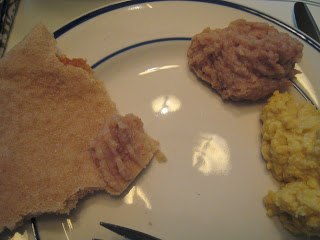
*Updated 5/29/10 – We tried this last night. It’s quite good. Justin and I both liked it. Like I said before, it’s very strong. The next time I make it I’ll use a milder onion. But it’s still good. I served it with homemade pita bread (along with some hummus). Great combo. And it’s good enough that I sometimes eat a spoonful before a meal (even if I’m not serving it with the meal) just to help my tummy. That’s what it’s for 🙂  It’s kind of a condiment…like having pickles with a meal. You just have a little with your meal.

Fermented Bean Paste
makes 1 quart

3 cups beans, cooked and drained (I used pinto beans…soaked for about 24 hours then cooked  for an hour or two)
1 onion, peeled and coursely chopped (I didn’t use this much onion and it was still very strong)
3 cloves garlic, peeled
1 Tbsp. sea salt (make sure it’s unrefined sea salt)
4 Tbsp. whey

Place the onion and garlic in food processor and process until well chopped. Add remaining ingredients and process until smooth. Place in quart-sized wide-mouth jar, leaving 1 inch of space between the top of the beans and the top of the jar. Cover tightly and leave at room temp for about 3 days before transferring to the refrigerator (it might take less time if your house is hot or longer if it’s cold). Serve as a dip with pita chips or tortilla chips.

Sourdough Bread


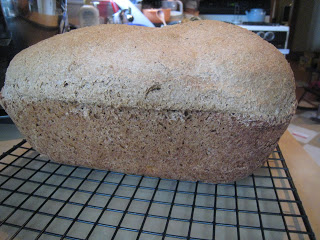
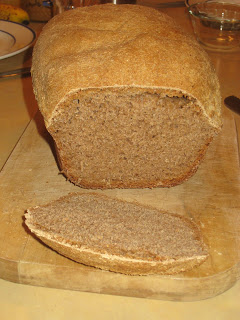
Sourdough Bread | Homemade Dutch Apple PieNow that I have a sourdough starter, I need to use it! My first experiment was the obvious…sourdough bread. I got the recipe from Nourishing Traditions.

The recipe makes a LOT of bread. I only did a half recipe to try it out. Especially since I had no idea if my starter was even good. I didn’t want to waste 13 cups of flour on something that might not work 😛  Plus I didn’t have 8 cups of starter.

After making quite a few loaves of sourdough bread now I have adjusted the recipe for making one loaf.

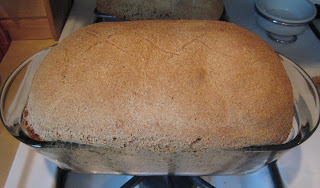
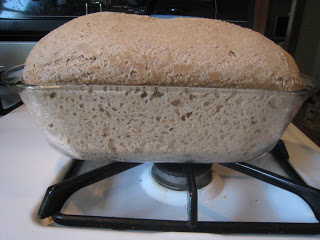
This is another plan ahead baking project. Sourdough bread has to rise for a long time. I mixed the dough in the morning (got the dough in the bread pans around 6:30 am). I didn’t end up baking it until about 6 pm! This works well if you want fresh bread for dinner.

Prepare the dough in the morning. Then pop it in the oven about 90 minutes before dinner.

For many people making traditional sourdough sounds intimidating. But it is actually so much easier than making a yeast bread.  You don’t have to worry about whether or not the yeast is working. You don’t have to get water temperatures just right. Sourdough is very forgiving. Plus it only takes three ingredients – flour, water and salt. Just mix, knead and bake.

Sourdough bread has a wonderful, mildly sour taste. It goes well with scrambled eggs or a bowl of soup. In my opinion the best way to eat it is plain with lots and lots of butter!

Sourdough bread is also great if you are pregnant or nursing.  The fermentation breaks down most of the gluten, if that is a concern (you must still avoid it if you have celiac). And sourdough bread helps with milk production. It is a great source of carbohydrates for a nursing mom.

Traditional sourdough is healthy and easy on your tummy. My whole family enjoys it even with our allergies and sensitivities. We seem to tolerate sourdough fine.

You can use a variety of flours when making sourdough. I always use rye for my starter. Then I usually use spelt for my baking. You can also use kamut or einkorn. Whole wheat works as well, but it may be harder to digest.

If you’ve never tried traditional sourdough bread you’re missing out! Get your sourdough starter going and whip up a loaf of fresh bread. Your whole family will enjoy it.

Once you’ve mastered sourdough bread you can try other delicious recipes like english muffins, honey walnut bread, granola muffins, crackers, breakfast cookiespizza dough and even graham crackers!

Do you enjoy sourdough bread? What is your favorite way to use sourdough?

Sourdough Bread
makes 1 large loaf

2 cups sourdough starter (at room temp)
3 cups spelt, kamut, einkorn or hard winter wheat flour
1/2 Tbsp. course sea salt
3/8 cup cold filtered water

The day before making the bread feed your sourdough starter (be sure you have at least 3 cups total) and leave it at room temperature.

Place the starter, salt and water in a large bowl (a stand mixer bowl works well) and mix with a wooden spoon until the salt has dissolved. Slowly mix in the flour (with a dough hook in a stand mixer). Add extra flour if the dough is too wet. Let it knead for 15 minutes.

Without pressing down the dough, cut or shape loaf into the desired shape and place it in a greased loaf pan. Cut a few slits in the top of the dough, cover and let rise from 4 to 12 hours.

Bake at 350 for about an hour. Allow to cool before slicing.

The bread will keep for up to a week without refrigeration.

Sourdough Starter

 
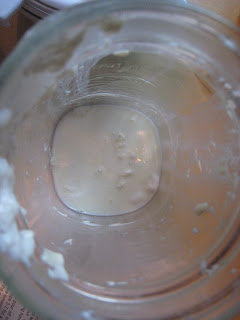
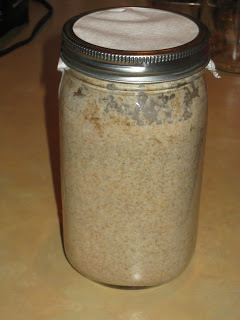
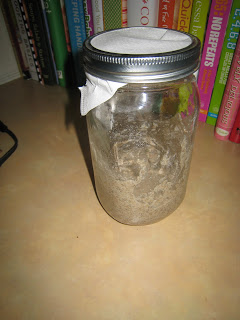
Don’t let the term sourdough starter scare you. Creating one is a simple process of mixing flour and water in a jar. Really, that’s all!
I’ve read a lot about the benefits of sourdough products recently. And I wanted to try it. But that requires a sourdough starter.
 
 
Sounds a bit daunting. Which is why I’ve never made sourdough anything before. But I decided to give it a go.
 
Turns out it’s not really that hard. All you do is mix flour and water and let it sit. 
 
It takes a week to make. I’m glad I tried this! Now I have a sourdough starter in my fridge…for use any time I want to make something with sourdough. Yeah! 
 
All I have to do is feed it once a week to keep it going. I need to start looking for sourdough recipes now.
Sourdough Starter
2 clean glass or plastic jars or bowls (not metal, mason jars work well)

A non metallic spoon

A light weight towel
 
rye, splet or whole wheat flour (rye generally gives the best results)
 
water
 
The ratio of water to flour is 1:1 when starting a new sourdough starter.

Day 1

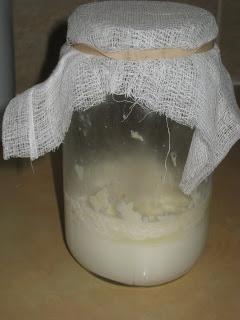
Place a 1:1 ratio of flour and water into a clean and sterilized jar and stir well. About 1/2 cup of each is a good starting point. Cover with a towel and set in an open area so it can start collecting the natural yeast.

Day 2

Transfer the starter to a clean jar/bowl and feed your starter another 1:1 ratio of flour and water in the same amount you used for day one. So if you used 1/2 cup for each, you’ll use 1/2 cup again. Stir well, cover, and set back out.

Day 3-6

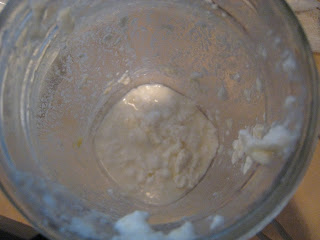
Repeat the process of day two, feeding your starter a 1:1 ratio of flour and water (in a clean jar/bowl). It will start to get bubbly and you’ll also notice it separate a bit and get a watery layer.

Day 7 

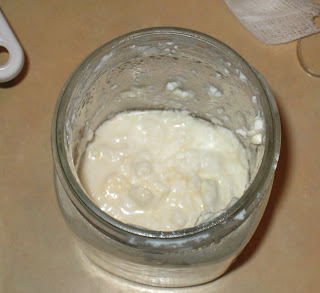
Your starter should now have gone through the bubbly stage and smell somewhat ’sour’. Transfer to a clean jar and feed it one more time.

At this point it is ready to use! You can now do one of 2 things.

1. Test out some new recipes! Just make sure you feed it again before you put it in the fridge to store.
2. Cover and store it in the fridge for use later.

How to Maintain Your Starter:

Feed your starter once a week (if not using for a recipe) or when you use it. Use the same 1:1 ratio of water and flour and store it in the refrigerator.

If you use it for a recipe, feed it the same 1:1 ratio and let it sit out again for just a couple hours before storing in the fridge.

If the starter is really watery add a little extra flour. If it is really thick add a little extra water.

Crispy Walnuts

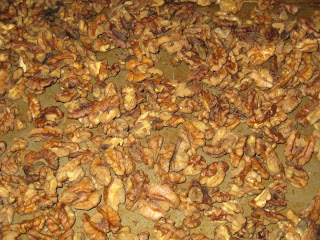
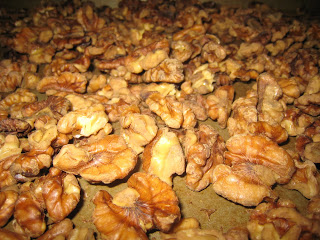
I made a batch of crispy walnuts this week. Yum!!! And so simple. It’s the exact same method I used for the crispy pecans. Just note that walnuts can go rancid faster than pecans. So they should be stored in the refrigerator or freezer.

Crispy Walnuts

4 cups (1 lb.) walnuts
2 tsp. sea salt
water

Mix walnuts with salt and water (I covered them loosely with plastic wrap.) and leave in a warm place for at least 7 hours or overnight (I soaked them for close to 24 hours.). Drain. Spread walnuts on baking pan. Place in oven on lowest setting (150 degrees) for 12 to 24 hours, stirring once in a while, until completely dry and crisp. Store in an airtight container in the refigerator or freezer.

Sprouted Beans (and grains) – Colander Method

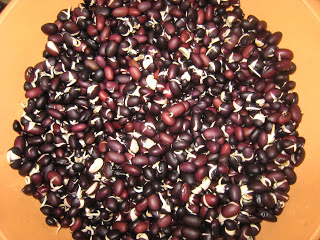
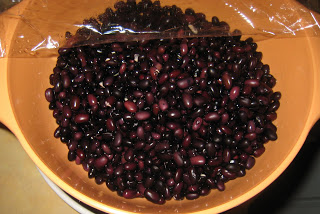
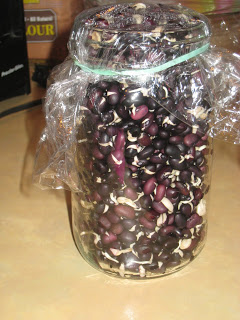
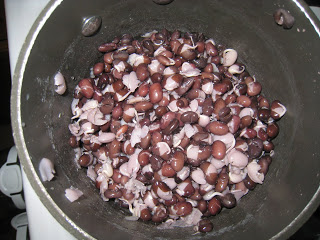
I am making a black bean soup for dinner tonight. Originally I had planned to make beans like I always do…soak and then toss them in the crockpot with the rest of the ingredients. But then I thought this might be a good opportunity to make my first attempt at sprouting. I found an easy colander method on The Nourishing Gourmet. It was so simple! And now we have a huge jar of sprouted black beans in the fridge. I was actually quite surprised how quickly they started sprouting. I cooked some of them this morning to add to our soup. They taste great (even at 4:30 am :)! And they only take about 20 min. to cook once they’re sprouted. I decided to cook them separately so that I could rinse them afterward to make sure I got any extra gas-producing stuff off 😛  I’m anxious to see if Rebecca and I tolerate them better this way. Rebecca had a few already with lunch. She gobbled them up like always. It’ll be fun to try sprouting other beans and get a stock in my fridge. And at some point to try sprouting other things, like grains. This method can be used with any legume or grain as long as it’s large enough to not go through the colaner. For smaller things I’ll need to get a sprouting jar/screen. You can use any amount of beans you like. I did a fairly big batch of black beans. Just beware that the larger the pile the longer it takes to dry.

Colander Sprouting (legumes or grains)

Equipment:
large bowl
colander
small kitchen towel (I just used a loose covering of plastic wrap)
plate

Place the legume or grain you wish to sprout in a large bowl and cover with water. Leave to soak 8-12 hours (overnight works well). Then drain in your colander, and rinse very well (the water should run clear). Drain, and then place on your plate-to catch any drips-and cover with a kitchen towel. Now all you have to do is rinse and drain every 8-12 hours (think morning and evening). When I rinse, I gently shake the colander a bit to make sure that all of the beans are getting wet.
And then it’s just a matter of waiting until you see little sprouts. For both legumes and grains, you generally aren’t wanting the sprouts to get really big, as they taste better when the sprouts are small. So when you see the sprouts starting to shoot out, rinse one more time, and leave for another 8-12 hours to drain thoroughly (they should be dry to the touch) (mine took about 2 1/2 days for the whole process…soak to dry). Then place in a mason jar or other container to keep in the fridge. And you are done!

You can cook them the same way you normally cook beans (simmering water). But they cook much faster. My black beans took about 20 min.

Soaked Granola

Last week I made a batch of soaked oats and crispy pecans. Then I used them to make homemade granola. I used my usual granola recipe. But I added coconut oil instead of another kind of fat. Maybe next time I’ll try butter too. This turned out really well. Although I did let it bake a bit longer than I would have liked since I was busy with other things. It is crunchier than the granola you make with unsoaked oats. But I like that. I’ll be making my granola like this from now on to make it easier on my tummy. I’ll repost my granola recipe here.

Mary’s Soaked Granola
*this can be gluten free if you don’t use wheat bran and if you tolerate/use GF oats

12 cups soaked and dried rolled oats
2 cups dried fruit (any mix or just raisins)
2 tsp. cinnamon

optional mix ins:
1 1/2 cups ground flax seed
1 1/2 cups wheat bran or wheat germ
1 cup chopped nuts (crispy pecans, walnuts or almondsl)
1 cup seeds (pumpkin, sesame, sunflower, etc.)
1 cup coconut (sweetened or unsweetened…whatever you prefer, I used organic unsweetened)
1/2 cup honey
1/2 cup maple syrup
1/2 cup coconut oil, melted butter or EVOO (or a combo)

Heat oven to 325. Mix all dry ingredients, except fruit and crispy nuts, in one or two large bowls (however it is easiest to stir). (Mix a small amount of safe (oats, coconut, wheat bran, coconut, rasisins), dry ingredients in a smaller bowl for a toddler to mix and eat:) Pour honey, syrup and oil over dry ingredients. Mix well. Spread granola onto baking sheets (you can do all of it on 2 sheets…they’ll be very full. Or you can do it on 4 sheets (2 batches) so that it bakes a little more evenly. You may have to cut the baking time down a bit if you do it on 4 pans). Bake 20 – 30 min., stirring 2 or 3 times throughout. Add fruit and nuts during the last 5 min. or after granola is done baking. Let cool. Store in sealed container or bag. Freezes well. I generally freeze it in gallon freezer bags then just take out a little at a time as we need it. It can even be eaten directly from the freezer. You can scale the recipe down if you don’t want to make a large batch. I make a ton and freeze it so that I don’t have to make it all the time.