Home » Archives for Mary | Just Take A Bite » Page 8

Author: Mary | Just Take A Bite

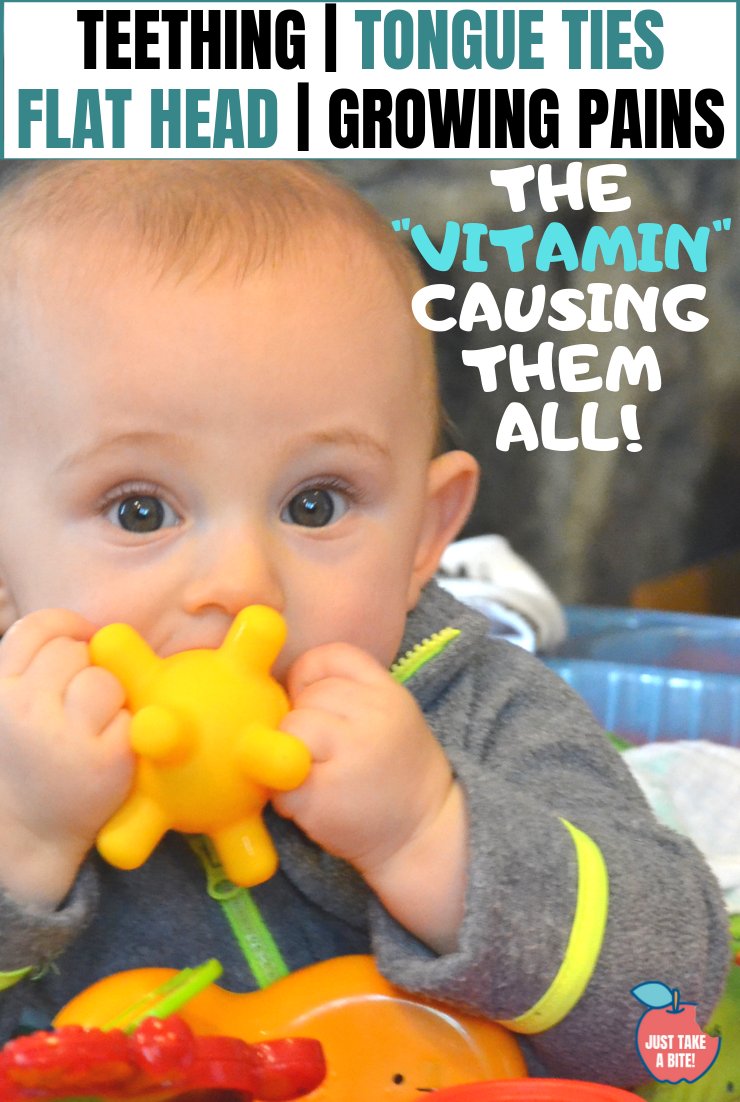
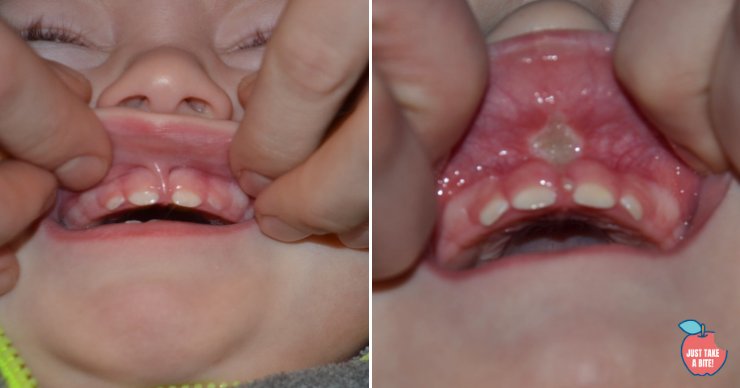
What do teething, tongue ties, flat spots and growing pains all have in common? They are all related to proper bone and tissue development...and Vitamin A Toxicity.

Teething, Tongue Ties, Flat Spots and Growing Pains: How Mineral Imbalance Impacts Bones and Tissues

What do teething, tongue ties, flat spots and growing pains all have in common? They are all related to proper bone and tissue development…and mineral imbalance.What do teething, tongue ties, flat spots and growing pains all have in common? They are all related to proper bone and tissue development...and Vitamin A Toxicity.

My kids are horrible teethers. Horrible. My oldest went on a nursing strike at nine months old because of teething. We managed to work through it. But then at eleven months old, while working on molars, she daytime weaned.

I tried and tried and tried. But nursing was just too painful.

Fast forward ten years to my youngest. He has basically been teething since birth. The non-stop drool and fist eating started around six weeks. I could see two teeth under the gums already at two months. At nine months old he already has eight teeth. And they hurt! Even in the middle of writing this post I had to stop because he woke up screaming in pain from teething.

Coincidentally my mom says I stopped breastfeeding at nine months old too. I just refused. My guess is that it was teething pain.

Thankfully I’m a bit wiser now and know some natural remedies like homeopathy (this is what we use) and essential oils. So we can get through without too much trouble. Plus I’m too stubborn to quit breastfeeding because of teeth. I wish I had known this stuff ten years ago!

But having teething remedies doesn’t change the fact that my kids have had a lot of pain from teething. And I know I’m not alone.What do teething, tongue ties, flat spots and growing pains all have in common? They are all related to proper bone and tissue development...and Vitamin A Toxicity.

Why is Teething Painful?

Let’s just get the obvious out of the way here. It hurts when your teeth are poking through your gums. That’s a given. So teething is going to be at least somewhat bothersome for all kids.

But there is more to it. Mineral imbalance may get in the way of proper tooth development.This includes the teeth as well as the rest of the mouth.

Anybody else have kids with a narrow mouth and high palate? Does it make sense that if your mouth is misshapen and your teeth are not developing properly that it would be harder for them to come in easily? Which would then make the process more painful? I’d say so!

This is also likely the cause of mouth breathing. I wrote about how I helped my oldest overcome mouth breathing.  She has had a high palate since birth, and it impacted her eating and breathing. The constant open mouth then made the narrow palate even worse.

What is a Tongue Tie?

Tongue ties, lip ties and cleft palates are all referred to as mid-line defects. Basically something went wrong in the womb with structural development form the center of the body (brain, mouth, spine, etc.).

I’m specifically addressing tongue and lip ties. All four of my kids have had them. But I didn’t know anything about them until my third was struggling with feeding. So my third and fourth have had theirs revised. My oldest also had her lip tie revised at age seven.What do teething, tongue ties, flat spots and growing pains all have in common? They are all related to proper bone and tissue development...and Vitamin A Toxicity.

A tongue tie is when the mucous membrane attaching the tongue to the bottom of the mouth is too large or connected in the wrong place. In some children it is very obvious as their tongue is completely restricted. At the other end of the spectrum is a posterior tongue tie where the membrane is only visible when the tongue is lifted and the tissue pulled back. It is harder to diagnose. All of my kids have had posterior tongue ties.

We now see more and more babies being diagnosed with tongue and lip ties. Some say it is genetic or related to the MTHFR genetic mutation. 

As I was researching tongue ties I also came across a post about one mom’s story where her tongue tied son was a thumb sucker. It was a light bulb moment for me. Both of my daughters have been thumb suckers. They both have had the hardest time with nursing. I was also a thumb sucker! Until age five. My oldest went on a nursing strike at  nine months. My third had her tongue tie revised a second time at nine months. And I self-weaned at nine months. I see a pattern here. Not a coincidence.

Last year when we started seeing our new chiropractor he immediately commented on my four year old’s thumb sucking. He told me kids don’t just do that. There is a reason behind it. At the time I wasn’t sure why. But now I get it. Nursing was HARD for them due to their ties. So their thumbs became comforting instead of me. So if you have a thumb/finger sucker you may also have a tongue-tied child.

What Causes a Flat Head?

Let’s stick with the head for a bit longer here. There is another infant development issue that has risen in recent years – flat head, or plagiocephaly. This is another case where there is improper development on one side of the body.

But in addition to an imbalance in the neck and spine we get into the bone formation of babies.

Overdoing on vitamin D can cause high tissue calcium, which robs the bones of calcium. Use caution when considering Vitmain D supplements. Vitamin D is actually a hormone.

Does “Back is Best” Cause Flat Head?

I believe it is a myth that the recent increase in flat head syndrome is caused by babies sleeping on their backs. I have four kids. Two had flat heads – my oldest and youngest.

My oldest was often in a car seat, swing, etc. I didn’t know that it wasn’t good for her. After we noticed the flat spot we tried to take measures to fix it by positioning her certain ways when she slept, nursing in different positions, etc. It did improve some over time. But not fully.What do teething, tongue ties, flat spots and growing pains all have in common? They are all related to proper bone and tissue development...and Vitamin A Toxicity.

My youngest was the total opposite. From birth he was so rarely laying with his head against anything (I’ve been overly paranoid since my experience with my oldest). We don’t have a removable car seat, so he was only in his seat for a few minutes here and there (we don’t go away often). He was never in a swing or other contraption. I held him or wore him in a carrier, even while napping. And yet he had a flat spot (and has painful teething, and a tongue tie,…).

Contrary to my oldest, however, his flat spot is now almost completely gone. I don’t think anybody besides myself would even notice the slight imbalance that is left. By releasing his tongue tie and working with a craniosacral therapist to release his body, his bones were able to shift.

What Are Growing Pains?

Let’s take a trip all the way down the body to the legs. Has your child ever woken in the night with leg pain? We just chock it up to “growing pains.”

But if you ask a doctor what growing pains are…they don’t actually know! A basic Web MD search shows that doctors think they “might” be just muscle soreness. And they “might” not be related to growth.

Growing pains are more likely due to a mineral imbalance. Read about how we use magnesium for growing pains!
What do teething, tongue ties, flat spots and growing pains all have in common? They are all related to proper bone and tissue development...and Vitamin A Toxicity.

I have experienced this first hand with my third child. Since she was very little she would wake in the night crying in pain. All she could say was that her legs hurt. She still does it now after being active. Her bones are so weak that it doesn’t take much for them to hurt. Even just gently grabbing on to her arm to pull her away from a sibling argument causes her to cry in pain.

If your child complains of leg pains, you may want to consider his diet. Need help in this department? I can help with nutritional therapy!

Have your kids struggled with difficult teething, tongue ties, flat spots or bone pain?

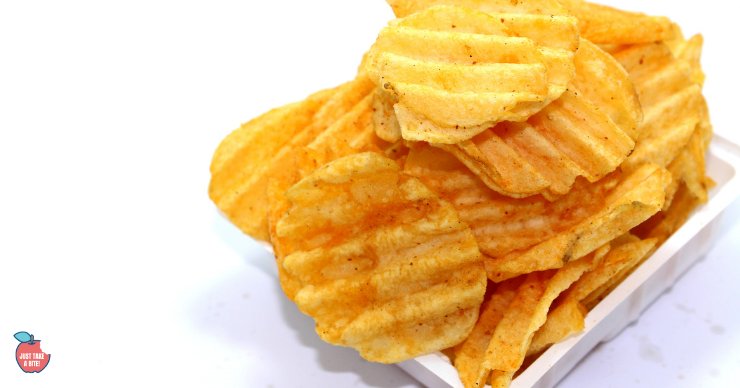
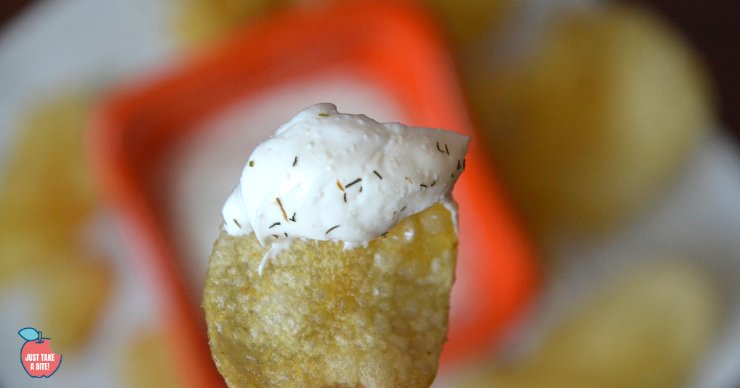
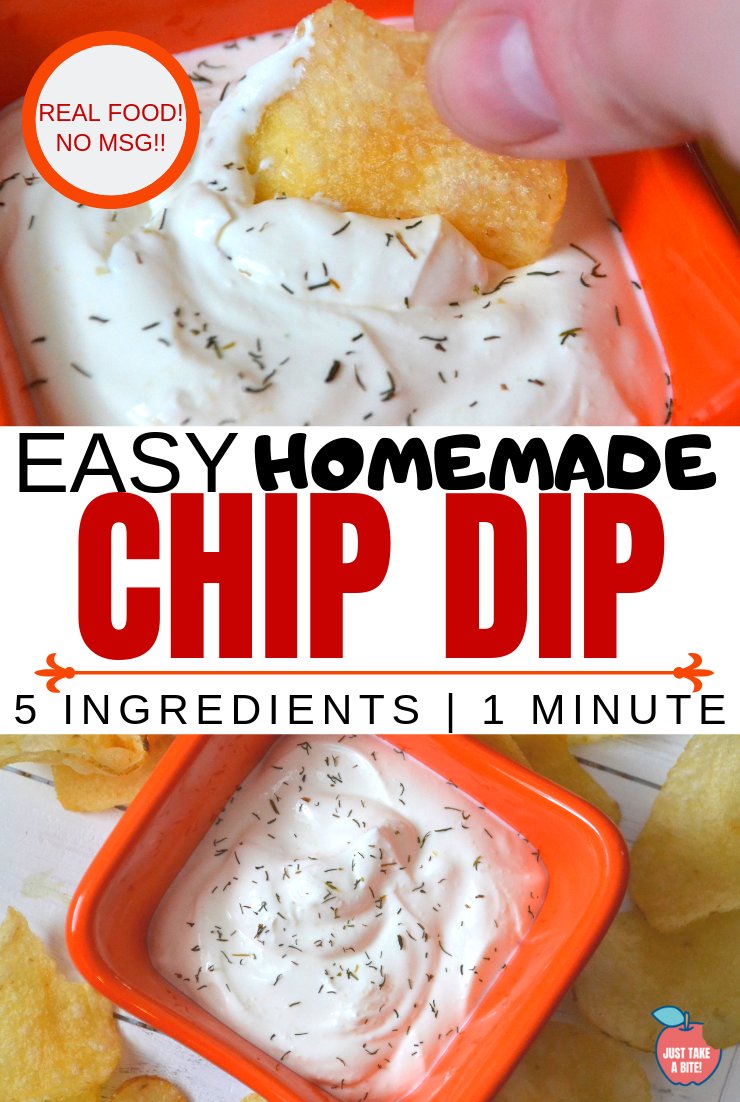
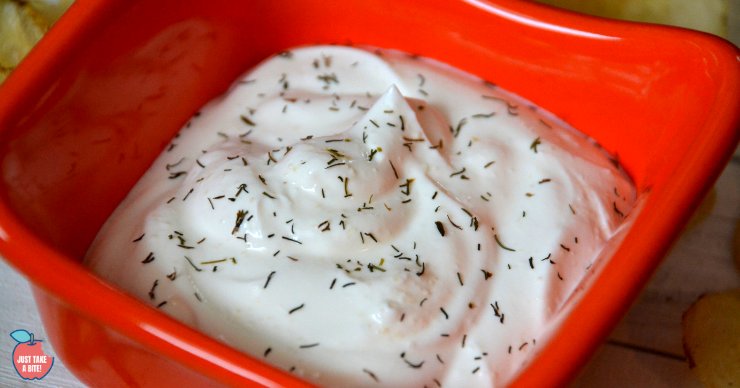
Chips and dip make a great side dish for any party or picnic. Make it real food style with this easy homemade chip dip. Just ONE ingredient plus seasoning.

Easy Homemade Chip Dip

Chips and dip make a great side dish for any party or picnic. Make it real food style with this easy homemade chip dip. Just ONE ingredient plus seasoning.Chips and dip make a great side dish for any party or picnic. Make it real food style with this easy homemade chip dip. Just ONE ingredient plus seasoning.

One of the easiest side dishes any time of year is chips with dip. I know, you may be thinking that doesn’t sound very healthy. But it can be!

Buy your favorite kind of chip (we like the potato chips made with avocado oil or olive oil) or make a batch of homemade chips. Better yet swap the chips for some homemade teff crackers or gluten-free Wheat Thin® style crackers. You still get the crunch without eating chips. Then all you have to do is take one minute to mix up a quick dip.

What is in Homemade Chip Dip?

This chip dip reminds me of my favorite childhood dip – french onion. What’s great about this homemade version is what it’s missing…namely MSG (read about the dangers of MSG here) or anything artificial. Just a few simple ingredients.

This is also not a dip full of spice. We keep it simple for the oral sensory issues in our family. But that doesn’t mean it’s low on flavor. This simple chip dip tastes great and packs a punch of flavor.Chips and dip make a great side dish for any party or picnic. Make it real food style with this easy homemade chip dip. Just ONE ingredient plus seasoning.

What Can you Dip in Chip Dip Besides Chips?

If you don’t eat chips, this dip works very well for fresh vegetables. Our favorite is cucumbers. We even enjoy it on a burger whether it’s with a bun or simply as a dip when going bun-less. That’s what my kids do most of the time since gluten-free buns are expensive. Plus it’s just easy for kids to dip!

Homemade chip dip is very versatile.

Easy Dip for Kids

Chip dip works well for packing school lunches. A tasty dip is a great way to get kids to eat fresh vegetables. Serve a combination of chips or crackers and veggies. Even if you have reluctant veggie eaters you might be surprised that they eat it all when served together.

Making chip dip is also a great activity for kids. Even the little ones. You really can’t mess it up (the recipe is very forgiving…and you can always add extra sour cream if they go a little overboard with seasoning).

My four-year-old LOVES to help in the kitchen. I like to put her on dip duty. It keeps her hands busy, and she feels so proud that she is helping.Chips and dip make a great side dish for any party or picnic. Make it real food style with this easy homemade chip dip. Just ONE ingredient plus seasoning.


All of my kids know their way around the kitchen thanks to the Kids Cook Real Food eCourse. We’ve been doing it since 2016! Check it out HERE if you’re interested in getting your kids cooking.


Is Chip Dip Dairy-Free?

This version of chip dip is made with dairy. While my kids are mostly dairy-free, they do tolerate butter and a small amount of cream. So we still use a little sour cream.

But if you can’t have any dairy you could make this with coconut sour cream or almond milk sour cream. Both sound delicious!

The next time you are in the mood for chips and dip try this simple homemade version of chip dip. It takes less than one minute to make and will be a family favorite.Chips and dip make a great side dish for any party or picnic. Make it real food style with this easy homemade chip dip. Just ONE ingredient plus seasoning.

Easy Homemade Chip Dip

A simple chip dip made with real ingredients that only takes a minute to prepare.

Prep Time 1 minute
Servings 8
Author Mary | Just Take A Bite

Ingredients

  • 2/3 cup organic sour cream
  • 1/2 tsp. salt
  • 1/2 tsp. organic garlic powder
  • 1/2 tsp. organic onion powder
  • 1 tsp. organic dried dill weed (optional - not allowed on VAD Diet)

Instructions

  1. Combine all of the ingredients in a glass jar.

  2. Mix until well combined. Adjust seasoning to taste.

  3. Serve with chips, crackers or vegetables.

  4. Store, covered, in the refrigerator for up to 2 weeks.

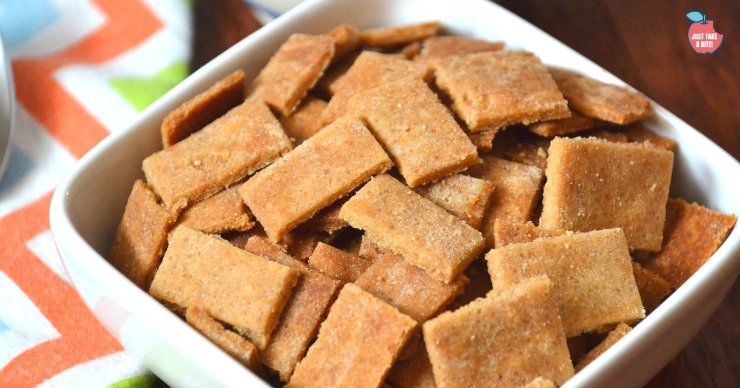
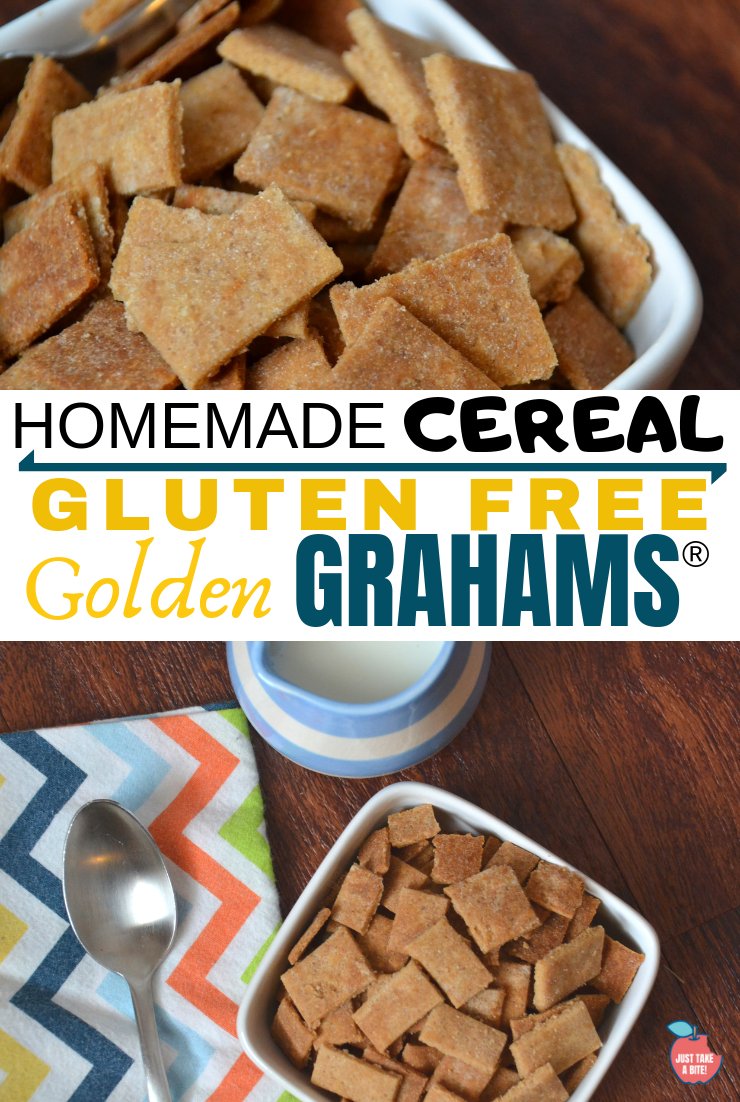
No need to forgo your favorite cereal to eat healthier. Gluten free Golden Grahams® is easy to make, allergy friendly and contains quality ingredients.

Gluten-Free Golden Grahams® Cereal {egg free, nut free, dairy free option}

No need to forgo your favorite cereal to eat healthier. Gluten-free Golden Grahams® is easy to make, allergy-friendly and contains quality ingredients.No need to forgo your favorite cereal to eat healthier. Gluten free Golden Grahams® is easy to make, allergy friendly and contains quality ingredients.

Whether it’s hot outside and you want a cold breakfast or you are just too busy to cook, it’s very convenient to have cereal on hand.

For those mornings where the kids are up early and need to make their own breakfast. Or when Mom has been up all night with the baby and needs some quick energy. And you don’t happen to have leftover muffin bread pudding on hand. Gluten-free Golden Grahams® really come in handy. Not to mention they taste great!

Why Cereal is Unhealthy

Even though I was a cereal junky for many, many years (HAD to have it every morning), I stopped buying it regularly when we switched to real food. It really is not healthy, even organic.
 
Cereal typically gives you lots of processed sugar, synthetic vitamins/fortification (like Vitamin A!), artificial or “natural” flavors and artificial colors, GMO’s and glyphosate. Not to mention they are made with an extrusion process that makes the grains toxic.No need to forgo your favorite cereal to eat healthier. Gluten free Golden Grahams® is easy to make, allergy friendly and contains quality ingredients.
 
We do still like cereal. And I’ll be honest – we do have some organic gluten-free cereal in the cupboard for a once-in-a-while snack. But my preferred choice if we are craving cereal is homemade. Over the years I’ve made:
 

Did I mention I used to be a cereal addict? I had to make lots of homemade varieties while I transitioned away from processed food. They were delicious experiments.
No need to forgo your favorite cereal to eat healthier. Gluten free Golden Grahams® is easy to make, allergy friendly and contains quality ingredients.

Allergy-Friendly Homemade Cereal

Once we started down the road of food allergies (like going gluten-free) I decided to make my own allergy-friendly versions of our favorite foods. Yes, even cereal!

My kids love them.

Are Golden Grahams® Gluten-Free?

The processed, store-bought version of Golden Grahams® are NOT gluten-free. But this simple homemade version is!

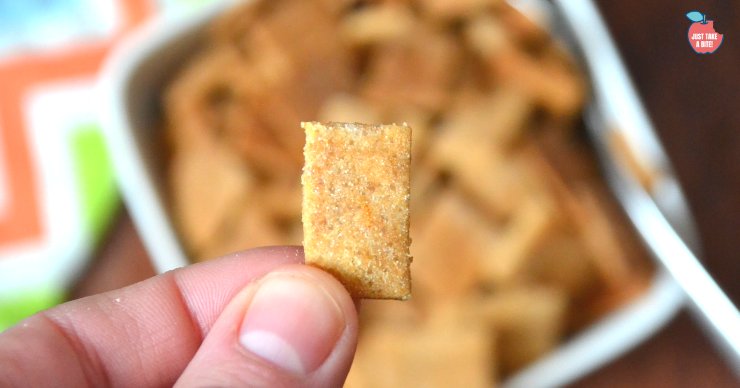
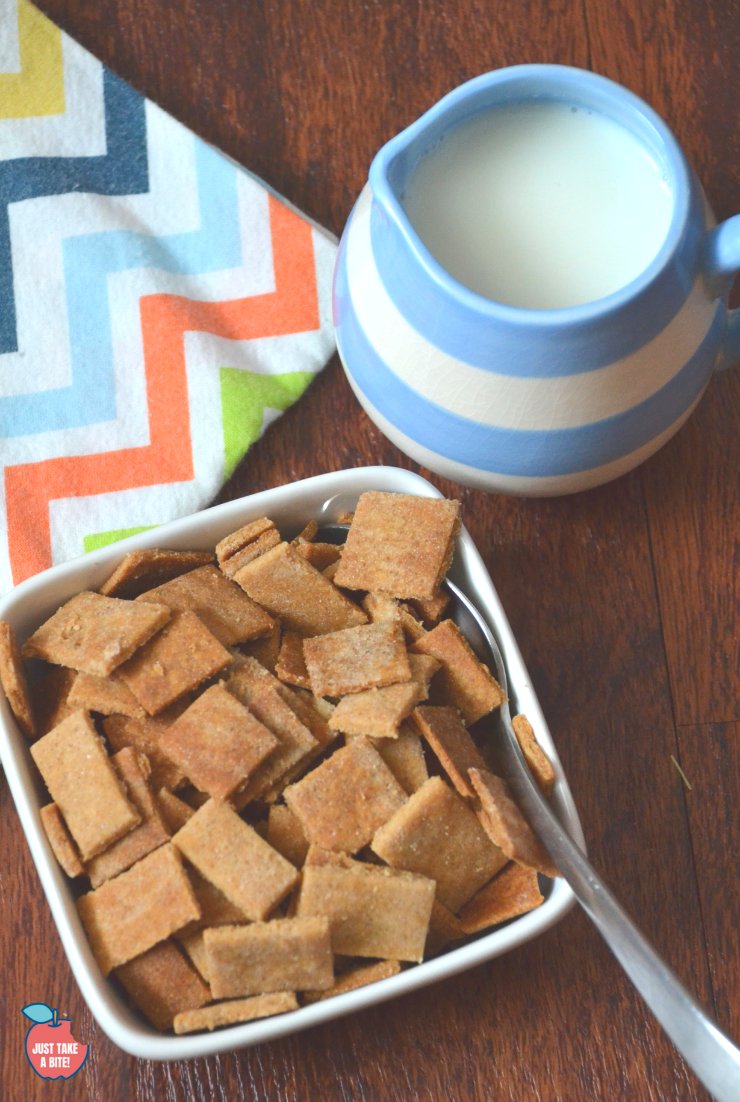
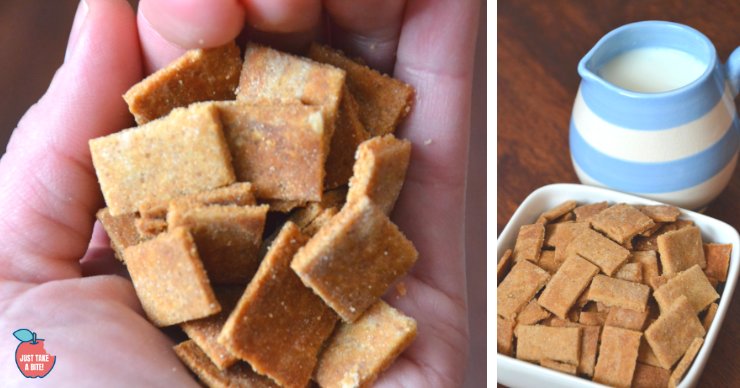
Gluten-free Golden Grahams® are crunchy and sweet. They make a perfect breakfast treat or a fun snack any time of day. My kids love them plain or even mixed into yogurt.
 
Fair warning – they are addictive. And it’s easy to eat a lot since they are so small. Just keep popping a few in your mouth here and there and you’ve eaten quite a few before you know it. No idea how I know that…No need to forgo your favorite cereal to eat healthier. Gluten free Golden Grahams® is easy to make, allergy friendly and contains quality ingredients.

Easy Gluten-Free Snack

Gluten-free Golden Grahams® make a great finger food for on the go. It’s tough to figure out what real food to stash in the diaper bag sometimes. Homemade cereal works very well.

We also love to have a bowl with homemade rice milk for an afternoon snack. It satisfies both your sweet and crunchy cravings – without the extruded grains!

Do you still enjoy cereal? Do you need a healthier, allergen-free version?

Try these homemade Golden Grahams®. You won’t be disappointed.No need to forgo your favorite cereal to eat healthier. Gluten free Golden Grahams® is easy to make, allergy friendly and contains quality ingredients.

Gluten-Free Golden Grahams®

Prep Time 10 minutes
Cook Time 20 minutes
Total Time 30 minutes

Ingredients

  • 1 1/4 cups white rice flour
  • 1/2 cup amaranth flour
  • 1/4 cup teff flour can be replaced with white rice or amaranth
  • 1/2 cup organic cane sugar or sucanat or coconut sugar
  • 1/2 tsp. sea salt
  • 1/2 tsp. vanilla
  • 4 Tbsp. honey
  • 2 Tbsp. maple syrup
  • 1/2 cup butter or coconut oil

Instructions

  1. Heat oven to 350 degrees F. Cut 4 pieces of parchment paper the size of a baking sheet.
  2. Melt the butter/oil. Set aside.
  3. Mix the flours, sugar and salt in a large bowl.

  4. Add the vanilla, sweetener and the butter and mix until well combined. The dough should hold together when squeezed. If it is crumbly add more honey or butter.

  5. Split the dough into 3 equal parts. Lay one piece of parchment paper on a table. Put 1/3 of dough on the paper. Lay a 2nd piece of parchment on top of dough. Squish the dough down a little with your hand. Use a rolling pin to roll the dough between the parchment paper. Roll the dough until it is very thin (1/16th" or so). Remove the top piece of parchment paper.
  6. Cut into small squares with a pizza cutter or knife. Place on a baking sheet (on the parchment paper...just move the whole thing onto the baking sheet). Repeat for rest of dough.

  7. Bake for 8-10 minutes. Turn the oven off, but leave the cereal in to get crisp. Remove after 5 min.

  8. Let cool completely. Store in airtight container for up to 2 weeks or in the freezer for up to a year.

Recipe Notes

Makes about 2 quarts.

Any 2 cup combination of gluten free flour will work - this combination gives a very neutral flavor.

This post is shared on Allergen Free Wednesday.

This easy allergen free bread is great for sandwiches or toast. Let the kids help make it!

Easy Allergen-Free Bread

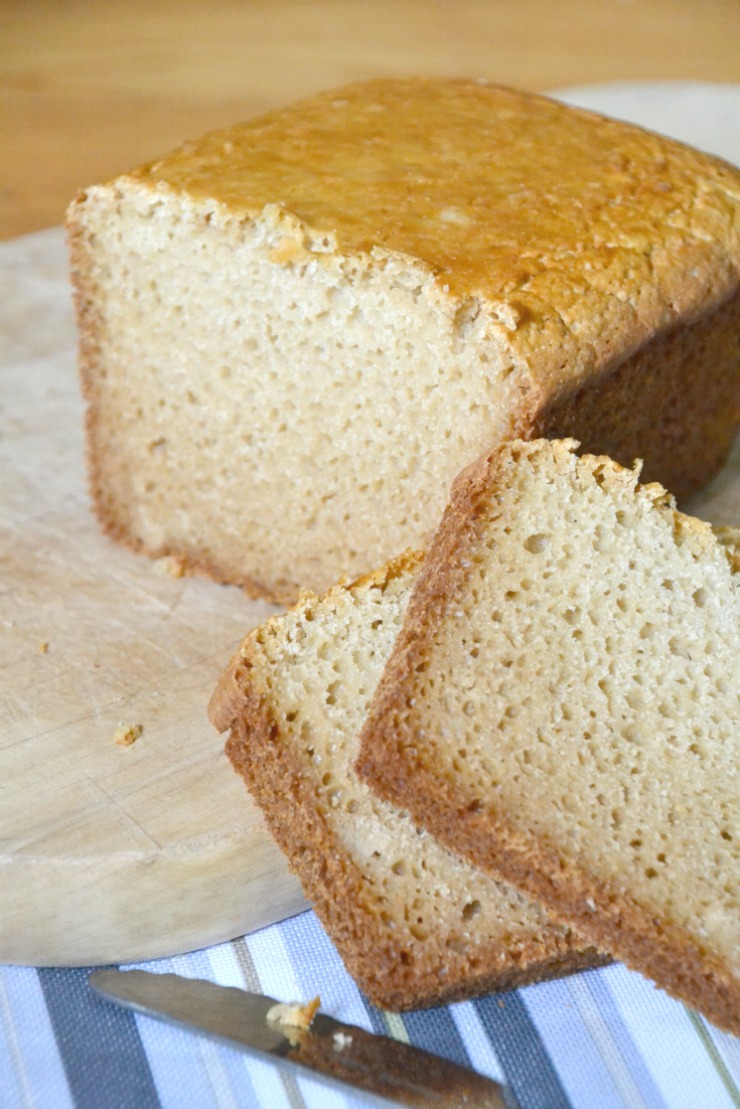
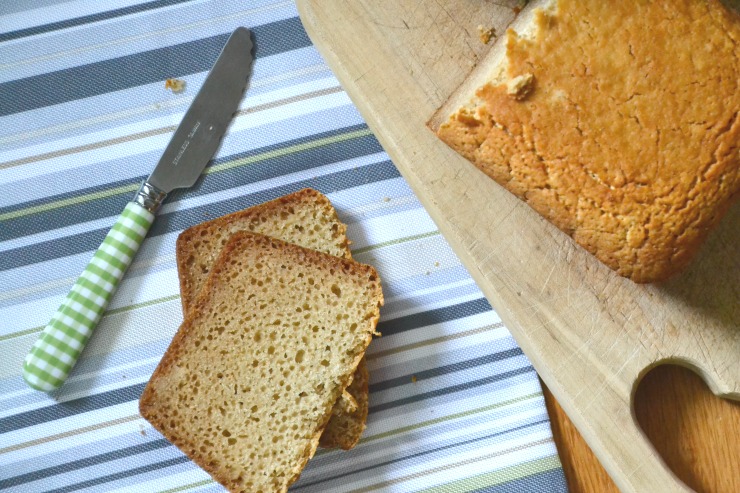
Looking for a great gluten-free bread that holds together without allergens or gums? This allergen-free bread is easy to make and tastes great!This easy allergen free bread is great for sandwiches or toast. Let the kids help make it!

A couple years ago I spent at least six months trying to come up with a decent gluten free bread. I probably made at least fifty experimental loaves.

What did I come up with?

My “not-quite-perfect” gluten free bread. It tastes good. But it’s not quite as sturdy as I’d like. And it seems to turn out differently every time I make it!

Easy Allergen-Free Bread

Then when two of my kids added a bunch of new allergies I just stopped making bread. I really didn’t know how to bake anything safe for them. Back to experimenting.

This easy allergen free bread is great for sandwiches or toast. Let the kids help make it!

Eventually I got the hang of making decent muffins (my poor husband with texture issues had to suffer through some over-moist and dry, crumbly experiments).

Can You Bake Gluten-Free Bread Without Xanthan Gum?

One day I decided to try making a loaf of bread. Just to see what would happen.

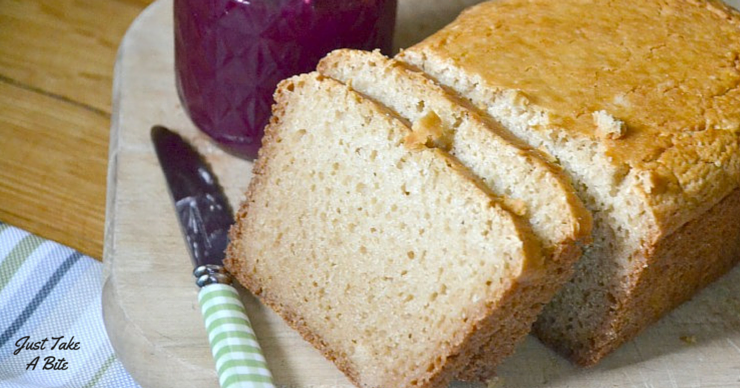
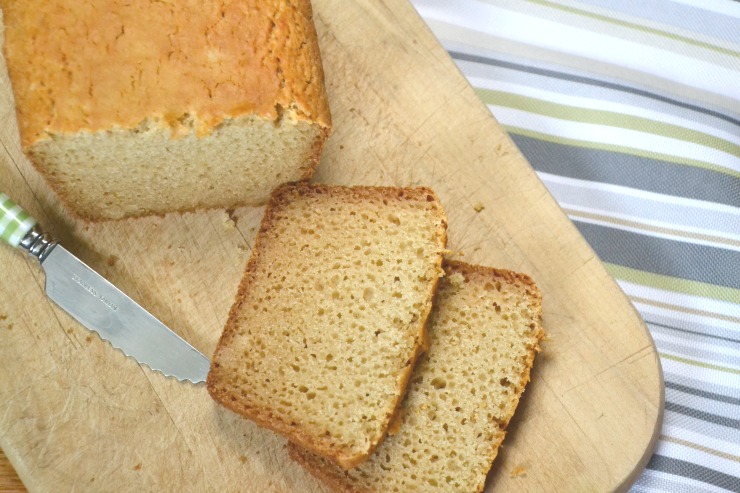
Imagine my surprise when it turned out great! Actually way better than the gluten-free bread I had tried to create for so long.

Who knew you could cut out the eggs, dairy and binders and get something better?!

My allergen-free bread has no gluten, eggs, dairy, nuts, coconut, rice, corn, seeds or soy. And as with all of my baking it has no gums. As an added bonus, it is soaked so it’s gentler on the tummy.This easy allergen free bread is great for sandwiches or toast. Let the kids help make it!

Kid-approved Gluten-Free Bread

Want to know what my kids think about this allergen-free bread?

First kid: “This is AWESOME!”

Second kid: “This is only for me! Nobody else can have it.”

What Can You Make with Allergen-Free Bread?

Life sure is easier when you have bread. My son can enjoy sloppy joes, sandwiches with homemade lunch meat or toast with sunbutter (we love this brand because it is made in a peanut and tree nut facility). We even use it to make mini pizzas with our nutrient dense pizza sauce (no cheese necessary)!

Sometimes we use leftover pancakes or tortillas as “bread.” But this allergen free bread is definitely our first choice. I try to keep some in the freezer at all times for quick snacks, breakfasts and lunches. I even pre-slice it so I can just grab one slice at a time.

This easy allergen free bread is great for sandwiches or toast. Let the kids help make it!

Just a few simple ingredients, mixed by hand gives you a delicious and versatile bread. Soak the flour the day before (or skip that step if you didn’t plan ahead). Then it takes about five minutes to get the bread into the oven.

Just because you have allergies doesn’t mean you have to miss out on freshly baked bread. It also doesn’t mean  you have to resort to strange ingredients and binders (that actually often contain allergens!), like most store-bought versions have.

Looking for Homemade Allergen-Free Bread?

Give this allergen free bread a try. Your kids will be begging for more.

Better yet, get your kids in the kitchen to help make it! They can practice, measuring, pouring and mixing. This will definitely be on our list of things to bake as we go through the Kids Cook Real Food eCourse. Click here to learn more about it!

This easy allergen free bread is great for sandwiches or toast. Let the kids help make it!

5 from 1 vote
Print

Easy Allergen Free Bread

Prep Time 10 minutes
Cook Time 55 minutes
Total Time 1 hour 5 minutes
Author Mary | Just Take A Bite

Ingredients

  • 1 1/2 cups organic sorghum flour
  • 1/2 cup organic tapioca or white rice flour
  • 1/4 cup psyllium husk
  • 2/3 cup warm water
  • 1 Tbsp. lemon juice
  • 1 tsp. baking soda
  • 1 tsp. cream of tartar
  • 1/2 tsp. salt
  • 3 Tbsp. honey
  • 5 Tbsp. olive oil or avocado oil
  • 3 tsp. grassfed gelatin
  • 1/4 cup cold water
  • 3/4 cup hot water

Instructions

  1. Combine the flour, psyllium husk, warm water and lemon juice. Mix to remove any lumps. Cover and let sit 7 - 24 hours.

  2. Heat the oven to 350*F. Grease or line with parchment paper one medium bread pan.

  3. Combine the gelatin and cold water. Set aside.

  4. Add the baking soda, cream of tartar, salt, honey and oil to the flour mixture. Stir well.

  5. Add the hot water to the gelatin water and mix until dissolved.

  6. Add the gelatin water to the flour mixture. Blend well with a hand mixer to remove any lumps.

  7. Pour the dough in the prepared pans.

  8. Bake for 55 - 60 minutes, until golden.

  9. Allow to cool for 30 minutes before removing from the pan.

  10. Allow to cool for at least an additional 60 minutes before slicing.

  11. Store in a sealed container at room temperature for up to 5 days, in the fridge for up to a week or in the freezer for up to a year.

Recipe Notes

You can slice the bread before freezing.
You can replace any of the water with yogurt, whole milk, coconut yogurt, coconut milk, almond milk or rice milk for a moister bread.

Easy and Delicious Homemade Rice Milk

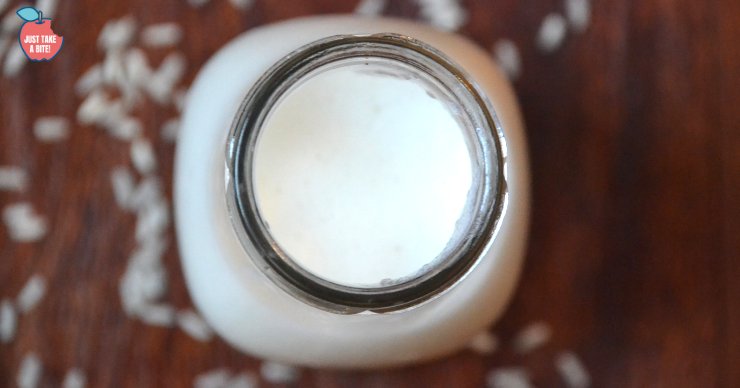
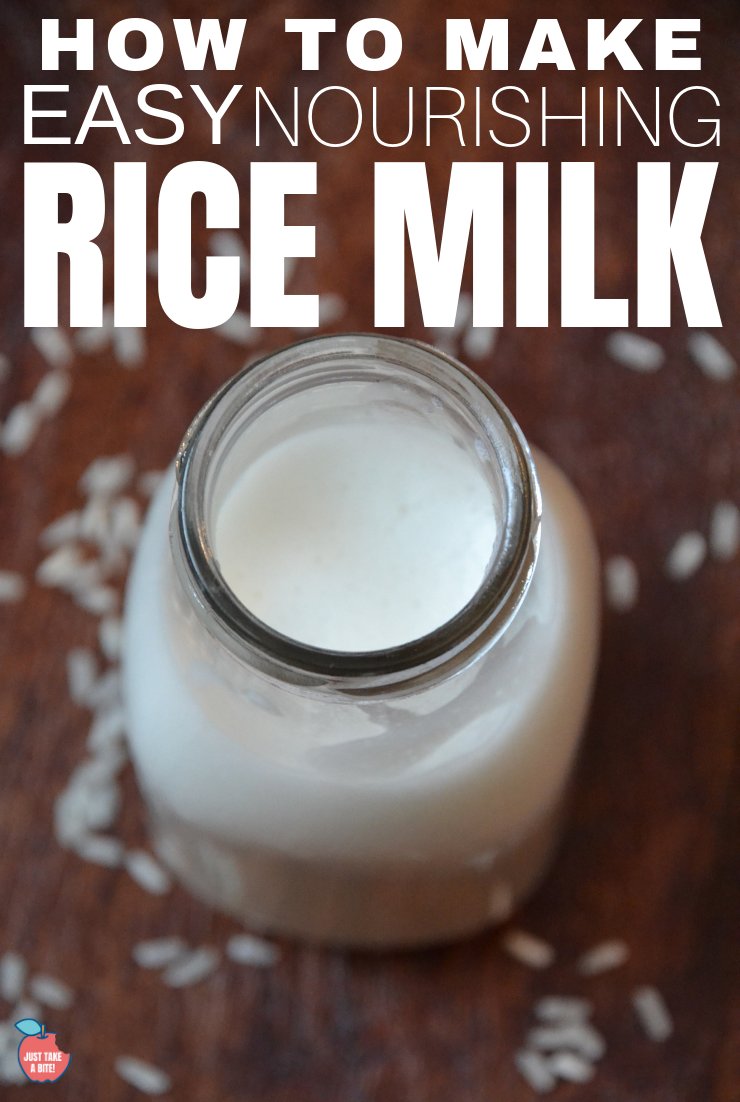
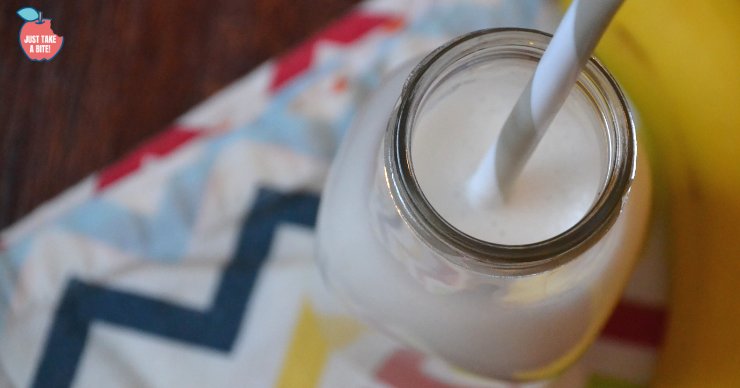
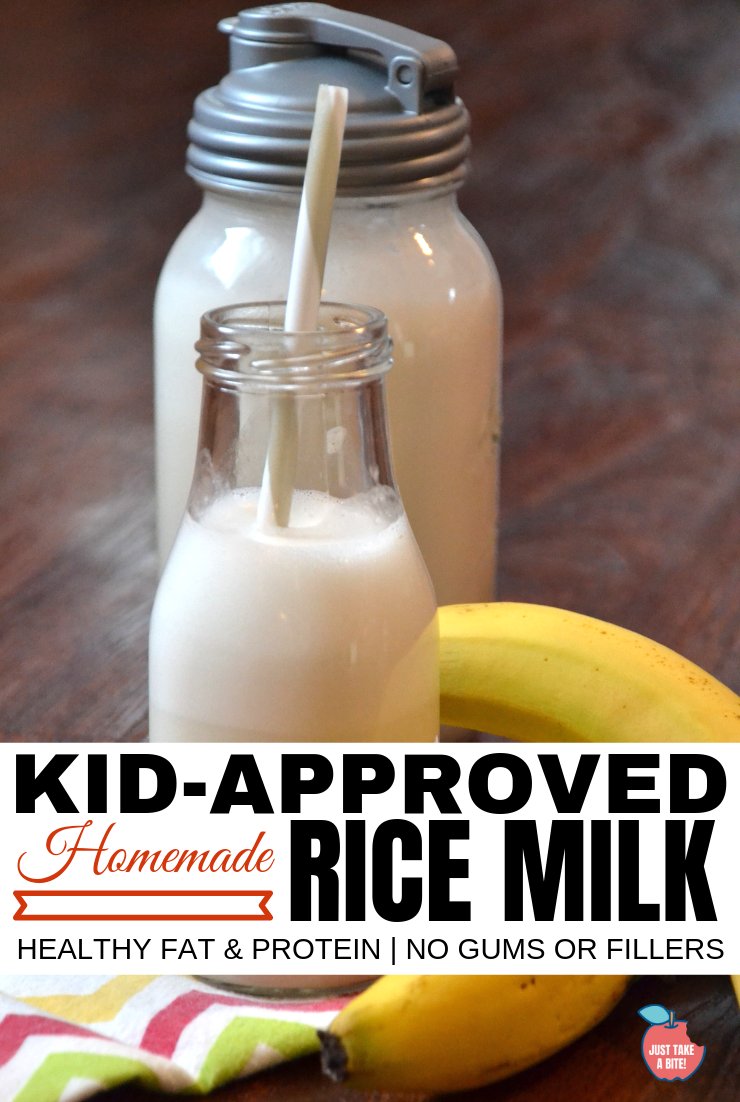
Are you looking for a milk alternative that is budget-friendly, easy to make, doesn’t contain gums, fillers or allergens and actually tastes good? This homemade rice milk is the perfect solution!Are you looking for a milk alternative that is budget-friendly, easy to make, doesn't contain gums, fillers or allergens and actually tastes good? This homemade rice milk is the perfect solution!

I have a love-hate relationship with milk alternatives.

I love that they are readily available since so many people have problems with dairy.

But I hate how expensive they are and all of the unhealthy ingredients added. Especially the Vitamin A and D supplements!! You can read about why I think that is such a BAD idea here.

Why You Should Make Your Own Milk Alternative

To avoid the cost and undesirable ingredients you really have to make your own milk alternative.

There are some really good ones. I love this coconut milk. But when you are working around a lot of allergies, many of the easiest and most delicious milk alternatives are out. We’ve had both almond and coconut allergies. Plus coconut milk is not allowed on the VAD Diet. So those aren’t options.

When you eliminate nuts and coconut, you move to grains. My son has been drinking rice milk for a few years now. We tried a few different milks. But he would only drink rice milk. It’s my favorite too.Are you looking for a milk alternative that is budget-friendly, easy to make, doesn't contain gums, fillers or allergens and actually tastes good? This homemade rice milk is the perfect solution!

So we bought rice milk.

He drinks water most of the time. So it’s not a daily staple. But it’s still often enough that I was starting to investigate the ingredients and worry about it impacting his health.

We’ve used Organic Enriched Rice Dream for quite a while. Until I learned that it had Vitamin A and D added. We switched to the original variety to eliminate the vitamins, but there are still vegetable oils and gums. And Rice Dream it is made with fluoridated water! Yikes. (Learn more about the trouble with fluoride here and here.) Double strike.

The final straw was learning that most brown rice is high in arsenic. Three strikes. You’re out!Are you looking for a milk alternative that is budget-friendly, easy to make, doesn't contain gums, fillers or allergens and actually tastes good? This homemade rice milk is the perfect solution!

How to Make Homemade Rice Milk

I’m not one to shy away from making food from scratch. I make everything from graham crackers to cereal to ice cream to pretzels.

So I started by searching for homemade rice milk recipes.

They were all pretty much the same. Cook rice. Blend it with water. Drink.

I tried it. Yuck! It tasted just like you’d imagine. Thick rice-flavored water. And nothing like the rice milk my son was used to drinking. He wouldn’t touch it.

There had to be a better way.

There is a better way. I did my own experimenting and came up with an easy and delicious homemade rice milk that my kids (and I!!) will actually drink. Honestly, I think it tastes better than the store-bought version. Even my 8 month old enjoys it.

Rice Milk with Nutrition

In addition to the great taste, my homemade rice milk includes healthy protein and fat. But no gums or fillers.

The protein comes from grassfed collagen. I choose Perfect Supplements brand collagen. It comes from well-raised cows.

Perfect Supplements offers a whole assortment of dietary supplements. One of my other favorites is MCT oil. Which you can also use in this homemade rice milk if you don’t have a coconut allergy.


Take advantage of Perfect Supplement’s year-round discount of 25% off when you purchase three of any product. Or if you really want to stock up and save you can get 30% off six or more of a product. You could split an order with a friend.

Then to sweeten the deal even more you can take an extra 10% off with the code TAKE10.

Now that I’m making homemade rice milk weekly I am using a lot of collagen. I also add it to my oatmeal for extra protein. I need to take advantage of the bulk discount and stock up!! My MCT oil that I add to my oatmeal every day is almost gone too.


Are you looking for a milk alternative that is budget-friendly, easy to make, doesn't contain gums, fillers or allergens and actually tastes good? This homemade rice milk is the perfect solution!Rice Milk That Actually Tastes Good

This homemade rice milk is so easy to make. It takes about ten minutes from start to finish.

You can choose your preferred sweetener and adjust it to your liking. Dates and maple syrup are very natural options. But they also change the color. Organic cane sugar is a very neutral flavor and keeps the milk white. This may be important for a child switching over from dairy milk. Looks can be everything. My kids actually really like the flavor of the dates.

My rice milk is also VAD Diet approved! It has been a huge blessing for me to have safe milk to drink again! And I can feel good about giving it to my kids or using it in our cooking and baking. I love to use it on my kettle corn granola or on a big bowl of steel cut oatmeal.

If you are looking for a milk alternative that is easy on your budget, doesn’t take long to make, is free of common allergens and tastes great this is it! Homemade rice milk that actually tastes good.

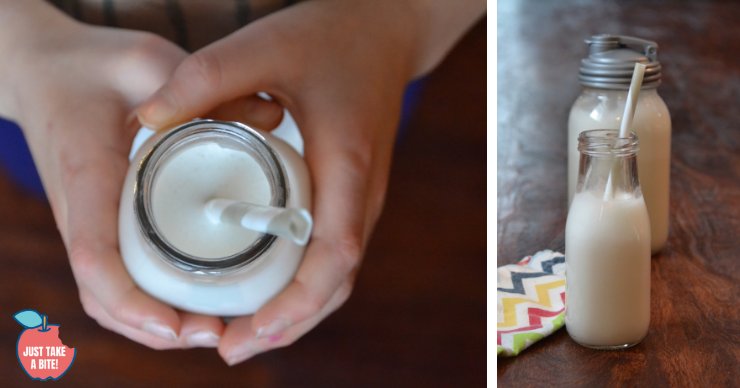
I make a half gallon at a time. But you could make more or less depending on how much you use milk. I store it in quart mason jars with these really cool reCAP lids for easy pouring.Are you looking for a milk alternative that is budget-friendly, easy to make, doesn't contain gums, fillers or allergens and actually tastes good? This homemade rice milk is the perfect solution!

Have you ever tried making rice milk? What is your favorite milk alternative?

5 from 2 votes
Print

Homemade Rice Milk

A simple and delicious milk alternative that is free of allergens and fillers.

Prep Time 3 minutes
Cook Time 10 minutes
Total Time 13 minutes

Ingredients

  • 4 Tbsp. organic/non-gmo white rice flour
  • 4 Tbsp. grassfed collagen
  • 4 Tbsp. avocado oil or MCT oil
  • 3 cups filtered water
  • 1/4 tsp. salt
  • 4 pitted organic dates OR 2-4 Tbsp. maple syrup or organic cane sugar
  • 2-3 cups filtered water

Instructions

  1. In a medium saucepan combine the rice flour, collagen, oil, 3 cups water, salt and sweetener.

  2. Whisk well to combine.

  3. Cook over medium-high heat, whisking frequently, until the mixture is hot and the flour starts to thicken, about 8 minutes. You will see steam rising. Keep cooking with it steaming for about 2 minutes.

  4. Pour the mixture into a high-powered blender. Add 2-3 cups water and blend on high for 1-2 minutes, until smooth/all of the dates have been blended.

  5. Pour into a glass jar, cover and refrigerate for up to one week.

  6. Shake gently before serving.

Recipe Notes

You can adjust the water to make it as thin or thick as you like.

You can adjust the sweetener to your taste.

You can increase the collagen and oil if you want more protein and fat.

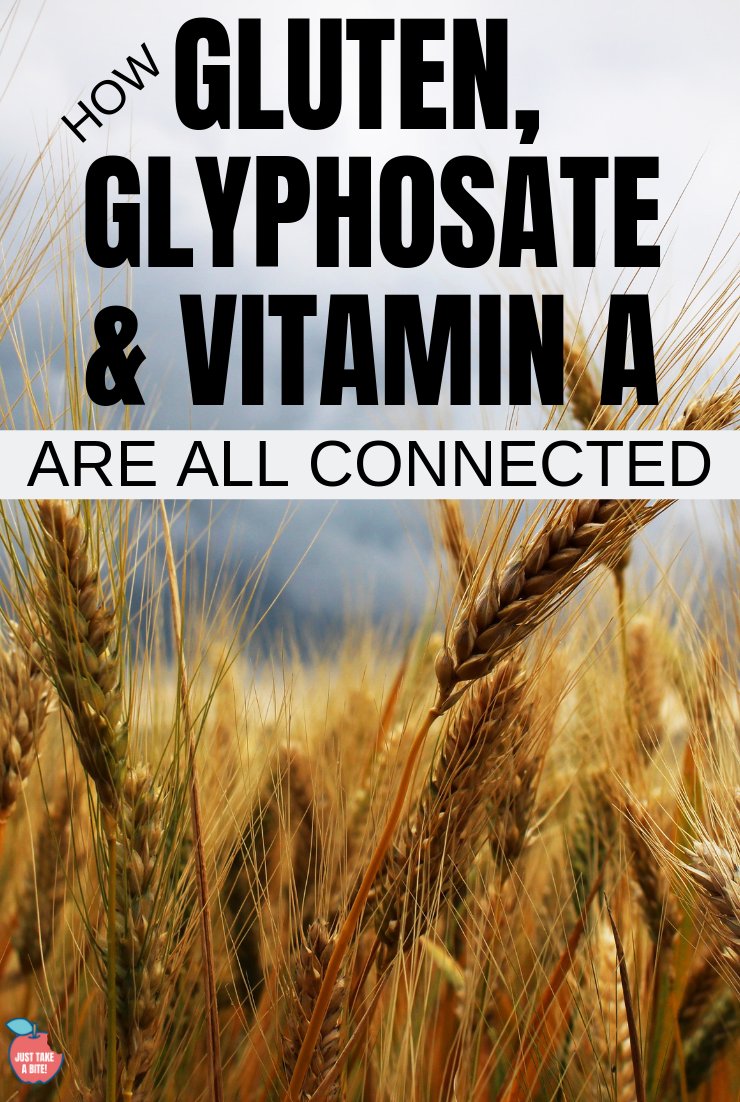
Is Gluten Really the Problem? How Glyphosate Impacts Vitamin A Toxicity

VAD Diet update

I have good news for my gluten free readers…you probably are not actually gluten intolerant! Even if you have celiac disease there is hope. Is gluten really the problem? Nope! Glyphosate impacts Vitamin A Toxicity significantly, causing the gluten-related problems.

I have good news for my gluten free readers...you probably are not actually gluten intolerant! Even if you have Celiac Disease there is hope. Is gluten really the problem? Nope! Glyphosate impacts Vitamin A Toxicity significantly, causing the gluten-related problems.

NOTE: I no longer support the Vitamin A as poison theory. All information in this article is purely to help you understand what it is based on. It is possible to get too much Vitamin A by overdosing supplements or liver. But that doesn’t happen often and can be quickly remedied if it does. Vitamin A from animal sources is an essential part of the diet. Beta Carotene can cause carotenemia (as my son had) but will not overload the body with Vitamin A. I encourage you to research and make your own decisions. You can read our update/why we turned and ran from the Vitamin A Detox Diet HERE.

What if I told you gluten was not a problem…for anyone? Would you think I’m crazy? Probably.

Gluten is somewhat of an evil word these days. It gets blamed for just about every health problem and disease.

There are lots of scientific studies that link gluten to specific conditions and to the health of the gut. Some say that all grains are evil and that it’s more than just the gluten.

I don’t believe them.

I know. A bold statement. Remember, it’s coming from someone that has been on a gluten free diet for six years. All of my kids are gluten free as well. I even wrote a whole post about why we are eating gluten-free. So I’ve been on the gluten free bandwagon for a long time. And I’m not jumping off just yet.

But that could change. I’m hoping to get back to making traditional sourdough bread (with gluten-containing grains) soon. For my whole family.

Turns out the scientists could be looking at the wrong details.

Whether mistakenly or on purpose I’m not sure.

When they study the impact of gluten on the gut and autoimmune disease they see a correlation. And for good reason. But it’s not the gluten itself.

So what is the problem?

Glyphosate. And Vitamin A.

What is Glyphosate?

According to the EPA: “Glyphosate is a widely used herbicide that controls broadleaf weeds and grasses.”

It has been used as a pesticide since the 1970’s in products such as Roundup®. It is sprayed on many crops such as fruits, vegetables and almost all non-organic grains.

Although the EPA claims that it “has a low toxicity for humans,” recent events have proven otherwise. In August, 2018 a school groundskeeper was awarded $289 million in a court case against Monsanto (the maker of Roundup®) because the herbicide caused him terminal cancer. [source]

He’s not the only one. There are actually thousands of people suing Monsanto, claiming the herbicide gave them cancer.

In March of 2015 the WHO declared glyphosate as “probably carcinogenic to humans.” [source] The EWG agreed with this claim.

Glyphosate is classified as likely carcinogenic (and many would argue that it most certainly is). And yet it is sprayed on a large portion of the world’s food supply. Anybody else see a problem with that?I have good news for my gluten free readers...you probably are not actually gluten intolerant! Even if you have Celiac Disease there is hope. Is gluten really the problem? Nope! Glyphosate impacts Vitamin A Toxicity significantly, causing the gluten-related problems.

How Glyphosate and Gluten are Related

A lot of commercially grown wheat is currently sprayed with glyphosate just before harvest. The glyphosate does not help in growing the wheat. It simply speeds the drying process before harvest, desiccation. A toxin is sprayed on your food to get it to the supermarket a few days sooner. Sounds like a good idea, right?

Glyphosate is also widely used on oats. Although oats are gluten free, many people with some type of gluten intolerance have trouble with oats. Many have speculated cross-contamination from wheat since they are often grown in nearby fields. But it could actually be the glyphosate.

I want to briefly add in here that the use of glyphosate generally implies a food is genetically modified (learn more about GMOs here). The modification is made so the plant can tolerate the glyphosate. So the two go hand-in-hand. They are NOT the same thing. But they often go together. I am not a supporter of genetically modified crops either. I don’t think God intended for us to mix DNA between plants and even between species.

Glyphosate and Celiac

Here is an entire interview with Dr. Stephanie Seneff about the relationship between glyphosate and celiac disease. And here is some great information from the interview:

The use of glyphosate on wheat crops has risen in tandem with the rise in Celiac disease. In fact, it correlates to a greater degree than glyphosate usage on corn and soy. According to Dr. Seneff, desiccating non-organic wheat crops with glyphosate just before harvest came in vogue about 15 years ago. Interestingly enough, when you expose wheat to a toxic chemical like glyphosate, it actually releases more seeds. “It ‘goes to seed’ as it dies,” Dr. Seneff explains. “At its last gasp, it releases the seed.”This results in slightly greater yield, and the glyphosate also kills rye grass, a major weed problem for wheat growers that is resistant to many other herbicides. What they’re not taking into consideration is the fact that rye grass helps rebalance the soil, and from that perspective is a beneficial plant.So, most of the non-organic wheat supply is now contaminated with glyphosate. A large percentage of processed foods are made from wheat, and this helps explain the explosion of Celiac Disease and other gut dysfunction.What happens is that the villi in your gut get destroyed by the glyphosate, which reduces your ability to absorb vitamins and minerals. Also, wheat contains gliadin, which is difficult to break down. Normally, a reaction takes place that builds connections between different proteins in the wheat.But glyphosate gets right in the middle of that process too, resulting in wheat that is highly indigestible. Dr. Seneff and her co-researcher Dr. Anthony Samsel believe the glyphosate may attach to the gliadin as a consequence of a chemical reaction. The end result is that your body develops an immune reaction.

According to this study, “Fish exposed to glyphosate develop digestive problems that are reminiscent of celiac disease. Celiac disease is associated with imbalances in gut bacteria that can be fully explained by the known effects of glyphosate on gut bacteria. Characteristics of celiac disease point to impairment in many cytochrome P450 enzymes, which are involved with detoxifying environmental toxins, activating vitamin D3, catabolizing vitamin A, and maintaining bile acid production and sulfate supplies to the gut. Glyphosate is known to inhibit cytochrome P450 enzymes. Deficiencies in iron, cobalt, molybdenum, copper and other rare metals associated with celiac disease can be attributed to glyphosate’s strong ability to chelate these elements. Deficiencies in tryptophan, tyrosine, methionine and selenomethionine associated with celiac disease match glyphosate’s known depletion of these amino acids.”

How Glyphosate Impacts Vitamin A Toxicity

So what does this have to do with hypervitaminosis A? I want you to really listen here. Because this is one of the biggest factors in your health problems and your ability to detox Vitamin A.

Glyphosate slows/stops the natural breakdown of Poison/”Vitamin A.

Let’s put the puzzle pieces together here. Glyphosate is on wheat. Glyphosate stops your body from detoxing Vitamin A. Eating wheat causes worse Vitamin A toxicity and then prevents your body from getting rid of Vitamin A.

So eating wheat is actually giving you symptoms of Vitamin A Toxicity. What appears to be a reaction to gluten is actually poisoning from Vitamin A.

The fun doesn’t stop there. “Glyphosate chelates…minerals. It forms a cage around them, such that the bacteria can’t get at them even, so the gut bacteria become deficient, and then they die because they can’t get these critical nutrients. Because glyphosate is caged.” [source]

Glyphosate also impacts methylation. This topic has been popular in the natural health world in the last few years. Knowing if you are an over or under methylator can tell you a lot about your health. It also closely related to genetic expression. But your health problems are not the fault of your genes. Glyphosate actually can increase and decrease methylation in different areas of the body in different people.

Some say glyphosate is the main culprit in our autism epidemic. Since glyphosate is so prevalent in our food and water supply and it is even in vaccines, this is very plausible. Which would mean that detoxing from glyphosate could reverse autism. This could also be why a gluten free diet seems to help many kids both on the spectrum and with other neurological disorders like ADD/AHDH. You can read more about the glyphosate-autism connection here.

Sadly glyphosate and it’s relation to Vitamin A toxicity is even linked to birth defects. I’ll dig deeper into this issue in a future post.

I have good news for my gluten free readers...you probably are not actually gluten intolerant! Even if you have Celiac Disease there is hope. Is gluten really the problem? Nope! Glyphosate impacts Vitamin A Toxicity significantly, causing the gluten-related problems.

Is There A Solution?

It’s pretty obvious that the prevalence of glyphosate in our food supply and our environment is a problem. So is there a solution? Yes and no.

One way to try to avoid glyphosate is by buying organic wheat (and all other grains). Unfortunately glyphosate has been so widely used that it is now unavoidable. The wind carries it from the wheat fields to other fields (even organic ones). Glyphosate is in our water supply. Even rain water now tests positive for glyphosate. So it rains glyphosate on organic crops. You really can’t get completely away from it.

As a probable carcinogen, even small amounts in your food can have a big impact on your health. And we all get at least small amounts.

Some people that are gluten intolerant switch to einkorn, an ancient variety of wheat. While this may help remove the glyphosate factor, it is not a great solution. Einkorn actually is higher in Vitamin A than other varieties of wheat. Most grains do not have any Vitamin A. So if you are already toxic, einkorn will just compound the problem. If you are not dealing with hypervitaminosis A, then einkorn may be a suitable solution.

Almost everyone dealing with Vitamin A toxicity and gluten problems should take Vitamin C. This is protective against retinoic acid and helps the liver detox. It also decreases glyphosate toxicity. 

Activated charcoal help detox the body by absorbing toxins.

Only drink filtered water. Especially if you have well water. If it is not filtered it will be full of glyphosate. You can have your water tested to check the levels. A whole house water filter is ideal. But at the very least filter all drinking water. Some good options are Berkey water systems (find them here) and reverse osmosis.

Finally, eating all organic food will go a long way in limiting your exposure to glyphosate. This is especially true for grains. And this may be the real reason that many people feel better on a grain free diet. It’s not the grains, it’s the glyphosate!

Do Other Substances Impact Vitamin A Detox?

Glyphosate is not the only culprit hindering your body’s ability to handle Vitamin A. Many commonly used drugs have a similar impact.

Birth control pills actually raise Vitamin A levels in the body.

I know this holds true for me (and many other women I’ve talked to) that some of my biggest health problems started when I took birth control. There have been a lot of factors in my health journey over the years (lots of antibiotics as a child, processed food, vaccines, etc.). But if I could go back and just change one thing I would tell myself not to take birth control. It led to infertility, weight gain, OCD, anxiety to the point of panic attacks, thyroid problems…the list goes on. And guess what? Those are all complications from Vitamin A Toxicity. 

Even everyday pain medications like Tylenol and Ibuprofen can have a significant impact on your health if you are dealing with hypervitaminosis A.  Pain medications can damage the liver. And if Vitamin A Toxicity is rooted in the liver, then any extra damage will just compound the problem.

I have witnessed the pain medication reaction first-hand in my two youngest children. Both when my 4 year old was an infant and just last week with my 8 month old – the use of Ibuprofen had a huge impact. I am not a fan of OTC medications. I use them only when absolutely necessary. My son’s fever got VERY high one night. So I gave him Ibuprofen. For the next few days his nervous system was on high alert. He couldn’t eat well or sleep well. He wouldn’t let me set him down. He got spots on his belly. Every time he tried to nurse his whole body would jerk, like he was having spasms. Even just my hand on his spine would cause him to jerk.

It reminded me of his big sister as a child. Then I remembered it happened to her after her tongue tie revision…and giving her pain medication. Not surprisingly they are my two most Vitamin A toxic kids. So every little thing that compounds the problem is obvious.

The Glyphosate-Gluten-Vitamin A Conclusion

I know that was a lot to take in. Vitamin A Toxicity is not a stand-alone issue. It is impacted by many other factors in our modern society – how we eat, live and medicate. Glyphosate interferes with the detoxification of Vitamin A, leading to gluten intolerance symptoms (Vitamin A Toxicity). Some say glyphosate is actually THE foundational problem. Vitamin A toxicity then piggybacks on that. This is a very complex issue. But one that NEEDS to be addressed.

Again I feel like I am just barely scratching the surface of a monumental issue. But that is my intent. I want to create awareness. Then your job is to keep digging. I have some great links in the post. I strongly encourage you to read each one.

I also want to encourage you to start taking steps TODAY to protect you and your family (see the section on solutions). We speak with our dollars. Do not support GMO products that use Glyphosate. Buy organic and local whenever possible. Or grow your own! Talk to your government officials. Tell your friends.

My next step is to talk to the farmers that plant wheat, corn, soybeans and oats right next to our yard! We are already dealing with Vitamin A Toxicity. I don’t want an abundance of glyphosate in our water supply to compound the issue.

Once we are through the Vitamin A detox I plan to add traditional sourdough back into our diets (using organic wheat of course!). My kids and I are very excited!

Do your kids struggle with gluten intolerance or celiac disease? How will you try to eliminate exposure to glyphosate and Vitamin A?

Want to read more? Here are some other posts linking glyphosate to gluten intolerance:

Your Gluten Problem May Actually be a Glyphosate Problem

Glyphosate and Gluten Sensitivity Series

Is Roundup the Cause of ‘Gluten Intolerance’?.

Does the chemical glyphosate (Roundup) mimic gluten sensitivity?

You are not gluten intolerant, you are glyphosate intolerant

Have you ever wondered what all of the vitamins and minerals do you in your body? Or if they are really that important? Or that maybe we're getting too much? What does Vitamin A do in the body? I'm sharing the details today.

What Does Vitamin A Do in the Body?

VAD Diet updateHave you ever wondered what all of the vitamins and minerals do you in your body? Or if they are really that important? Or that maybe we’re getting too much? What does Vitamin A do in the body? I’m sharing the details today.

Have you ever wondered what all of the vitamins and minerals do you in your body? Or if they are really that important? Or that maybe we're getting too much? What does Vitamin A do in the body? I'm sharing the details today.

NOTE: I no longer support the Vitamin A as poison theory. All information in this article is purely to help you understand what it is based on. It is possible to get too much Vitamin A by overdosing supplements or liver. But that doesn’t happen often and can be quickly remedied if it does. Vitamin A from animal sources is an essential part of the diet. Beta Carotene can cause carotenemia (as my son had) but will not overload the body with Vitamin A. I encourage you to research and make your own decisions. You can read our update/why we turned and ran from the Vitamin A Detox Diet HERE.

Last week I presented the theory that Vitamin A is not really a vitamin at all. It is a toxin/poison.

Whether you are warming up to that idea or not, today I’m digging into the role of “Vitamin” A in the body. What does Vitamin A do in the body? What happens after you ingest it? And where does it go wrong?

I’ll admit, some of this stuff is a bit technical for me. It kind of makes my head hurt to read the details. But I’m going to do my best to break it down for you so you have a basic understanding. If you like the nitty gritty details make sure you read Grant Generuex’s books that I linked to in my previous post on Vitamin A. Most of the information in today’s post is what I learned from Grant’s book. But I tried to summarize it and break it down for you.

How Vitamin A is Supposed to be Handled

In a healthy (not toxic) person there is a simple cycle that the body uses to maintain balance when it comes to Vitamin A.

  1. Vitamin A is ingested.
  2. That Vitamin A is quickly transported to and stored in the liver.
  3. The stored Vitamin A is periodically called for by cells in the body when it is needed.
  4. The Vitamin A is delivered to its destination via Retinol Binding Protein (RBP).

RBP is like an envelope to deliver the retinol safely to its destination (this is a critical point). The body does not want to be exposed to retinol without RBP. Plain retinol is toxic. Also, the cells calling for retinol have receptors specifically for RBP. So the retinol goes directly where it’s needed in a nice protected package. A wonderful design.

Pretty straight forward. And harmless.

Have you ever wondered what all of the vitamins and minerals do you in your body? Or if they are really that important? Or that maybe we're getting too much? What does Vitamin A do in the body? I'm sharing the details today.

How Vitamin A is Handled in Toxic Individuals

But this simple cycle is messed up if the liver is saturated from excess Vitamin A. Now the tissue of the body is exposed to plain retinol without RBP because it is sitting around, not able to enter the liver. Instead excessive Vitamin A levels are now found in the blood serum, giving it time to combine with fat (remember it is fat-soluble). Other systems and organs try to deal with the excess vitamin A by storing it in the only safe wrapper it knows – fat. So that’s where it sits. And there is speculation that this is the cause of obesity! The body stores fat to handle excess Vitamin A.(you can read more about the connection of Vitamin A with obesity here).

So now the simple cycle above looks more like this:

  1. Vitamin A is ingested.
  2. That vitamin A is stored in adipose tissue (fat) because the liver can’t hold any more.
  3. Some of the retinol is converted to retinoic acid.
  4. Specific gene expressions (all my epigenetics fans – this is where it comes in) and immune response of the individual dictates how the body responds.
  5. This causes inflammation.
  6. Serum pH drops.
  7. Calcium is drawn from bones and teeth to compensate.

Not so simple now. The liver is swollen from excess Vitamin A (fatty liver). Organs and tissues are being exposed to retionic acid. And the body gradually breaks down little by little completely inflamed. In other words, you now have health problems like autoimmune disease. And you develop weak bones.

That is the big picture. Did you follow me?

Vitamin A at the Cell Level

There are two inflammatory responses in the body.

One helps heal. It is the body’s natural response to infection and injury. The immune system uses inflammation to protect against pathogens. In this case the inflammation is healing. You get sick…the body heats up and fights back. Wonderful.

The other is the body’s response to cell injury, damage or incorrect mutations. In this case inflammation is destroying. A damaged cell must be killed before it creates problems.

We all know that inflammation produces heat. This helps kill the pathogens/intruders. It is why you get a fever when you are sick. Your body is doing what it is supposed to do to fight and heal. And this is great when it really is a temporary invader (like infection or injury) or random cell damage. The body calls in the troops, heats up in battle and then settles down.

Inflammation and Autoimmune Disease

But that is not how it works with autoimmune disease. In this case the inflammation is chronic. But here is where current understanding goes wrong.

The inflammation itself is NOT the cause of the disease.

The inflammation is the body trying to do its job like always…but not succeeding because it is searching for phantom pathogens. So it is never-ending since it can’t actually find a pathogen. But there is no off switch. It is a search and destroy mission. And the heat applied to the retinol-containing lipids (fats) is like setting off a bunch of bombs!

The body is attacking a damage-associated molecule instead of a pathogen – your own tissue cells with the molecule. And all that heat it generates is what you know as an autoimmune flare-up.

The human body has quite a defense mechanism. It uses a lot of proteins and acids as weapons – one of which is retinoic acid. As the body produces more and more retinoic acid it creates more inflammation. As the retinoic acid destroys tissue (like skin, intestines and joints), it makes them very thin and weak (think eczema, Crohn’s and even leaky gut!). Ever heard of chemical peels for the skin? It’s retinoic acid!

After the acid attacks, the body quickly tries to make more tissue to compensate. But this time around the tissue is much thicker (sclerosis). This is how conditions like arthritis and psoriasis come about.

Where Does Retionic Acid Come From?

Obviously we don’t consume retinoic acid. So where is it coming from?

The Vitamin A we eat is retinol, retinal or its precursors carotenoids (like beta carotene). The conversion from Vitamin A to retinoic acid happens at both the cellular and molecular level. It is converted in the intestines and in other cells. Not damaged cells either. Retinol is metabolized to retinoic acid in normal cells.

I mentioned that the body knows how to transport retinol properly via RBP. Once it reaches its destination it is unwrapped and converted to retinoic acid (RA). The RA goes to the nucleus of the cell to be used for gene expression and protein generation.  The gene expression can produce cytokines. Which in turn can produce an immune response. This is all well and good when the cell actually requested some retinol. It needs the retinoic acid for a specific purpose. And the liver is able to supply sufficient retinol for all the body’s needs.

Now here is where the real problem arises. When there is unbound retinol (excess retinol just floating around not packaged by RBP) it can still enter the cell. But the cell did not request it. The extra retinol has now bypassed the cell’s regulatory system. But it still produces cytokines and potentially more inflammation.

This is what we know as autoimmune disease. But it is not “auto.” There is a reason for it. Excess Vitamin A. The body does not just randomly produce inflammation. It is responding to something. And now we know what that is!

This conversion of retinol to retinoic acid will happen much more frequently in people with an over-saturated liver.

Too Much Vitamin A

Once your liver reaches saturation, the Vitamin A will be stored in other tissues – skin, fat and intestines. And disease begins. The body’s primary defense mechanism (liver) is out of commission. So any amount of Vitamin A you consume after that will cause problems (like a bathtub overflowing with water).

A little extra keeps the inflammation going. A lot extra makes a full blow autoimmune flare, burning holes in your skin, tissues and organs.

All Autoimmune Disease is the Same

Here’s where it all comes together. All autoimmune diseases are actually the same condition – Vitamin A Toxicity. Where the inflammation happens is unique to each individual based on genetics and lifestyle/diet. When the inflammation starts and how severe it gets just depends on how long it takes your liver to become saturated. It could happen at age two or age fifty.

I hope you followed all that! You may have to re-read it a few times for it to make sense. I know I did! That is the basic idea of what happens in the body when you consume Vitamin A. In small amounts it is totally fine. And probably necessary. God didn’t create it for no reason. But we have gone WAY beyond small amounts. And now we have so many sick individuals, including young children. It should not be common for kids to have diabetes, cancer, autoimmune disease and autism. But that is the reality of our world now. It has to stop!

The numerous conditions Vitamin A Toxicity can influence is beyond the scope of this post. Again, I refer you to Grant’s books (Poisoning for Profits and Extinguishing the Fires of Hell). 

I am just scratching the surface of the Vitamin A Toxicity details in this post. But hopefully it’s enough to help you understand how Vitamin A can go wrong and make you curious enough to read more.

I hope you’ll stick around for next week’s post. The one I know everyone is waiting for…how to detox the Vitamin A and get help for your health problems! This is the key to getting your child to eat!!

Do you think Vitamin A can be the root of all disease? Does it just sound impossible?

Is Vitamin A Really a Vitamin?

VAD Diet update


What if everything you thought you knew about about nutrition was wrong? Are vegetables really good for you? Do you need loads of Vitamin D and calcium? Is Vitamin A really a vitamin? Let's dig into these questions!

NOTE: I no longer support the Vitamin A as poison theory. I do not recommend it to anyone, especially children. All information in this article is purely to help you understand what it is based on. It is possible to get too much Vitamin A by overdosing supplements or liver. But that doesn’t happen often and can be quickly remedied if it does by stopping the supplements. Vitamin A from animal sources (retinol) is an essential part of a nourishing diet. Beta Carotene can cause carotenemia (as my son had) but will not overload the body with Vitamin A. Retinol is required for regulating both copper and iron. I encourage you to research and make your own decisions. You can read our update/why we turned and ran from the Vitamin A Detox Diet HERE.

Are There Vitamin Impostors?

I will preface this by saying that you need to have an open mind. Forget what you know about nutrition for just a moment and listen.

We’ve all been taught since grade school that we need vitamins. They are important for our health. There are water-soluble and fat-soluble vitamins (A, B, C, D, E, K, etc.). There are lots of important minerals as well (calcium, magnesium, sodium, potassium, etc.). We get these vitamins and minerals from our food. Our bodies use them to function well. Pretty straight forward.

But what if I told you there were a couple impostors in that list?

It is well-documented that Vitamin D is actually not a vitamin. It is a hormone. [source] Yet, people are supplementing with “Vitamin” D left and right. Somehow we’ve been told that everyone is Vitamin D deficient. Here’s a little secret…you’re not! And if your Vitamin D truly is low (you can find out with a blood test), supplementing is not the solution. A low level of Vitamin D (low is below 25 ng/dL. Ideal is 25-40 ng/dL…don’t think you need sky high Vitamin D levels) is an indicator that something is not working properly in your body (often times a Vitamin C deficiency). So you need to figure out what that is and fix it. Supplementing is like putting on a band aid. It might change your symptoms, but it’s not actually fixing anything. Here is what is actually happening.

Supplementing with Vitamin D is like taking hormone replacement therapy. And people are doing it to their children!! Even infants. Vitamin D drops, cod liver oil, multi-vitamins. You don’t need it. The excess fills your liver and then gets stored in your tissues (joints, digestive tract, kidneys, skin, etc.). You wouldn’t give your baby estrogen or testosterone drops. So why give hormone D drops?

Think about DHEA. Most people consider it good for health…but that doesn’t mean we call it a vitamin!

Isn’t Vitamin D Good For Your Bones?

Wrong again. Actually quite the opposite. One of the roles of Vitamin D is to maintain calcium levels in the blood…not the bones [source]. So it does whatever it takes to maintain that balance, including drawing calcium from your bones. All that extra Vitamin D you’re taking displaces the calcium in your bones. So if you want to guarantee that you have weak bones and teeth and that you will develop osteoporosis, keep taking Vitamin D supplements. Or keep drinking tons of Vitamin D fortified milk…and see if you develop arthritis or kidney stones.

Ok, that was kind pf a tangent. I just wanted to give you an example of a common health claim that is totally bogus. This post is really not about Vitamin D. It does relate to the rest of the post, though. If you want to learn more here are some great articles.
What if everything you thought you knew about about nutrition was wrong? Are vegetables really good for you? Do you need loads of Vitamin D and calcium? Is Vitamin A really a vitamin? Let's dig into these questions!

Is Vitamin A Really a Vitamin?

Now for the real heart of the matter. Vitamin A. Is it really a vitamin?

Let me start at the beginning.

After my fourth was born I started having some odd symptoms. I was already experimenting with my diet to help my nursling feel better and nurse better. So I was very observant of how I felt and how he felt in relation to what I ate.

I started noticing the symptoms appeared when I ate desiccated liver. That was odd. I’ve always thought liver was a super food loaded with nutrients (like Vitamin A and D). Knowing that it is one of the highest sources of Vitamin A I started to wonder if you could get too much Vitamin A.

I stopped eating liver and felt a little better. Ok. Maybe I didn’t need it or I wasn’t tolerating it. No big deal.

Then I happened to see this post from Matt Stone…all about Vitamin A. Good timing I thought. It was interesting. And helped me decide to stop the desiccated liver completely. Back to my crazy life trying to figure out why my kids won’t eat.

Then I saw Dr. Garrett Smith, ND post on Facebook about how Vitamin A is toxic. I started following him a few years ago at the suggestion of my Nutritional Therapy Practicioner (NTP), but hadn’t seen any posts from him in well over a year (and you know how picky Facebook is…why would I happen to see this one?).

I watched one of his videos and thought it was interesting, but a little out there. Carrots and spinach are bad for you? Avoid egg yolks? I don’t know about that. Those are super nutritious!

I was elbow deep researching histamine intolerance and methylation. So I focused on that and figured I’d ignore the Vitamin A stuff. It just sounded a little too strange for me.

Breastfeeding Challenges

At the same time my son continued to struggle with breastfeeding. My four-year old was not doing well either. She had an eye infection, followed by a month of full body hives and then stomach aches and poor appetite. She was back to hardly eating. It was getting so bad we had her pediatrician order a bunch of blood work.

I was praying daily for wisdom. I was on a low histamine diet since many of my symptoms match histamine intolerance. But I knew that was just a temporary fix. Not a true solution.

God Gives Wisdom if You Ask!

Over the next few weeks I saw daily posts about Vitamin A toxicity. I tried to ignore it. But God wouldn’t let me. It was on the top of my feed every time I got on Facebook. Ok, ok. I’ll listen to the information.

And that started our new journey of healing. The more I read and listened, the more it made sense.

And it explained all of my symptoms, all of my son’s symptoms and every other feeding challenge we have faced over the last ten years. Every. Single. One.

What is Vitamin A Toxicity?

So this is where I’m starting (hopefully you made it this far to get to the heart of the post!). Today I’m telling you a little bit about Vitamin A Toxicity (Hypervitaminosis A) and giving you some resources in case you want to dig in for yourself. If you want to hang back and just watch how it goes for us, that’s fine too. I’m not trying to tell you what to do. I’m just giving you the information.

And I will forewarn you…once you read about it you can’t unread it. And it could change your views on health and nutrition forever.

A quick Dr. Google search will tell you that hypervitaminosis A is a real condition[source]. You can have hypervitaminosis of any vitamin (true vitamin or substance called a vitamin) really. Yes, hypervitaminosis D is very real too! The list of symptoms hypervitamimosis A is lengthy. It includes:

  • Drowsiness
  • Irritability
  • Abdominal pain
  • Nausea
  • Vomiting
  • Increased pressure on the brain/headaches
  • Blurry vision or other vision changes
  • Swelling of the bones
  • Bone pain
  • Poor appetite
  • Dizziness
  • Sensitivity to sunlight
  • Dry, rough skin
  • Itchy or peeling skin
  • Cracked fingernails
  • Skin cracks at the corners of the mouth
  • Mouth ulcers
  • Yellowed skin (jaundice)
  • Orange skin (carotenemia)
  • Hair loss
  • Respiratory infection
  • Confusion
  • Softening of the skull bone
  • Bulging of the soft spot on the top of an infant’s skull
  • Double vision
  • Bulging eyeballs
  • Inability to gain weight
  • Coma
  • Fluid-filled cysts
  • Autoimmune disease
  • Autism
  • ADD/ADHD
  • Picky eater/refusal to eat
  • Oily skin and hair
  • Osteoporosis
  • Eczema
  • Food intolerance/food allergy
  • Cradle cap
  • Asthma

Did you catch all that? Crazy, huh? And those aren’t even all of them.

Another search will tell you that pregnant women should not get too much Vitamin A because it can cause birth defects. I wish I had known that! Sadly I listened to the WAPF pregnancy guidelines that claims you shouldn’t worry about too much Vitamin A. Just one example of something they got SO wrong.

Where Does Vitamin A Come From?

Vitamin A is found in many common “healthy” foods today:

  • sweet potatoes
  • carrots
  • liver
  • egg yolks
  • dairy
  • brightly colored vegetables
  • pork and lard
  • avocado

Really most foods have at least a little Vitamin A. Meat and grains are probably the lowest in Vitamin A. And the body can handle a little.

The problem arises when the liver gets saturated. Which, you can see, won’t take long if you eat a healthy diet by today’s standards or from a traditional diet. The WAPF dietary guidelines for pregnancy would give a woman an overabundance of Vitamin A! Truly excessive amounts.

Initial symptoms usually impact the skin (dry skin, eczema), hair (thinning, graying), eyes (dry, red, itchy, poor vision) and bones (osteoporosis, weak bones and teeth, joint pain). But as the toxicity continues it will gradually break down other systems. The inflammation reaches the intestines (think Crohn’s, Colitis, IBS, leaky gut, food allergies), the brain (cranial pressure/migraines, ADHD, Autism, Alzheimer’s, Parkinson’s) and other important organs (thyroid, kidneys and heart).

Does that sound like you or anyone you know? Or everyone?

Where “Healing” Diets Fail

And what is the solution these days? A “healing” diet like GAPS, AIP, Keto, Nemecheck. Where you load up on brightly colored fruits and veggies, bacon, lard, egg yolks, liver, sweet potatoes, unrefined coconut oil. Are you seeing the irony here?

What if our “Eat the Rainbow” mentality was actually doing more harm than good? In the plant and animal world bright colors are a sign of poison (called aposematism). Plants are brightly colored to keep animals from eating them (should we be doing the same?). Animals that are poisonous are often brightly colored (think snakes and frogs). It is a warning sign. Yet we have come to see them as the holy grail of nutrition!

You may be thinking, “But we have soil nutrient depletion and other factors now.” True. But they aren’t enough to cause such a drastic increase in health problems and autoimmune diseases and conditions like autism in recent years.

Is a Standard American Diet Less Toxic?

And what about people that don’t eat healthy? What about people on the Standard American Diet?

Well, they don’t have it much better. Somehow the government has thought they know better than we do what our bodies need. For the past fifty plus years now our foods have been fortified. All pasteurized milk must be fortified with Vitamin A and D. Most grains/flours, cereals, milk alternatives, yogurts and snack foods are fortified. We’re all told to take multi-vitamins and random supplements without any kind of testing.

Everyone worries about not getting enough vitamins and minerals. But we are bombarded with them…certain ones at least. And it’s causing so much overload and imbalance. Excessive supplementation will not fix anything. It will just make problems worse. God designed our bodies to get nutrition from food and to maintain balance. Our bodies now have to compensate for all of the over-supplementing and it is causing big problems (you can read more about the dangers of supplements HERE).

Unless you and your children somehow fall in the middle (no processed/fortified foods AND no abundance of veggies and traditional foods) you probably have Vitamin A Toxicity. That’s right. Just about everyone has it.

What About Vitamin A Deficiency?

But wait. Isn’t Vitamin A deficiency really serious? That depends on your view. IF Vitamin A is actually a vitamin and IF the established symptoms are truly from a deficiency, then yes. The problem is those could both be false assumptions.

Are you still with me? Do you think I’ve lost my mind yet?

In the 1930’s when Vitamin A, the first vitamin, was discovered, the experiments were done incorrectly. The scientists were actually loading the rats with Vitamin A instead of depriving them! They were poisoning the rats instead of inducing a deficiency.

If you look at the symptoms of Vitamin A deficiency and the symptoms of Hypervitamonosis A (listed above) you’ll notice something odd…they are the same! Whether or not that’s possible I’m not sure. Whether Vitamin A deficiency is actually a condition I don’t know. I’m not sure there have ever been any true studies to prove it. Would you actually go blind without Vitamin A? I don’t know. It would take a long time to actually get it all out of your system (could be 5+ years!). How did everyone not go blind hundreds of years ago without supplements and without orange veggies?

It turns out that Vitamin A may actually not be a vitamin at all.

Our bodies can handle some. But too much is toxic. Where that threshold lies is different for everyone and depends on the health of your liver (this is key!).

That rainbow we’ve been told to eat…could be acting more like poison if you are overloaded. (side note – the “five a day” and “eat the rainbow” campaigns were completely arbitrary recommendations).

Now What?

I don’t like to leave you hanging. I just told you that you could be poisoning your family after all! But I also don’t want to overwhelm you with information. And this could take a while to digest.

Plus I’ve got homework for you.

I’ve got more posts coming on other factors that contribute to Vitamin A Toxicity, what happens to Vitamin A in your body and what you can do about it. That’s really what we all want, right? A solution!

There is one. And I have a new book that will help guide you through it. This could be the definitive guide to solving all of your feeding challenges. I know that is a bold statement. But I truly believe it.

I also want you to do some reading and research of your own. And you may know just about as much as I do if you actually do all the reading. So if you just can’t wait, get started!

Engineers Are the Best Problem Solvers

All of this information started with some personal experimenting from an engineer named Grant Genereux (I truly believe engineers make some of the best doctors since our passion is finding root problems and coming up with a solution. Yes, I am an engineer too). He was diagnosed with eczema, an autoimmune condition, and told he would have it for the rest of his life and there was nothing he could do for it. 

Not an acceptable answer for an engineer.

He healed his own autoimmune condition and wrote two very detailed books about his research on Vitamin A.

They are totally free and totally worth reading every word. I could not pull myself away. If you really want to understand Vitamin A Toxicity I suggest you read his books. At the very least his second book, Poisoning For Profits. It will blow your mind.

To be fair, I also wanted to point out that often times engineers are Analytical Eaters (see my Eating Styles for more details), myself included. Analytical Eaters tend to get in food ruts and cause excesses and deficiencies. So whether or not Grant had created a severe Vitamin A Toxicity in himself I don’t know. Just an observation on my part. So he may just be one more extreme case, not the norm.

Here are his FREE books:

Poisoning For Profits

Extinguishing the Fires of Hell

I know, not everyone has the time or interest to read 400-page books on vitamins.

Here is another great blog post from Butter Nutrition about the symptoms of Vitamin A Toxicity.

So, Is Vitamin A a Toxin?

I applaud you if you made it to the end of the post. And even if you do now think I’ve gone completely mad I hope this at least got you thinking. Let it sit a while and come back to it if you need to. That’s what I had to do. And lots of praying for wisdom. But I feel this is truly where God is leading me.

Big changes are always hard. Changing your perspective on health and nutrition is very hard. But change can also be good.

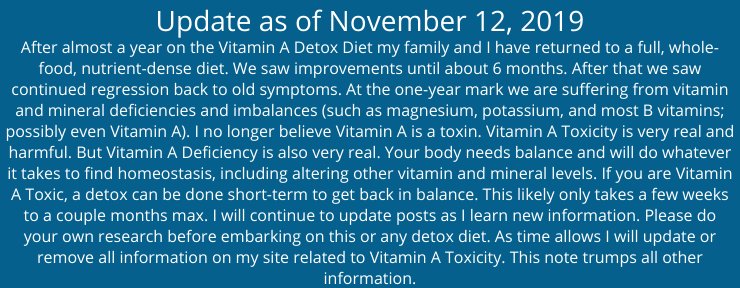
As I said at the start of the post, I’m always researching, learning, and experimenting. After a year on the Vitamin A Detox Diet I’m still not fully clear on my views on Vitamin A.

I truly believe that it is toxic in certain doses (and probably lower than people think) and that a state of toxicity is quite easy to reach these days with fortification, supplements, superfoods, glyphosate, and other toxins.

I also think the health of your liver and your body’s ability to detox is of utmost importance and a key factor in the whole equation. But whether or not Vitamin A is a toxin I’m not sure.

Unfortunately most scientific studies are done in the extremes. They are either trying to prove the impacts of toxicity or deficiency. But we are supposed to live in balance. There are no studies in the balance zone. What that balance is, I’m not sure. Do we need certain amounts of Vitamin A to balance other things? Does eliminating all high Vitamin A foods create other imbalances? There is a LOT we still don’t know. Just because there are studies that show the seriousness of Vitamin A Toxicity does not mean there can’t also be a deficiency? I’m not sure a true Vitamin A Deficiency study has ever been conducted!

Bio-individuality and listening to your own body is also critical. Regardless of any scientific study or prescribed diet, you have to do what works for you and makes you feel your best.

After a year on the Vitamin A Detox Diet we are learning that we have developed some serious vitamin and mineral deficiencies and most symptoms have returned. We are adding in foods that we tolerate and finding a new balance.

Have you ever heard of Vitamin A Toxicity? Have you ever wondered about over-supplementing?

The Best Way to Keep Your Family Healthy This Year

No matter what feeding challenges you face there is one key strategy to keeping your family healthy and well-fed this year. I’m sharing my number one tip…meal planning!No matter what feeding challenges you face there is one key strategy to keeping your family healthy and well-fed this year. I'm sharing my number one tip...meal planning!

When my son was two he was diagnosed with a myriad of food allergies. Feeding him became my new challenge.

Then when my youngest daughter was an infant she reacted to just about every single food I ate. Even harder.

Before I even had kids I went through my own journey of different diets to help my digestive issues.

Over the last fifteen years I’ve had so many different dietary restrictions to figure out and work around. In spite of that I’ve always had healthy, homemade food on the table for my family.

It never really mattered what foods we could and couldn’t eat. I can work around any food restriction. I like the challenge!

How to Keep Your Family Healthy

But there was one common solution to keeping my family healthy: meal planning.

That’s right. The best way to keep your family healthy this year is by meal planning.

As long as you plan ahead you can make good food choices. You can work around busy schedules and restricted diets. Even if it’s homemade chicken lunch meat sandwiches in the car between sports or a simple split pea soup you put in the crockpot at 6 am so dinner is ready when you get home from a busy day. Real food can take on many forms. But if you don’t plan ahead the packaged food and takeout meals will win.No matter what feeding challenges you face there is one key strategy to keeping your family healthy and well-fed this year. I'm sharing my number one tip...meal planning!

How to Meal Plan

There are varied strategies for meal planning. Some people plan a month at a time. Some do a week. Maybe you normally just figure out meals the night before. Some like variety while others rotate through a handful of family favorite meals. There are online meal planners and apps so you don’t have to do the work.

You can copy someone else’s meal plans too! I’ve got about five years of weekly menus on the blog.

It doesn’t really matter what meal planning method you use, as long as you actually use it!

My Meal Planning

Before I had kids I would plan meals one day ahead. And I hated it. The meal planning never ended! I had to do it every day.

As life got busier and we added in food allergies and special diets that method went out the window.

I now meal plan one week at a time, typically on Saturday. I base my meals on our schedules (when we might need a prep ahead meal or a quick clean up meal) and what food we have on hand. I find that if I try to plan farther ahead schedules change and I have to make adjustments anyway. So one week at a time works well for me.

My kids like to help too. They give input and I try to make it fit. I also try to plan meals they can help make.

Friday we always have breakfast for dinner. It’s good to do a fun night every week. My kids always look forward to Friday!

No matter how you do it, meal planning will help keep your family well-nourished. Plan a day ahead, a week ahead or even a month ahead. Cook daily or batch cook and stock the freezer. Make 30-minute meals or use your crockpot or Instant Pot. Find what works for you and stick with it!

Getting my kids in the kitchen has been one of my favorite things to do since before my oldest could even walk. But fun and games aside, this is the real reason I'm teaching my kids to cook.

The REAL Reason I’m Teaching My Kids To Cook

Getting my kids in the kitchen has been one of my favorite things to do since before my oldest could even walk. But fun and games aside, this is the real reason I’m teaching my kids to cook. Getting my kids in the kitchen has been one of my favorite things to do since before my oldest could even walk. But fun and games aside, this is the real reason I'm teaching my kids to cook.

“It’s a good thing I like to cook.”

I made that comment to my husband earlier this week. And I really meant it.

With all of the varying allergies in our house cooking is a full time job. I’m not joking. I spend half of my day in the kitchen.

It’s a rare treat if I can come up with a meal the whole family can eat. There is no such thing as convenience food (unless you mean a box of raisins.). Eating out? That’s a thing people do?

Even as we look ahead to visiting family this summer I have to do the meal planning. I don’t get a break whether I’m home or traveling.Getting my kids in the kitchen has been one of my favorite things to do since before my oldest could even walk. But fun and games aside, this is the real reason I'm teaching my kids to cook.

Nobody Else Can Cook for my Family

There is no substitute for me. Even my husband doesn’t know how to cook.

It doesn’t matter if I’m sick.

It doesn’t matter if I’m tired.

If I don’t cook, my kids don’t eat.

I happily accept the challenge of keeping my kids well fed and healthy. It is actually my passion.

The REAL Reason I'm teaching my kids to cook - and it's not to get me off the hook!

Everyone Deserves a Break From Cooking

But let’s be honest. Everyone needs a break sometimes. If you don’t get one, that passion fades a little. The joy of cooking isn’t quite the same when your food is reduced to a handful of safe options. And I don’t have ten hours a day to cook.

Have you tried cooking when you can’t let one person’s food touch another’s food? You must use a new knife for everything you cut. Did I stick that spoon in this pot or that one? Better get a clean one just to be safe. What rotation day are we on? Better check so we know what your snack options are. Does this measuring cup have latex? Gotta wash my hands after I add the flour to the bowl (or buy new measuring cups). Everyone must wash up as soon as they are done eating so you don’t get an allergen on anything.

Nothing is Easy with Allergies

Easy meals like sandwiches are a big undertaking. It requires me to make my own lunch meat and bake a minimum of two kinds of bread. Pizza…three separate crusts, two kinds of sauce, different toppings, some with and some without cheese, bake on separate pans, use different pizza cutters. Not so easy.

Cooking and eating at my house is like a very delicate juggling act. Fun in some ways. Not as fun in others. And one little slip up and it comes tumbling down.

Cooking is a Learned Skill

When I got married I really had no idea how to cook. I had a handful of things I could make. But not very well. And most of them involved packaged foods.

Over the years I have taught myself to cook. I have learned to be creative in the kitchen with evolving food restrictions and new diets. I always gladly accept each new challenge. I’m thankful I get to share my journey and my creations with you!

The REAL Reason I'm teaching my kids to cook - and it's not to get me off the hook!

I Want to Teach my Kids to Cook

But my kids won’t be little forever. I won’t be in control of what they eat when they grow up. I can’t make choices for them when they are not home.

I want to empower my kids to take control of their own health and understand how to eat well in spite of their allergies. I want to share my passion for real food with my children.

Yes, we are working on and hopeful for healing. It would be wonderful if someday we can all eat the same food and a much larger variety of food. But that is not guaranteed.

What I can for sure give my kids is the knowledge and ability to cook and care for themselves.Getting my kids in the kitchen has been one of my favorite things to do since before my oldest could even walk. But fun and games aside, this is the real reason I'm teaching my kids to cook.

Here’s the Plan for Getting Kids in the Kitchen

That’s where the Kids Cook Real Food eCourse comes in. We started it almost three years ago. When we do the lessons my kids LOVE it. And they learn so much. Now they are always begging me to help in the kitchen.

The real reason I'm teaching my kids to cook - and it's not so I can take it easy.

Sound good? Go check out The Kids Cook Real Food eCourse! There is something for everyone. Do it at your own pace and watch the videos whenever it fits in your schedule. It works for kids of all ages.Getting my kids in the kitchen has been one of my favorite things to do since before my oldest could even walk. But fun and games aside, this is the real reason I'm teaching my kids to cook.

Set Goals for your Kids

My first goal was to have my eight year old be able to make an entire meal by herself, start to finish. Then in a pinch I know I could rely on her to make a meal. That may sound like an ambitious goal if your kids don’t normally cook. But she’s been cooking with me since she was nine months old. She loves helping in the kitchen. Now I can let her really take responsibility.
Getting my kids in the kitchen has been one of my favorite things to do since before my oldest could even walk. But fun and games aside, this is the real reason I'm teaching my kids to cook.
Even my toddler has been doing the course and helping cook meals for two years. She’s very skilled with a knife!

Who knows, maybe I’ll even convince my husband to tune in to some of the classes and learn a few cooking skills too.

I love cooking in spite of our challenges. But I don’t want my kids to depend on me forever (well, I do, actually…can I keep them this small?). Sadly they do have to grow up.

I could say I’m teaching my kids to cook so I’m off the hook. But really that’s not it. I want them to be safe. I want them to stay healthy even if a situation comes up where I can’t be around to cook a meal. I want my children to be able to visit Grandpa and Grandma and tell them what they can eat.

How about you? Are you ready to give your kids skills for life?

Click here to register for the Kids Cook Real Food eCourse

It’s an investment in your kids’ future.

The real reason I’m teaching my kids to cook is to empower them and keep them safe and healthy. What is your motive for teaching your kids to cook?Getting my kids in the kitchen has been one of my favorite things to do since before my oldest could even walk. But fun and games aside, this is the real reason I'm teaching my kids to cook.

Need more info about picky eating and allergies? Check out my books!

Easy Nourishment for Picky Eaters

Why Won't My Child Eat?!