Home » Archives for Mary | Just Take A Bite » Page 4

Author: Mary | Just Take A Bite

it's important to make sure you are using safe, natural health and beauty products. This is especially true when it comes to kids. Today I'm talking about the best natural bath products for kids, from infant to teen.

The Best Natural Bath Products for Kids

Considering your skin is your largest organ and that it absorbs whatever you put on it, it’s important to make sure you are using safe, natural health and beauty products. This is especially true when it comes to kids. Today I’m talking about the best natural bath products for kids, from infant to teen.

it's important to make sure you are using safe, natural health and beauty products. This is especially true when it comes to kids. Today I'm talking about the best natural bath products for kids, from infant to teen.

When my oldest daughter was five, she would come home from school every day with red, dry, cracked hands. The back of her hands were so itchy and painful.

We had just entered the world of food allergies. So at first I wondered if it was related to something she was eating. Then I learned that they had to use hand sanitizer at school…a chemical storm right on the skin.

I immediately asked her teacher if my daughter could simply wash her hands instead of using the sanitizer. That helped some. But she still needed relief from the damage that had been done.

As a newbie to natural health, I reached for coconut oil. Can’t that cure everything?

Turns out no, it can’t.

If your kids are struggling with skin issues, skip the coconut oil! It actually dries the skin out and makes the irritation worse. Lesson learned.

Thankfully I have some knowledgeable friends that steered me in the right direction. And seven years later we still use the same natural skin care products on our kids. Today I want to tell you about my friend Emilie of Toups & Co. Organics and how her products have changed our lives.it's important to make sure you are using safe, natural health and beauty products. This is especially true when it comes to kids. Today I'm talking about the best natural bath products for kids, from infant to teen.

Why Natural Skin Care is Important for Kids

Your skin is your largest organ! It must be pretty important. Turns out it is.

Skin is the first line of defense for your innate immune system. It is the barrier between your surroundings and your internal environment. Your skin protects you from all sorts of invaders.

But the skin is also very porous. It absorbs whatever you put on it, and gets it right to the bloodstream. Unlike ingesting something, which goes through the digestive system and is filtered before entering the bloodstream, the skin is a fast-track to the blood.

This means that whatever you put on your skin is immediately absorbed (which is why using magnesium lotion is such an effective way to increase magnesium levels!).

Kids are bombarded with toxins these days. Especially harsh chemicals in soaps, cleaners, and hand santizers. So, now more than ever, it’s important to use natural skin care products on your kids.

My motto is, “if you wouldn’t put it in your mouth, don’t put it on your skin.”

What is the Best Lotion for Kids?

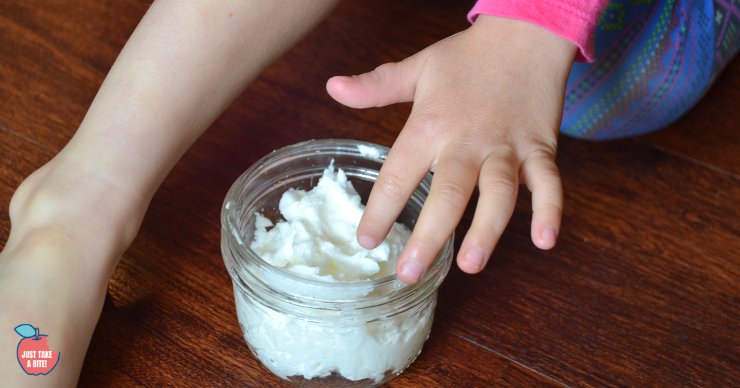
While coconut oil has its place in natural health, when it comes to skincare, tallow reigns supreme. Tallow is beef fat.

Now I know what you’re thinking. Gross! I don’t want to rub stinky tallow all over my kids.

No worries – there are ways to make tallow lotion that doesn’t stink.

Our favorite is Toups & Co. tallow balm or baby balm. Kid-safe essential oils make it smell amazing. The tallow is soft and soothing. My kids reach for it any time they have itchy or dry legs.it's important to make sure you are using safe, natural health and beauty products. This is especially true when it comes to kids. Today I'm talking about the best natural bath products for kids, from infant to teen.

What is the Best Natural Baby Wash?

Once I started researching lotions, I began to question everything I was putting on my kids’ skin. We had a lotion figured out. But what about bath products?

By this time I had a new little one with a host of food reactions. Which also meant skin problems. I needed something gentle, safe, and effective. Did that exist?

Thankfully it did…and does!

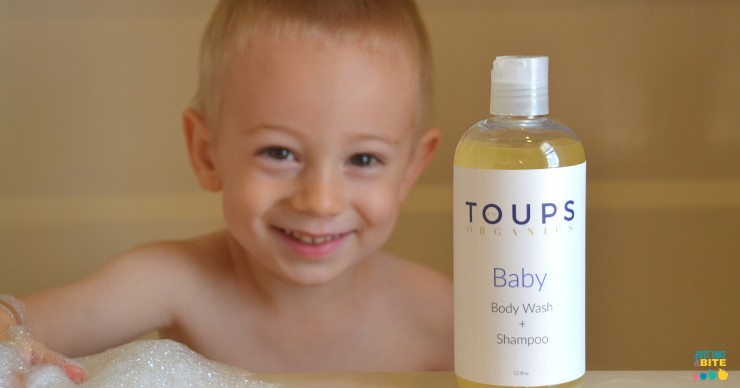
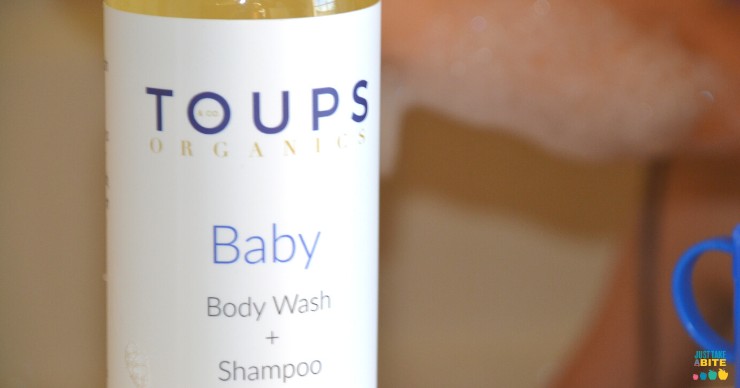
Once we found Toups & Co. Baby Body Wash, we never looked for another.

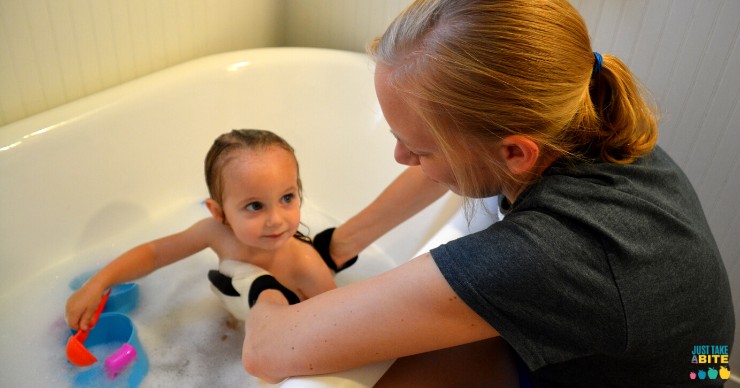
It suds nicely and washes effectively. I love that I don’t have to worry about my little ones getting some of the water in their mouths or even about the soapy water running down their faces.

I use this whenever I give my kids a bath. Truth be told, I’ve used it for myeslf too! It’s that good.

What is the Best Shampoo for Kids?

I didn’t use any shampoo for my boys for a long time. A wet Norwex body cloth was good enough on a little bit of hair. But my girls have long hair. My youngest daughter was born with a full head of curly locks. I avoided the shampoo for a little  while. But at some point I had to do it.it's important to make sure you are using safe, natural health and beauty products. This is especially true when it comes to kids. Today I'm talking about the best natural bath products for kids, from infant to teen.

Thankfully the Toups & Co. Body Wash doubles as shampoo!

When I give my little ones a bath I literally pour a bit of the body wash on their heads, rub it in, and just work my way down the body. Then one big rinse and we’re done! I can have my toddler’s bath done in about three minutes if need be (like when dinner is cooking but I have to squeeze in bathtime).

What is the Best Chemical-Free Soap for Teens?

Infants, toddlers, and preschoolers don’t take much work to clean. They don’t get sweaty and stinky. Sadly, we can not say the same thing about our teens.

Around age eight or nine it’s time to start using some stronger soap. If you have kids in the eight to eighteen age range, you know what I mean.

This is also a time when hormones are kicking in, oil glands are on overdrive, and the skin can be very sensitive.

If this is the phase your child is in, you’ll want to try both the Toups & Co. Everything Bar and Charcoal Bar.

I’ll be honest, I was skeptical. Can a bar soap really replace our shampoo? Can charcoal really clean my daughter’s skin well? But it only took a few uses for my daughter and I to both be believers.

The Everything Bar literally replaces everything. We use it from head to toe as shampoo, soap, and shaving cream.

The Charcoal Bar is great for cleaning the face. It washes away all dirt, grime, and makeup. It leaves your skin feeling so clean and soft. And if you run out of the Everything Bar, you can use the Charcoal Bar for shampoo too (ask me how I know).

Giving teens safe, natural health and beauty products is so important at this critical phase in their development. Hormones are already going a bit whacky. Adding hormone-disrupting chemicals in traditional products to their skin just compounds the problems.

And while you’re at it, you might as well grab some safe and effective deodorant for your teens! This is what my 12 year-old daughter uses. It won’t be long before I’m buying it for my son! Thank goodness for some more “masculine” scents and even an extra strength version. We may need it.

Safe Chapstick for Kids

We’ve covered kid-safe products for hair and skin. But don’t forget about the lips! Many kids like to use chapstick both for dry, chapped lips and simply for feeling a bit grown up.

It is essential to use safe ingredients here as they will get in the mouth when a child eats or licks her lips. I’m thankful Toups & Co. offers several flavors of chapstick that are made from tallow. No dangerous ingredients.it's important to make sure you are using safe, natural health and beauty products. This is especially true when it comes to kids. Today I'm talking about the best natural bath products for kids, from infant to teen.

Natural Bath Products for Kids and Babies

If you are in the market for natural bath products for babies, kids, or teens (or even yourself!), I recommend Toups & Co. Organics. They are staples in our home. I hope they will be staples in your home too! My favorite and most-used products are the Baby Body Wash & Shampoo and Toups & Co. tallow balm.

Natural Skin Care for Mom

I love to talk about kids’ health. But I couldn’t write about Emilie’s products without mentioning her makeup line. I searched for YEARS for a natural makeup that actually works and doesn’t completely break the bank. I tried all sorts of powder mineral makeups. They were OK, but not great.

I finally tried the Toups & Co. liquid foundation and immediately fell in love. This is the makeup I’ve been searching for. It goes on so smoothly and blends right in. I can hardly tell I have makeup on. It lasts all day too. At the end of the day I’m almost sad to wash my face because it still looks so nice.

When it comes to makeup, I’m about as minimal as you can get. Partly because that’s just me. I like to keep things simple. But partly because of past experience. I used to try to wear eye makeup…and would wake up the next day with painful, swollen eyelids. I swore off eye makeup about seven years ago after a really bad reaction where I could barely open my eye. It was so painful.

So I was hesitant to give it another go. But I finally tried the Toups & Co. mascara. To my amazement I had NO reaction. I wore it all day without any problems. Then I tried it again the next day…and the next. No problem!

I’m so happy that for the first time in years I can wear eye makeup. Since I was having so much fun with makeup I also decided to try some lipstick in bright red. And I love it! I’ve avoided any makeup but the bare minimum for so long. I’m thankful I can enjoy putting my face on a bit again. It’s fun to feel really good about how I look when I want to get dressed up.

If you’ve been on the hunt for natural makeup, give Toups & Co. a try. You won’t be disappointed!

Toups & Co. Organic Tallow Balm for Kids

After the hand sanitizer and cocnout oil, my daughter needed relief. Thankfully we tried Emilie’s tallow balm. It was like magic. My daughter’s hands returned to normal, and we have a quick solution if the dry skin ever flares.

Now with four kids I have a bit more experience under my belt. If one of them has dry skin or eczema I immediately reach for the tallow balm. In fact, we only keep two kinds of lotion on hand – tallow balm for dry or irritated skin and magnesium lotion for restless legs, trouble sleeping, growing pains, bed-wetting, and anxiety. There is no need for anything else!

Are you ready to do the “ditch and switch” with your health and beauty products? Check out Toups & Co. Organics as a one-stop shop for all of your family’s needs HERE!

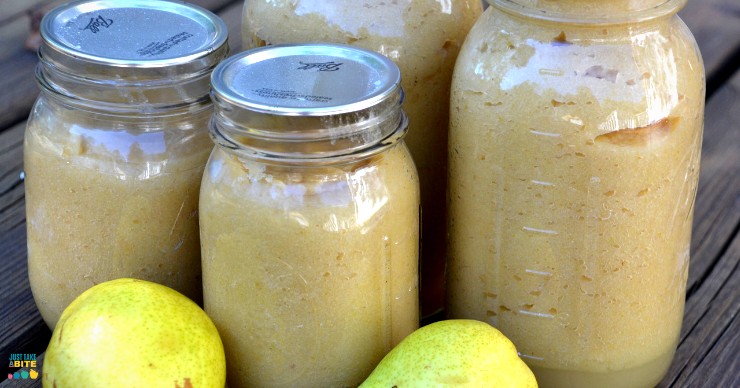
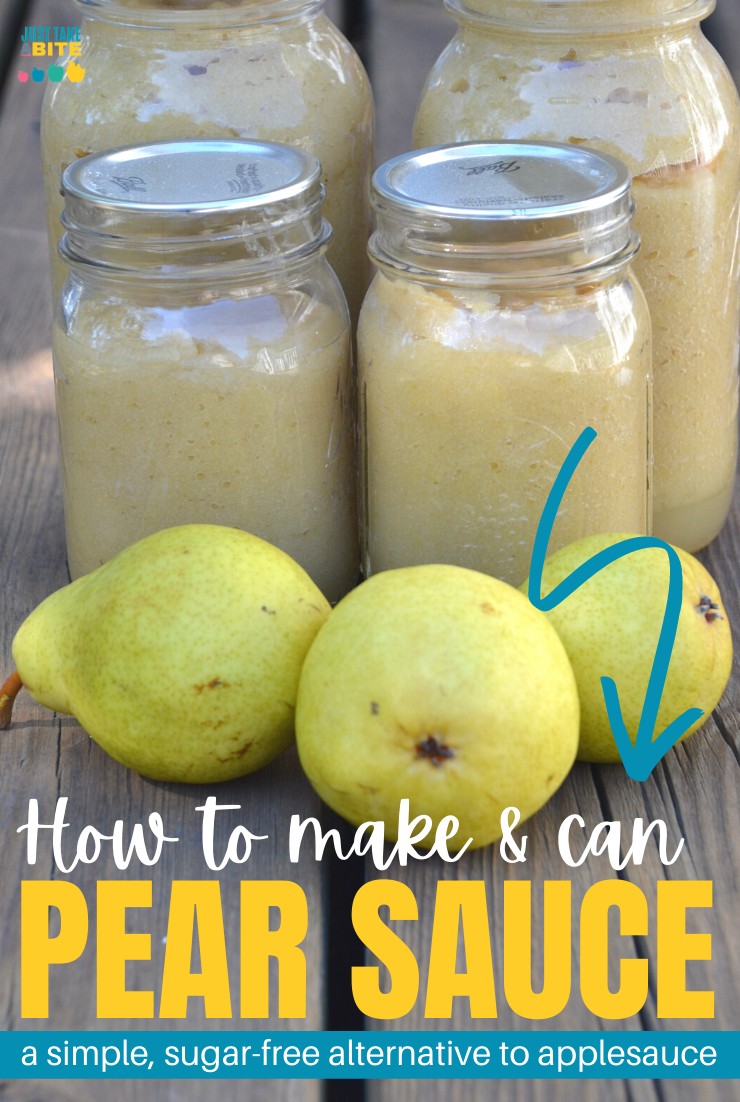
An easy solution for preserving pears without spending hours in the kitchen - how to make and can pear sauce. A great no-sugar-added alternative to applesauce. #canning #realfood #healthykids #pearsauce

How to Make & Can Pear Sauce | A No Sugar Added Alternative to Applesauce

Fall is a busy time of canning applesauce and freezing pumpkin. But don’t forget about preserving pears! With a short season and a busy schedule use this guide to stock your pantry with pear sauce before the pears are gone.

An easy solution for preserving pears without spending hours in the kitchen - how to make and can pear sauce. A great no-sugar-added alternative to applesauce. #canning #realfood #healthykids #pearsauce

I’m a big fan of hardy produce. You know, the kind that can sit on the counter or in the fridge for weeks and still be OK? Like carrots, potatoes, apples, rutabaga, parsnips, cauliflower, and cabbage.

I love all kinds of fruits and veggies. But some of them are a bit demanding.

One day an avocado is not quite ripe. The next day it’s mushy.

The same goes for pears. You check and check for ripeness. Then all of a sudden you’ve missed the window and they over ripe.

Personally, I like to be in control instead of my produce. But it just doesn’t work that way for everything.

So I always get anxious when it’s pear season. I want to preserve them. But I just don’t have time any old day. Will I time it just right? Will I be stuck peeling hard pears? Or will I let them go too far because we were busy with soccer and band?

It’s a gamble.

I try to do a fair amount of canning each fall. How much I do depends on my kids’ ages and how I’m feeling.

Regardless, I don’t like to spend hours on end in the kitchen each day to keep up with produce preservation.An easy solution for preserving pears without spending hours in the kitchen - how to make and can pear sauce. A great no-sugar-added alternative to applesauce. #canning #realfood #healthykids #pearsauce

How to Can Pears

I already take the easy route when it comes to canning peaches. That is a life saver!

Then I get to pears. There is really no way around it.

Canning pears takes a lot of time.

Lots of peeling and slicing (especially if the pears are small). It can take up to sixty pears just to do one round of canning! That is a lot of peeling.

So I stopped doing it years ago. Much to my husband’s disappointment. I just don’t have time.

But I still want to preserve this amazing fruit to enjoy it all winter.

How to make and can pear sauce - an easy alternative to applesauce

How to Can Pears Without Sugar

Enter pear sauce.

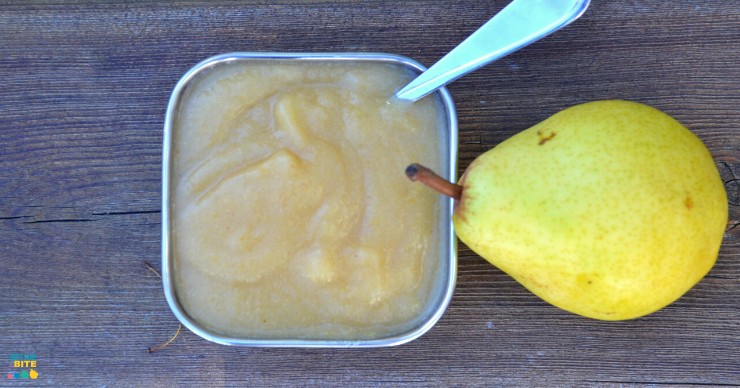
It is just like applesauce but with pears. Honestly, I would take pear sauce any day over applesauce. It is that good.

There is no need to add any sweetener as pears are plenty sweet on their own.

The other thing you don’t have to do – peel them!

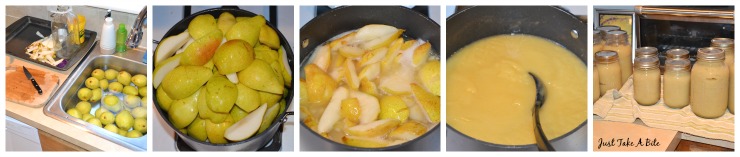
Preserving pears is quite easy when you can just wash, quarter, cook and puree. Then either can or freeze the pear sauce.An easy solution for preserving pears without spending hours in the kitchen - how to make and can pear sauce. A great no-sugar-added alternative to applesauce. #canning #realfood #healthykids #pearsauce

Pear Sauce for Baby

One of the reasons I love having pearsauce on hand is that it makes a super easy first food for little ones six months and up. You can serve it plain or turn it into a nutrient dense baby porridge. Warm the pear sauce slightly and mix in coconut oil and an egg yolk. Stir and serve!

My big kids love pear sauce too! Sometimes I even make it extra special by adding strawberries, raspberries or blueberries from our freezer stash. As they melt and let off juice it colors the pearsauce and adds an extra burst of flavor.

Serve it cold. Serve it warm with a pinch of cinnamon. Add it to oatmeal. Mix it in yogurt.

You really can’t go wrong. You also don’t need to spend days on end making pear sauce.

Pear Sauce Canning

Here is my busy mom’s solution to preserving pears. I am able to work through a half bushel in one day (with four young kids, including a nursing little one) and still manage to do our school work, go to activities, and get healthy meals on the table.

It only takes about twenty minutes to wash and slice one batch of pears. Then you can let it cook for a bit while you tend to something else. Being able to make pear sauce in steps is so handy!

A full batch (seven quarts) takes about 30 – 35 medium to large pears. So figure out how many jars you’d like to can and then figure out how many pears you need. I usually get one bushel of pears. It makes three rounds of pear sauce with some pears left over for eating fresh.

Pear sauce makes a great alternative to applesauce. Variety is key to any diet, especially if you are implementing a rotation diet for food allergies. So this is a nice change of pace! My kids actually prefer it over applesauce.

Have you ever tried preserving pears? I encourage you to try pearsauce!

Are you new to canning? Check out my step-by-step tutorial to get you going.An easy solution for preserving pears without spending hours in the kitchen - how to make and can pear sauce. A great no-sugar-added alternative to applesauce. #canning #realfood #healthykids #pearsauce

What to do With Extra Pears

Depending on the size of the pears and the quantity you buy, sometimes you end up with a pile of extra pears. And like I said before, they can go from almost ripe to mush pretty quickly. So what do you do with those extra pears?

Of course you can eat them fresh! Pears are a sweet treat on their own. But you can only eat so many. Here are a few other options for using up extra ripe pears.

Homemade Pear Sauce Recipe

Homemade Canned Pear Sauce

Prep Time 30 minutes
Cook Time 45 minutes
Servings 7 quarts
Author Mary | Just Take A Bite

Ingredients

  • 30 - 40 medium ripe pears
  • 1 cup water

Instructions

Making Pear Sauce

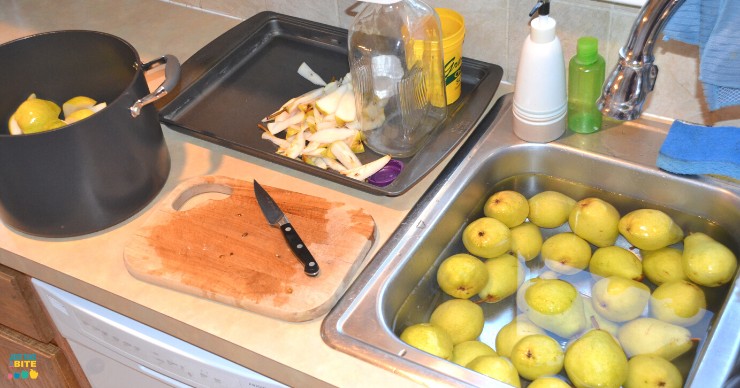
  1. Wash pears (this can be done in a clean sink full of water).

  2. Add 1 cup water to a large stockpot and turn on high heat.

  3. Quarter and core pears, placing them in the stockpot as you go.

  4. Adjust heat to simmer and cook the pears until soft, stirring periodically, about 15 minutes.

  5. In batches puree the cooked pears and their juice in a high-powered blender until smooth.

Freezing Pear Sauce

  1. Chill the pear sauce.

  2. Put the pear sauce in freezer-safe containers.

  3. Label and freeze for up to a year.

Canning Pear Sauce

  1. Return the pureed pear sauce to the stockpot and keep warm.

  2. Prepare the water bath canner (filled with water and jars and get the jars hot).

  3. Ladle the hot pear sauce into hot jars, leaving 1/2" headspace.

  4. Wipe the rims of jars and place the lids and bands on.

  5. Can in hot water bath for 30 minutes (quarts) or 25 minutes (pints).

  6. Remove the canner lid and let the jars sit for 5 minutes.

  7. Remove jars from the canner and place on a towel to cool, untouched for 8 hours.

Recipe Notes

  • One batch of pear sauce makes 6-7 quarts or 12-14 pints.
  • A half-bushel of pears will make 2 rounds of pear sauce, with a few pears left for eating fresh.

This post is linked to Savoring Saturdays.

No more fights. No more allergies. Learn how to get your kids on a rotation diet.

How To Begin A Rotation Diet for Kids

When it comes to allergies, diet is key This includes rotating foods.. Wondering how to get your kids on a rotation diet…and avoid the resistance? Let them have control!

No more fights. No more allergies. Learn how to get your kids on a rotation diet.

One of the hardest things about an allergy diagnosis is taking food away from your child.

Who wants to say, “Sorry, no more apple slices”? Or “Your sister is having cheese, but you can’t have it now”?

Then you break the news. You also have to rotate your food. The raisins you like to snack on every day? Now you can only eat them every four days. I hope you enjoyed that banana. You can’t have another until later this week.

How to Follow A Rotation Diet

This may sound like a joke, but it’s not. Using a rotation diet for allergies is one of the most important things you can do. It certainly does not make dealing with allergies easier. But it will help in the healing and prevention process. By rotating the food you eat on a four-day cycle, you allow the body time to heal. It also prevents the development of new allergies, which is so common. Eating the same foods day after day when you have allergies is a recipe for disaster.

No more fights. No more allergies. Learn how to get your kids on a rotation diet.

If you have never heard of or tried a rotation diet be sure to read about how a rotation diet works and why it is critical for those with allergies!

So just how do you get your kids on board with this new way of eating?
 

How to Get Kids on a Rotation Diet

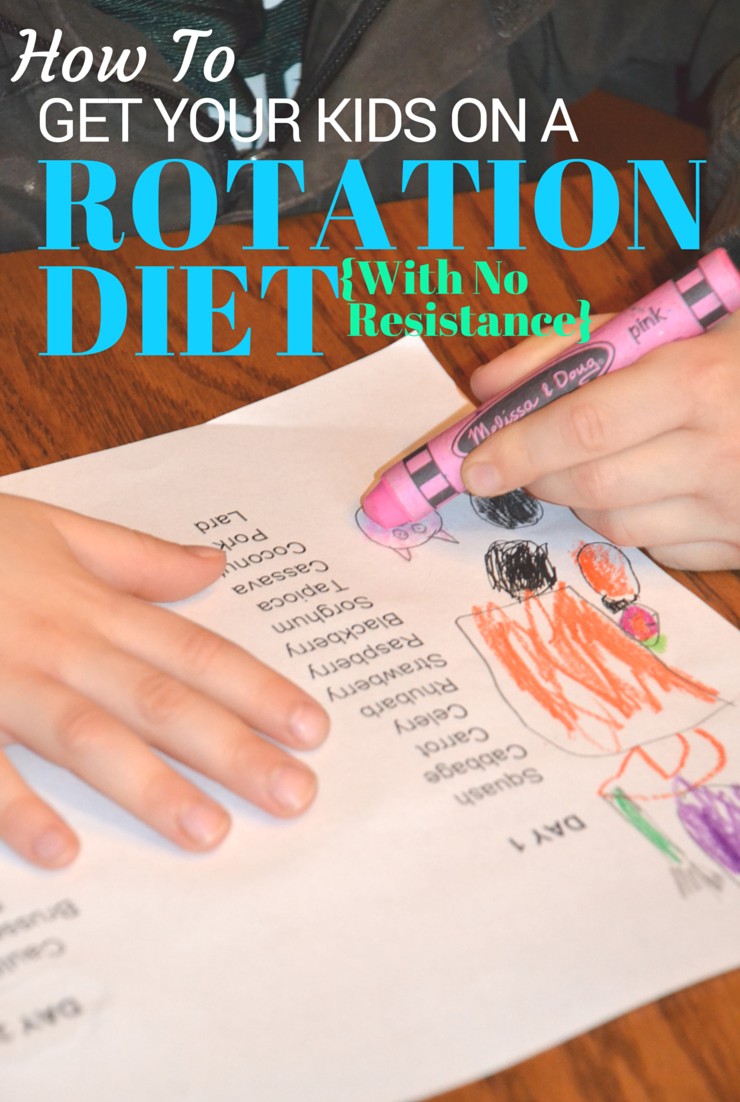
Today I’m at Kitchen Stewardship sharing fun tips for getting kids of any age on a rotation diet. Read the full article HERE.

I’ve also got a super cool FREE printout to help you get started. Get your copy now.

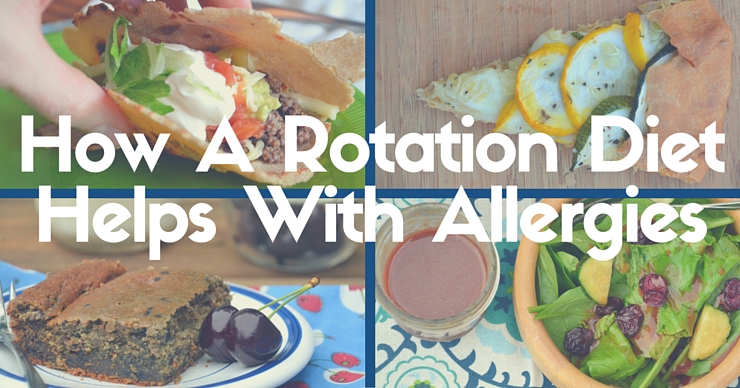
How A Rotation Diet Helps With Food Allergies | Just Take A Bite

How A Rotation Diet Helps With Food Allergies

When it comes to food allergies, one of the biggest mistakes parents make is feeding their kids the same foods over and over. While it may make life easier, it could cause more problems in the long run. Implementing a rotation diet is a great strategy for feeding kids with food allergies.

Active Eater

“You should try a rotation diet.”

I first heard those words when I went through a whole assortment of tests a few years ago and the results showed a lot of latent food allergies.

My first thought: “You want me to not eat the same foods two days in a row?”

How Leftovers Impact Gut Health

I am a creature of habit and the queen of repetition. I am an Analytical Eater after all! I could eat the same food for breakfast, lunch and dinner every day for a week and not mind one bit. And if I really like something, I often do eat it every day. Plus I LOVE leftovers. I’m odd but I like cold leftovers better than freshly made food. So the idea of not eating things two days in a row was crazy to me.

My second thought: “How is that going to help?”

Turns out it helps a lot. Though I didn’t fully realize it at the time.

Why Won't My Child Eat?! Simple strategies to feed any child with food allergies, sensitivities, oral spd, refusal to eat, and more!

I went home, did more research and got started. I only had one child eating solids at the time. So it wasn’t that tough to modify meals for the family and work around my new diet. I stuck with it for a while and had fun experimenting with new recipes.

Then life got busy. I gradually fell back into old habits. I had a one year old that was always on the move. And a very smart four year old that needed lots of stimulation and always wanted to learn something new. Plus I was tired and struggling with adrenal fatigue. Back to eating the same foods all the time and feeding my kids the same foods.How to use a rotation diet to minimize food allergies and introduce new foods with ease. #foodallergies #feedingkids #healthykids

Rotating Foods for Allergies

Fast forward a year and my son was diagnosed with along list of food allergies. All the allergist told us to do was avoid the worst offenders. That was it for advice.

Ok. We can do that. No dairy, eggs, rice, beans, peas, grapes, pears and a few other foods. Not fun. But we’ll manage.

Six months later we went for a retest. The allergies were worse, and new ones had popped up.

It was then that I learned how a rotation diet can help with allergies and just how important it is.

Can you guess what foods my son now reacted strongly to?

All the foods he ate frequently and foods we used to replace his allergens. Oops. Mom fail. Lesson learned. Sort of.

Why Won't My Child Eat?!

We’ve gone through this up and down cycle of sticking to food rotation and then getting busy and slipping back into old habits many times. And almost every time we pay for it by adding new allergies.

Knowing just how important rotation is, I was very strict about enforcing it with my youngest daughter from the start.

How A Rotation Diet Works

That’s a little background. I hope I didn’t lose you at the mention of a rotation diet.

It’s kind of a strange concept. Basically you eat foods on a four-day rotation. So if you eat an apple on Monday you can’t eat an apple again until Friday.

How does that help? And why four days?

Allergies can start or worsen with repeated exposure to an allergen, especially in allergy-prone people and those with leaky guts (which includes many of us). So if you are consuming the same food day after day, any reaction to that food will gradually intensify. It’s kind of like picking at a cut. The more you pick at it, the worse it will get.

When you eat a problem food, your body produces “masking” antibodies. After four days those antibodies are gone (if you aren’t eating the food). So you can better assess if a particular food was bothering you. If you eat the same food every day those antibodies do not clear out and you’re left guessing and having reaction upon reaction. Been there, done that.

Food Rotation on a Restricted Diet

Ideally you should rotate food families. But this is not always possible. My youngest daughter did not even have enough safe foods to span four days with rotating families. So we stuck with rotating individual foods and tried not to have food families span more than two days. You have to do what works for you.

An added bonus of rotation is that it forces you to have variety in your diet, which leads to a broader spectrum of vitamins and minerals. This is beneficial for the whole family, not just those with allergies. So get everyone on board!

Sound like a good theory but impossible to implement? It’s not. I promise. It just takes some planning.

How to Start a Rotation Diet

  1. Make a list of all of the foods you can eat. You can do this for the whole family or just for the individuals with allergies.
  2. Group the safe foods into food families.
  3. Now start filling in four days, including foods from each food group (fruits, vegetables, grains/starches, fats, proteins) in each day.

I also like to group foods that we commonly eat together. For example, beef and tomatoes are good on the same day for making spaghetti with meat sauce or tacos with salsa. I include peppers and onions on those days too. Rice tends to go well with chicken or pork. I put lettuce and a few favorite salad toppings on the same day.

How A Rotation Diet Helps With Allergies | Just Take A Bite

Rotation Diet Meal Plan

Play around with it until you find a rotation that works for your family. Then start planning! Oddly enough a rotation diet can actually make meal planning easier. A lot of the decisions are made for you. The other day I was planning a meal for a day with pumpkin, rice, lettuce and cucumbers. So we had pumpkin pasta (rice noodles) and salads. Perfect!

I even manage to use leftovers by making my “day” go from dinner one day to lunch the next. So dinner leftovers can still be eaten for easy lunches. Then we start our next day with dinner again.

One down side to a rotation diet is that it can be hard to eat seasonally. It just depends on how restricted your diet is. We’ve been eating asparagus all year because my daughter likes it and tolerates it. Normally we only eat it in the spring when it’s growing in our garden. But having food options wins over eating seasonally. Not to mention on a rotation diet you can’t eat cherries every day for two weeks straight while they are fresh. The rotation is more important.

An Easy Way to Identify Food Reactions

Since starting a rotation diet with my kids, it is a lot easier to keep new allergies to a minimum and to spot an offending food right away. Sometimes people think I’m crazy when I say I can pinpoint food reactions in a couple days. But I can. It is because we use a rotation diet. This is also very helpful when re-introducing foods. It’s easy to tell right away if my child is still reacting or not. So we can try one new food a week when I think they are ready.

Before dealing with allergies, my diet was about the farthest thing from rotated. I ate the same foods day after day after day. And I paid the price with a long list of latent allergies. And I have seen firsthand how not rotating foods has negatively impacted my children.

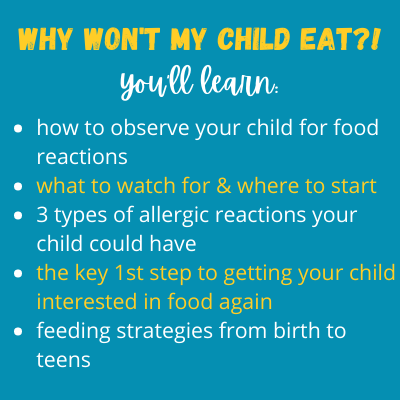
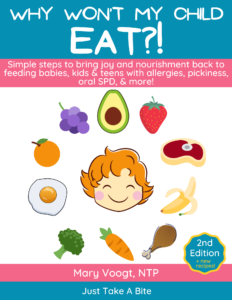
Using a rotation diet is one of the most important things you can do for someone with allergies. And it is just one of the many topics I cover in my book Why Won’t My Child Eat?!. I’ve got tips on how to observe your child for food reactions and how to deal with picky eating. I’ve even got a tried and true method for feeding a child that refuses to eat anything (I’ve been there…for months). Plus lots more.

Get your copy of Why Won’t My Child Eat?! so you can take the guess work out of behavior issues and picky eating and start enjoying meal times again.

Do you have kids with allergies? Do you use a rotation diet or are you stuck in a rut with a handful of safe foods?

Get out of the rut and get on the road to better health with a rotation diet. Then take the next steps to having great eaters with the tips I share in Why Won’t My Child Eat?!.

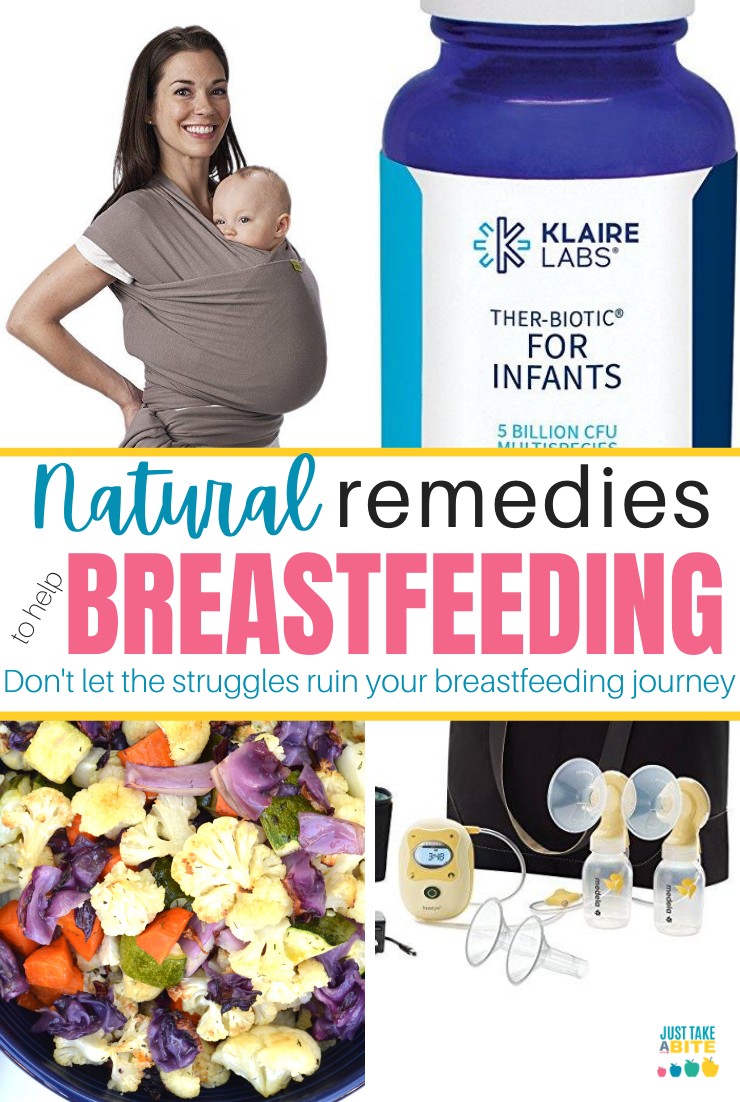
Natural Remedies to Help Breastfeeding

When it comes to feeding baby, breast is best. But that doesn’t mean it’s always easy! Breastfeeding a baby can be a big struggle. Here are some simple natural remedies to help breastfeeding go more smoothly.When it comes to feeding baby, breast is best. But that doesn't mean it's always easy! Breastfeeding a baby can be a big struggle. Here are some simple natural remedies to help breastfeeding.

When my first child was born I knew I wanted to breastfeed. But I didn’t know much about how. I learned as I went. She nursed fine, but would nurse for 1 – 1 1/2 hours at a time. I had no idea that wasn’t normal (though now I know it’s related to her oral sensory issues). She also spit up a lot. Both things we just dealt with. It was a full time job feeding and cleaning up after her!

Then came my oldest son. He was a champ when it comes to nursing. Twenty minutes and done. Eat every two hours. Easy. I did change my diet a bit for his reflux, but overall he did great. And his growth proved it! In fact he didn’t even want solid food until he was about ten months old. No pacifier, no thumb, no blanket. He just liked to nurse.

I had two decent breastfeeders. I felt confident I knew what I was doing. So when my third child was born I could tell something was off from the start. The longest she would nurse was about three minutes. I had to feed her very often. Eventually we found out she had a tongue tie. She also reacted to many foods I was eating. She even got to the point that she was barely eating at all (read how we resolved it here).

After three different breastfeeding experiences I thought I had it figured out. Wrong. When my fourth was born it was back to square one. He would resist nursing most of the time. I tried all the tricks I knew, but nothing worked. I didn’t want to relive what I went through with my daughter.

After four weeks of stress I waved the white flag and met with a lactation consultant (something I now think all new moms should do!). I learned so much from her and from my son. I’m so happy to be able share all of my natural remedies to help breastfeeding with you!When it comes to feeding baby, breast is best. But that doesn't mean it's always easy! Breastfeeding a baby can be a big struggle. Here are some simple natural remedies to help breastfeeding when the journey is hard. #breastfeeding #naturalhealth #breastisbest #feedingbaby

Common Breastfeeding Problems

For something so “natural,” there is  a lot that can go wrong with breastfeeding! Here are some of the common breastfeeding challenges.

  • baby won’t latch at all
  • baby frequently unlatches
  • baby fusses with nursing/refuses to nurse
  • baby nurses for a long time (over one hour)
  • baby only nurses for short periods (2 – 6 minutes)
  • baby is overly gassy
  • baby spits up a lot (reflux)
  • baby is in pain before or after a feeding or when laid down, baby gets hiccups often (silent reflux)
  • low milk supply
  • fast letdown/oversupply
  • baby refuses to nurse while teething

Breastfeeding Tips and Natural Remedies

My first piece of advice is to not give up! I know it can be hard. Feeding your little one can consume your life at times. But it’s worth the effort!
Aside from sticking with it, here are some tried and true natural remedies to help breastfeeding.

Body Work

Both in utero and in the birthing process baby’s spine and muscles can get out of place and tighten. This can lead to tension in the body where it shouldn’t be, restricted head and tongue movement, torticollis and plagiocephaly (flat head). As you can imagine any of this could make breastfeeding both uncomfortable and challenging for baby.

One of the best things to do for baby (really for all babies, even if they are nursing fine) is body work. Craniosacral therapy, chiropractic care and occupational therapy can all help get things back in place and relieve tension. Be sure to find a therapist that is trained to work with babies.

Tongue and Lip Tie Revision

Tongue and lip ties are quite common these days. And they can make breastfeeding very difficult as baby has limited tongue movement and can’t latch properly. It also often causes mom a lot of pain. Anyone would feel like giving up if baby isn’t latching and mom is in pain!

Find a preferred provider that does laser revision for a proper evaluation and revision if necessary. The first few days or weeks after a revision can be challenging. Baby might be in pain and will have to relearn how to latch. But the long-term benefits are so worth it. Not only for breastfeeding but for proper tooth development, overall mouth structure and speech.

Elimination and/or Rotation Diet

I know not everyone will agree with me here. I’ve read so many sites that claim it is rare that mom’s diet can have any impact on baby. But it’s just not true! What you eat can absolutely cause problems for your little one (learn more about why HERE). I have had to alter my diet for all four of my kids. Whether it’s just one food that causes more reflux or a whole host of foods that cause rashes, hives and blood in the stool. Changing diet can make a world of difference.

This does not mean your little one necessarily has allergies or that they will have allergies when they get older. It’s more a sign of poor digestion and possible vitamin and mineral imbalance. The good news is that it is usually very temporary.

Start by cutting out all common allergens and any other foods you suspect could be a problem (acidic foods, gassy foods, etc.) until you have a more content baby. Then rotate foods on a four day rotation (learn more about rotating foods here). Gradually add food back one at a time and watch for reactions. Once you have pinpointed problem foods, keep them out for a few months before experimenting again. This will give baby’s gut time to mature and heal.

Improve Gut Health

Babies are born with an immature digestive system. Many breastfeeding struggles like reflux, excessive gas and food reactions are a reflection of that. Not to mention many babies are exposed to antibiotics and other drugs from the moment they are born. Also, if mom has food allergies or intolerances and eats one of her problem foods, baby can react to it as well. But on a larger scale. So it is very important to focus on gut health for both mom and baby.

A good quality probiotic daily is a must (I like this one and this one for babies. I use this or this for myself). For baby I simply mix the probiotic with a small amount of expressed breastmilk and administer it with a syringe. You can even put a small amount directly on the nipple at the start of a feed. If you bottle feed, mix it right into the bottle.

There are a few other natural remedies that can be combined with probiotics. Digestive enzymes (I like this brand) will help both mom and baby break down food properly. Mom can take the pills with each meal. A little powder can be mixed with breastmilk for baby.

Cell salts can be helpful for getting minerals into the cells. Mag Phos is great for gas and colic. Nat Phos helps many babies with reflux.

Essential oils that help digestion can be beneficial. Make sure you use one safe for babies, administered properly with a carrier oil.

Nursing Positions

Sometimes something as simple as changing positions can have a huge impact on breastfeeding success. Many moms find that laid back nursing works well. This is especially helpful for babies with reflux and for moms with a fast letdown. In a laid back position gravity helps instead of hinders.

Some moms enjoy lying on their side for nursing. This makes night time feedings easier. A football hold might work too.

My little guy with reflux does best when I’m bouncing on a balance ball or standing and bouncing. It’s a bonus that I get a little exercise!

You can also breastfeed while wearing your baby (a skill I have yet to master!). This keeps baby upright (great for reflux) and keeps you from getting sore arms. This is really helpful in the early days when baby is the most fussy.


If you’re wondering what else besides a great carrier is a must for those first couple months check out Think Baby. They’ve got all sorts of great info on pregnancy, feeding, infants and toddlers. Even some tips for surviving sleepless nights and the benefits of baby wearing.


Try all different positions to find what is most comfortable for you and baby. There is no right or wrong way.When it comes to feeding baby, breast is best. But that doesn't mean it's always easy! Breastfeeding a baby can be a big struggle. Here are some simple natural remedies to help breastfeeding.

Breastfeeding Diet and Milk Supply

Even with all of these natural remedies to help breastfeeding, sometimes it’s still a struggle! I totally understand. There comes a point where you have to take a step back and look at the big picture. The most important thing is keeping baby healthy.

You may have to pump and bottle feed either part time or full time. It takes some extra work, but baby is still reaping the benefits of mom’s milk. Which is the most important part.

Some women have success using a nipple shield. Often it is only necessary in the early months and baby can transition off of it.

If baby does very short feeds and is not getting the hind milk try block feeding. Continue to offer the same side at each feeding until it is drained. You can also massage your breast while nursing to mix the fat in. You are basically homogenizing your milk. This actually makes it easier for baby to digest!

Having a fast letdown or oversupply can be just as challenging as low supply. Your body produces new milk ducts with each pregnancy. So the milk flow gets faster with each child. This can be hard for baby to manage. Try taking baby off the breast when the letdown starts and use a towel or burp cloth to catch the milk. Put baby back on the breast after the flow has slowed. This will help baby not to swallow so much air and become extra gassy. You can also pump for a few minutes before a feed to soften the breast and make it easier for baby to latch. This will also help you work around the letdown.

If your supply is low try eating lactogenic foods and teas and drinking plenty of water. It is also critical to take care of yourself. Eat plenty of nourishing food, including sufficient carbohydrates. Sleep when baby sleeps. And do not do any strenuous exercise. Undereating, eating low carb, and overexercising are all stressful to your body and can prevent it from producing milk.

If you simply can’t produce enough try to find donor milk or make your own formula.

Natural Teething Remedies

Sometimes what appears to be a latch issue or refusal to nurse is actually just teething! Many moms are shocked to hear that teething can begin at birth! How do I know this? That was my fourth child. By six weeks old he was a slobbery mess, chewing on his hands non-stop. By eight weeks old I could see his first two teeth!

While some babies aren’t bothered by teething, some really struggle. The pain while suckling can be very intense. Three out of four of my kids had a very hard time with teething and would go on a nursing strike due to pain. I’m thankful for my oldest son that was the opposite. He wanted to nurse more while teething!

Unfortunately, I didn’t learn about natural teething remedies until I was three kids in. My oldest daytime weaned at 11 months due to teething pain. I tried and tried and cried and cried, but it just wasn’t happening. I pumped to keep her exclusively breastfed until one year old. But it was very hard for me emotionally.

On the flip side, in spite of our struggles, my youngest daughter nursed until she was two and a half years old! My youngest son is two and still going strong with breastfeeding.

My favorite teething remedies include:

  • Copaiba essential oil rubbed along the jaw line
  • Boiron Camilia homeopathic drops
  • Gentle Baby essential oil
  • Amber teething necklace
  • Bach Rescue Remedy flower essences

All combined they ease the pain and help baby feel calm.

Understanding Your Child’s Eating Style from Birth

A fun way to improve your breastfeeding experience is by understanding your nursling’s Eating Style. Even at such a young age you can use this knowledge to meet their needs.

If you have an Intuitive Eater, she probably needs a lot of sleep, a lot of comfort, and may be a thumb sucker. However, if you have an Adventurous Eater, he may sleep sporadically and get easily distracted by noises and his surroundings.

You can learn more about your baby’s Eating Style HERE.

Breastfeeding Benefits

Many women quit breastfeeding because of challenges. I know just how hard it can be. I’ve struggled through it too. But I encourage you not to give up! Many struggles improve significantly after the first few months when baby’s digestion and body control are more mature. And when your supply regulates.

Some obstacles like teething and reflux are temporary.

Keep in mind that this is not just about breastfeeding. Resolving many of these issues now – like tongue ties and poor digestion – will help create good eaters down the road.

Nursing your little one into toddlerhood is an amazing experience that has both physical and psychological health benefits. I hope you use some of these natural remedies to help breastfeeding and find success on your journey.

What have been your biggest breastfeeding struggles? What has helped you the most?

If you’ve tried many of these and you’re still struggling, I’d love to help! Let’s hop on a chat and see if we can work together to find a soltion HERE.

Does your child struggle with anxiety? Looking for a natural solution? Anxiety is often related to a mineral deficiency, particularly magnesium. Using magnesium lotion and/or magnesium supplements for kids can help relieve anxiety and calm the nervous system. No medications. No doctors. Just simple nutritent boosting. #anxiety #minerals #kidshealth #magnesium

The Simple Mineral Solution to Anxiety in Kids

Does your child struggle with anxiety? Looking for a natural solution? Anxiety is often related to a mineral deficiency, particularly magnesium. Using magnesium lotion and/or magnesium supplements for kids can help relieve anxiety and calm the nervous system. No medications. No doctors. Just simple nutritent boosting.

Does your child struggle with anxiety? Looking for a natural solution? Anxiety is often related to a mineral deficiency, particularly magnesium. Using magnesium lotion and/or magnesium supplements for kids can help relieve anxiety and calm the nervous system. No medications. No doctors. Just simple nutritent boosting. #anxiety #minerals #kidshealth #magnesium

When I was little I hated traveling. I mean hated.

Leaving home gave me so much anxiety because I had an overactive bladder. I knew that as soon as I got in the car I would have to use the bathroom. I would spend entire car rides staring out the window watching for the next rest area sign.

It became a vicoius cycle. The car made the anxiety worse. The anxiety made the bladder issue worse (which I later discovered was actually a bowel issue). And it continued into adulthood.

By the time I got married my travel anxiety was so bad that I feared going anywhere. A two-hour drive across the state to see my family was a huge undertaking for me. I hated it. My husband had to reassure me every time we went somewhere that we could stop at any time.

But it didn’t have to be that way. It shouldn’t have been that way.

There was a key nutrient missing that could have changed my life.

Magnesium.Does your child struggle with anxiety? Looking for a natural solution? Anxiety is often related to a mineral deficiency, particularly magnesium. Using magnesium lotion and/or magnesium supplements for kids can help relieve anxiety and calm the nervous system. No medications. No doctors. Just simple nutritent boosting. #anxiety #minerals #kidshealth #magnesium

What is Magnesium?

In my mind, magnesium is a miracle (as I’ll explain later). But technically speaking, magnesium is a very important mineral that is involved in over 300 enyzmatic reactions in the body.

Magnesium is known as a natural tranquilizer, as it helps with relaxing muscles, including both skeletal muscles and smooth muscles (like blood vessels and the digestive tract). This is why sufficient magnesium intake helps with slow digestion. It helps the muscles of the digestive tract contract properly.

Magnesium plays a role in energy levels as well. Because it aids in passing nutrients back and forth across cell membranes, magnesium helps in the release of energy. This may also lead to aiding with nervousness, anxiety, insomnia, depression, and muscle cramps.

Although important, magnesium does not stand alone. It must be in balance with calcium, sodium, and potassium for optimal health.Does your child struggle with anxiety? Looking for a natural solution? Anxiety is often related to a mineral deficiency, particularly magnesium. Using magnesium lotion and/or magnesium supplements for kids can help relieve anxiety and calm the nervous system. No medications. No doctors. Just simple nutritent boosting. #anxiety #minerals #kidshealth #magnesium

Symptoms of Low Magnesium in Kids

The symptoms of low magnesium levels in kids are many. They can include:

  • fatigue
  • anorexia
  • irritability (tendency towards blood sugar dysregulation and acting “hangry”)
  • insomnia (anybody have kids that struggle with sleep?)
  • muscle twitching and cramping (restless legs and growing pains)
  • decreased learning ability and lack of focus (ADD, ADHD)
  • confusion
  • poor memory
  • rapid heartbeat
  • anxiety
  • depression
  • constipation

Today I’m going to focus on a big one – anxiety.Does your child struggle with anxiety? Looking for a natural solution? Anxiety is often related to a mineral deficiency, particularly magnesium. Using magnesium lotion and/or magnesium supplements for kids can help relieve anxiety and calm the nervous system. No medications. No doctors. Just simple nutritent boosting. #anxiety #minerals #kidshealth #magnesium

Why Do Children Suffer From Anxiety?

Children should not have to deal with daily anxiety. But in our current world it’s more common than not.

And while we can’t control all of our circumstances, we can control how we respond to stressors and how we care for our bodies. Which means parents have an essential role to help their children work through anxiety and stay healthy.

When minerals are in balance, children are more resiliant and can handle tough situations without becoming overly anxious.

Often the root cause of anxiety is not a tough situation, but rather a mineral imbalance, namely low magnesium.

What to Give a Child for Anxiety

The most common treatment for anxiety is medication. However, this is not an ideal solution, especially for kids.

Anti-anxiety medications act as a band-aid. They alter how you feel. But they don’t actually address the problem. So unless you continue to take the medication, the anxiety will return. Not to mention they have unpleasant side-effects.

Instead, a simple solution for anxiety in kids is to increase magnesium levels.

Other complementary therapies include essential oils, flower essences, herbs, and homeopathy. But these should only be used to support the process, not as the solution. Getting the body in balance is the key to reducing anxiety.Magnesium for kids - why they need it

Foods With Magnesium for Kids

As a Nutritional Therapy Practitioner that specializes in helping children feel their best, I always take a food-first approach to proper nutrition. I try to avoid supplements for kids when possible. Which means children need a diet rich in magnesium on a daily basis.

Foods high in magnesium include:

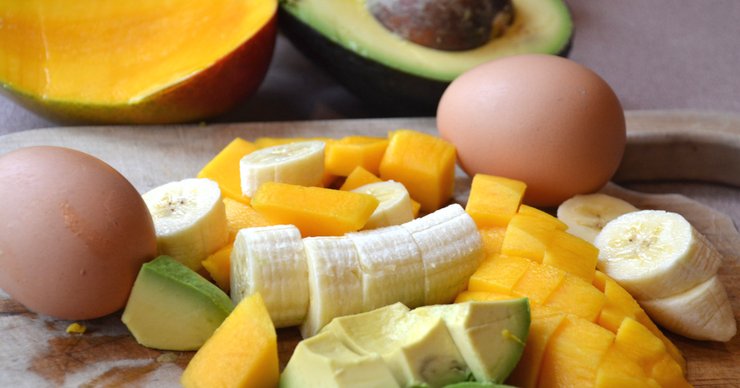
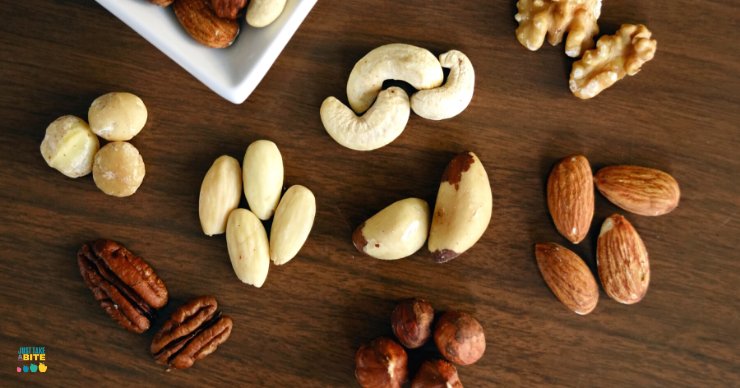
  • avocado
  • nuts
  • seeds
  • leafy greens
  • beans
  • molasses
  • dark chocolate
  • yogurt
  • fish

These are all delicious foods, and should be incorporated into your diet often. But even when eating some of these daily it can be hard for kids to have sufficient magnesium levels. Magnesium is used up very quickly since the body uses it for so many functions. It is also depleted by stress, anxiety, and sugar intake. So it’s hard to have sufficient levels from food alone.Growing pains, restless legs, trouble sleeping, muscle stiffness? Kiss your aches and pains goodbye with this super simple two-ingredient DIY magnesium lotion.

How to Increase Magnesium Levels in Kids

Thankfully, when it comes to magnesium, the best way to increase levels is through the skin! Which means no supplements or potential digestive upset. And no pills for kids!

There are a few options for topical magnesium, but magnesium lotion is the most effective and easiest way to increase magnesium levels in kids.

You can make your own lotion with a few simple ingredients (we like THIS two-ingredient magnesium lotion recipe and THIS DIY magnesium lotion recipe).

Or if you’re like most parents, and you just don’t have the time or energy, you can buy pre-made magnesium lotion.

There is only one brand I use on my kids – The Magnesium Lotion Shop.

This is a small, family-run company that uses high-quality, safe ingredients (only four total!). And the end product is amazing! It goes on easily and doesn’t itch. My kids use it almost daily!

You can grab a jar…or two or three…HERE. Trust me, you’ll want to stock up!

Does your child struggle with anxiety? Looking for a natural solution? Anxiety is often related to a mineral deficiency, particularly magnesium. Using magnesium lotion and/or magnesium supplements for kids can help relieve anxiety and calm the nervous system. No medications. No doctors. Just simple nutritent boosting. #anxiety #minerals #kidshealth #magnesium

Does Magnesium Reduce Anxiety in Kids?

As I mentioned earlier, I consider magnesium to be a miracle because of the impact it has had on my own health. My travel anxiety and digestive issues came to a head in my 20’s when I was diganosed with a rectal prolapse and had major colon surgery to correct it. Something that usually only happens in elderly people. I now know it was due to anxiety from digestive issues, which in turn put pressure on my bladder. The overactive bladder then made the anxiety worse, which made the digestive issues worse. It was a cycle I could not escape.

After over 30 years of struggling with anxiety and a fear of traveling, I figured out that I had very low magnesium. Not only was it a partial cause of my anxiety, it was also causing an imbalance with other minerals (for years I didn’t tolerate any high potassium foods) and my sluggish digestion.

After regularly using both magnesium lotion and a magnesium supplement, I now have much less anxiety. In fact, the last two times I’ve traveled I was actually MORE relaxed than at home. Not once my entire life has this happened! I was so relaxed that my digestion was almost perfect while we were away, and I had more fun than I’ve had in a long time. If you don’t believe me, just ask my husband. I’m sure he was amazed to not hear me complain about a stomach ache one single time!

The only thing that I wish I could change is figuring it out sooner. I wish that as a child I could have used magnesium to reduce my anxiety, aid my digestion, and help me enjoy life the way kids should.

I now use magnesium regularly with my own kids when they are dealing with anxiety. I also use it for growing pains, bed wetting, and insomnia. It has truly become a miracle for our whole family!

Additional Magnesium Sources for Kids

If you feel like lotion alone is not sufficient, you can add a magnesium supplement to your child’s diet. We use THIS powder mixed into water. My kids love it and ask for it almost every evening. If we miss a night my oldest can tell as she struggles to fall asleep.

Do your kids struggle with anxiety? If so, you’re not alone. But now you know there is something you can do about it! Get your anxiety-reducing magnesium lotion HERE.

Don't let those extra muffins go to waste! Whether they are getting stale or are starting to crumble, muffins make amazing bread pudding.

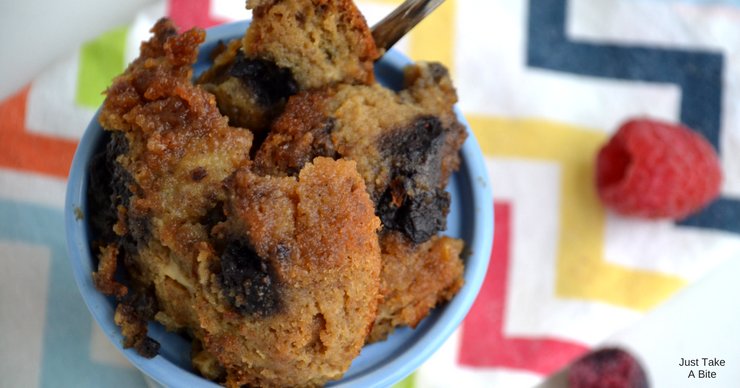
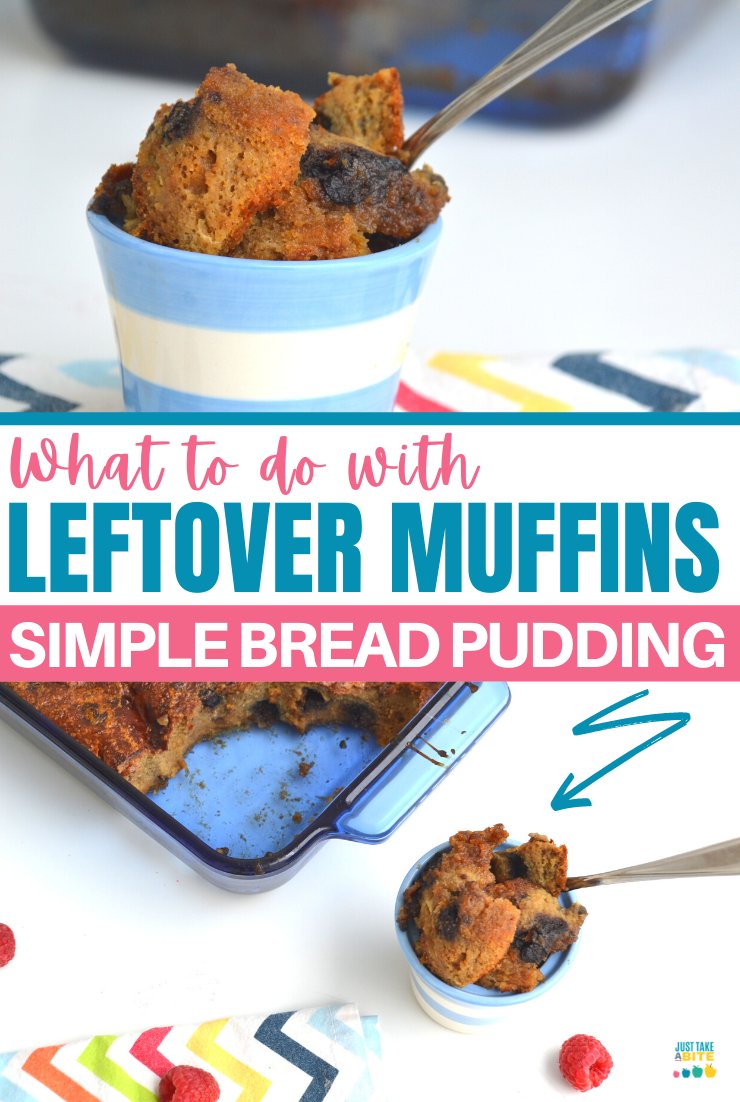
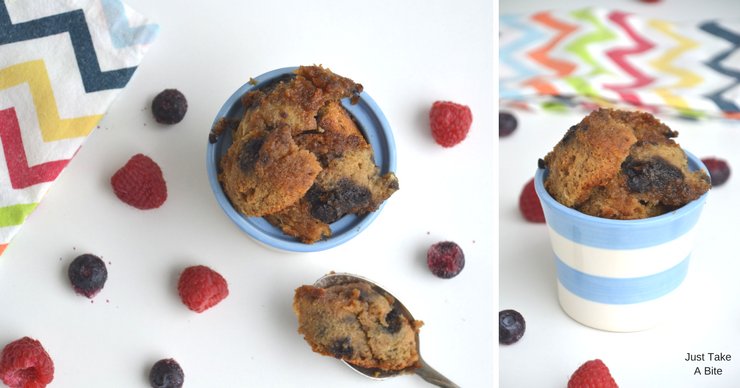
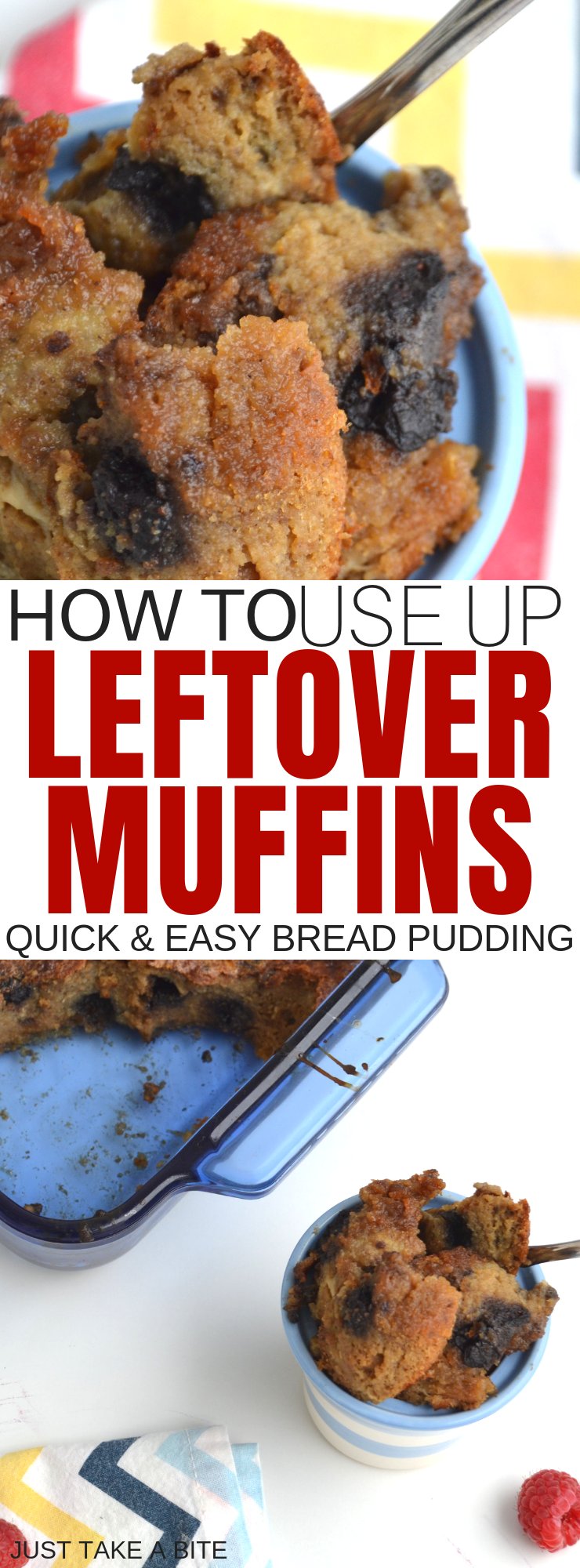
What To Do With Leftover Muffins…Make Leftover Muffin Bread Pudding!

Don’t let those extra muffins go to waste! Whether they are getting stale or are starting to crumble, leftover muffins make amazing bread pudding.Don't let those leftover muffins go to waste! Whether they are getting stale or are starting to crumble, leftover muffins make amazing bread pudding. #realfood #kidsinthekitchen #allergenfree #pickyeaters

Growing up there was a great debate in my house – should bread pudding have raisins or not?

The debate was between my big sister and me. As an Analytical Eater, I L-O-V-E chunks in my food. Bread pudding without a contrasting texture was too boring.

But my sister wanted nothing to do with raisins!

My poor mother. She never knew who to please. I’m sure we had it both ways many times.

In the end the bigger conundrum in my mind was why we didn’t get bread pudding more often!

What is Bread Pudding?

Bread pudding is sort of a misleading name. It’s not really pudding like we know it. No creamy chocolate dessert here. It’s more of a custard made with chunks of bread…or muffins!

You mix bread or muffins with eggs, milk, and some type of sweetener. When baked it creates a cake-like breakfast or dessert with a custard feel to it. The more eggs and milk you add, the more custard you get.

Why do Muffins Fall Apart?

How many ways can you mess up a batch of muffins? Far too many!

Muffins mishaps can be caused by too much or too little of a lot of things:

  • too little moisture (milk, water, or fruit/veggie purees) (crumble)
  • too few eggs (fall apart)
  • too many eggs (won’t fully bake)
  • not enough baking powder (stay flat)
  • not enough oil/fat (dry)
  • no binder (gluten, psyllium husk, flax seeds, gelatin) (fall apart)
  • overbeating (chewy)

Who knew something as simple as a muffin could cause such trouble?! But it happens to the best of us.

Sometimes it’s not even a bad batch of muffins that causes problems, but a lack of paying attention to them.

Normally when I bake muffins I use them for a couple breakfasts and freeze the rest to have later. But sometimes I get busy. And the muffins just sit there, staring at me for a week.

Or once in a while there is that batch of muffins that didn’t turn out quite right. That happens more than I care to admit with gluten-free baking! They are crumbly and messy and you just want to toss them. Don’t!

Use them to make muffin bread pudding!

Leftover Muffin Bread Pudding

Traditional bread pudding is made with chunks of bread. But it’s just as easy to make it with leftover muffins.

Bread pudding with muffins is simple to prepare. Just crumble the muffins (if they aren’t a big mess already!), mix them with eggs, milk, and sweetener, and bake! You can assemble a delicious dessert or breakfast in minutes.How to use up leftover muffins. Don't let those extra muffins go to waste! Whether they are getting stale or are starting to crumble, leftover muffins make amazing bread pudding. #leftovermuffins #simplefood #glutenfree #breadpudding

The next time you have a few leftover muffins turn them into something new.

It’s fun because you get a variety of flavors depending on the muffins. I have tried flavors like orange raisin and blueberry. These double raspberry chocolate chip muffins would make amazing bread pudding! If your muffins are kind of bland you can add extra fruit or dried fruit to the bread pudding to boost the flavor without adding refined sugar.

Easy Bread Pudding for One or For a Crowd

You can make leftover muffin bread pudding with a whole batch or just a few muffins. Enjoy it as a breakfast or dessert. I like to pour milk on top, like baked oatmeal.

I have fond memories of my mom serving bread pudding when I was a child. It was one of my favorite treats. But I don’t take the time to make it often these days. When I do, though, it’s usually using leftover muffins (these allergen-free blueberry muffins are perfect for making bread pudding!)

Kid-Friendly Bread Pudding with Muffins

My kids are very proficient in the kitchen thanks to the Kids Cook Real Food eCourse. My oldest is actually the muffin maker around here. Most of the time they turn out well. But once in a while we have a muffin flop. It’s part of the learning process.

Then all the kids can chip in to make leftover muffin bread pudding. The little one can have fun breaking or cutting muffins into chunks. While the older kids can practice cracking eggs, measuring ingredients and oven safety. Plus they get a delicious reward at the end. Muffin mistakes never tasted so good.

Not sure what to do with leftover muffins? Turn them into bread pudding – a delicious breakfast or dessert the whole family will love.

Don't let those leftover muffins go to waste! Whether they are getting stale or are starting to crumble, leftover muffins make amazing bread pudding. #realfood #kidsinthekitchen #allergenfree #pickyeaters

Leftover Muffin Bread Pudding
A simple breakfast or dessert using leftover muffins.
Write a review
Print
Ingredients
  1. Leftover muffins
  2. 2 eggs for every 4 medium-size muffins
  3. 1/2 cup milk for every 4 muffins
  4. 2 - 3 Tbsp. organic cane sugar, sucanat or coconut sugar (depends on the sweetness of the muffins) for every 4 muffins
  5. optional: fresh fruit, frozen fruit or dried fruit
Instructions
  1. Heat oven to 375 degrees F.
  2. Grease a baking dish.
  3. Add the eggs, milk and sugar (and fruit) to the baking dish.  Beat with a fork.
  4. Crumble the muffins and add to the dish.  Push the muffin pieces down to get fully coated.  If there is not enough moisture add extra milk.
  5. Adjust sweetness to taste.
  6. Bake for about 1 hour, until golden on top and baked through.
Notes
  1. Serve plain or with milk, yogurt or ice cream.
  2. Serve warm or room temperature.
Just Take A Bite https://justtakeabite.com/
How to use up leftover muffins. Don't let those leftover muffins go to waste! Whether they are getting stale or are starting to crumble, muffins make amazing bread pudding. #leftovermuffins #simplefood #glutenfree #breadpudding

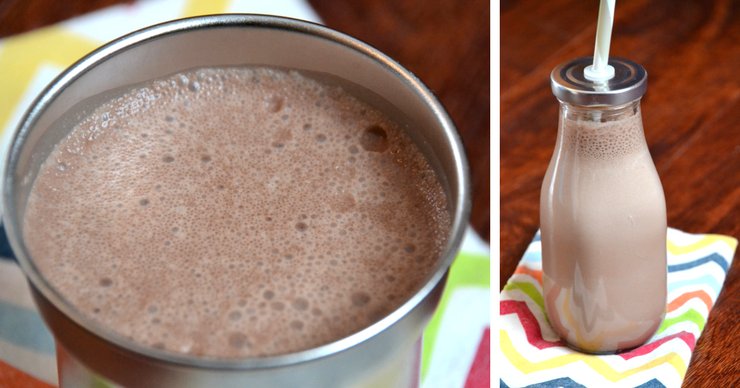
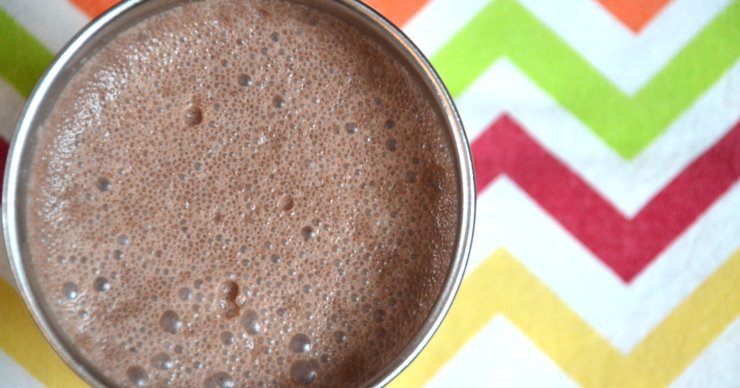
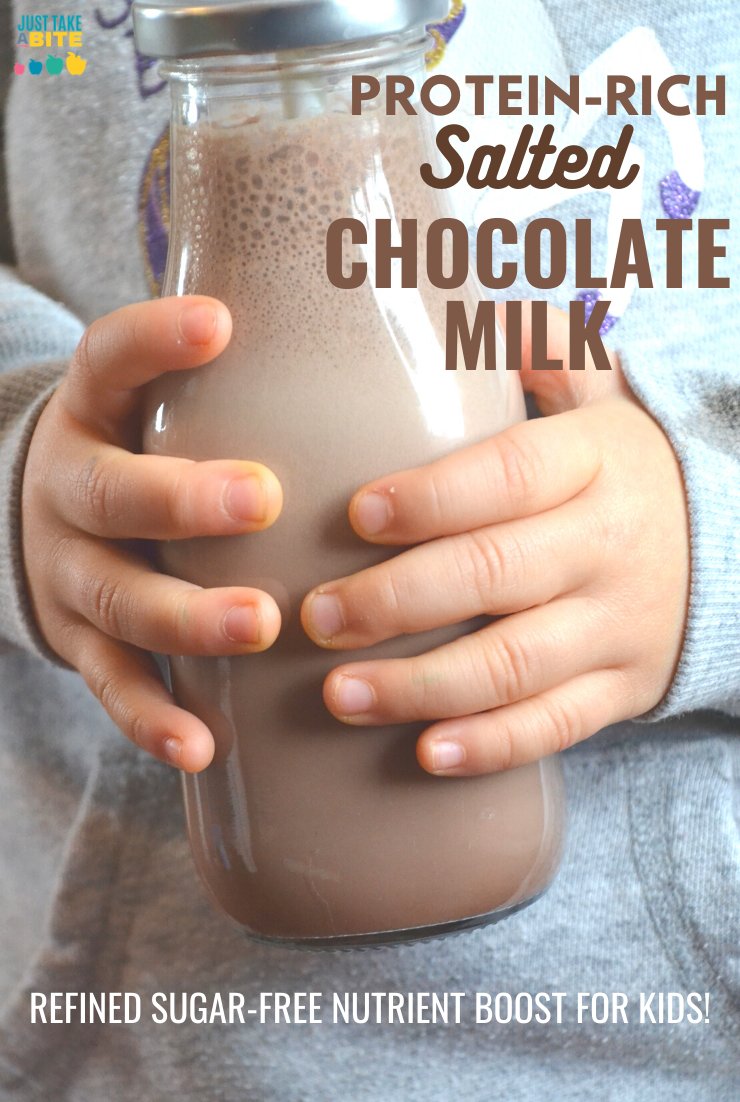
Protein-Rich Salted Chocolate Milk

Have a kid that won’t eat meat or isn’t getting enough protein? Chocolate milk to the rescue! This refined sugar-free protein-rich salted chocolate milk is perfect!

Need a delicious drink that is also nourishing and loaded with extra protein? This protein-rich salted chocolate milk is perfect for kids and adults!

When it comes to drinks in our house we basically have two options: milk or water.

It may seem boring. But really, we don’t need much else. Once in a while my kids get a little pure grape juice (if they are fighting a cold or if we are making our “smart water.”). And of course we do love our smoothies for added nourishment (check out my book full of recipes here!).

But if my kids are thirsty it’s generally water or milk.

Kid-Friendly Drink Without Refined Sugar

Then there are those days where we just want something a little extra. Or maybe my Intuitve Eater is in one of her “I don’t want to eat much” slumps. And I have to be sneaky.

That’s when I bust out the chocolate milk! Who doesn’t love chocolate milk? I know I sure do!Healthy Chocolate Milk for Kids with a protein boost!

Protein-Rich Drink for Kids

My version of chocolate milk is taken to a new level with extra protein from grassfed collagen (THIS is the brand we use – use TAKE10 to get 10% off). It blends right in with no added taste. Plus it’s loaded with a whole array of essential amino acids.

The kids and I have been studying human anatomy and physiology for science this year. Our unit on nutrition introduced us to amino acids and how they are the building blocks of protein. And they are so important! So when I showed the collagen container to my oldest she was fascinated to look at the amino acid profile. Science lesson built in to making chocolate milk!

The good stuff doesn’t stop there. We are big fans of adding salt to chocolate. When I say salt I mean real, unrefined sea salt (like this). Not only does it contain a broad spectrum of minerals, it is also hydrating/good for balancing electrolytes and delicious! We even use it to make salted dark chocolate ice cream, healing hot cocoa and salted honey chocolates . Salt and chocolate go so well together.

To really boost nutrition we like to add probiotics and raw egg yolks (from our own free-range chickens). So you are getting extra protein, essential minerals, probiotics, and vitamins! All in a glass of chocolate milk. It’s a mom win!

If you like your chocolate milk a bit thicker, like a shake, you can add a little banana and/or avocado.Need a delicious drink that is also nourishing and loaded with extra protein? This protein-rich salted chocolate milk is perfect for kids and adults!

Healthy Chocolate Milk

When I gave this protein-rich salted chocolate milk to my daughter she had two comments:

  1. Does this have salt?! Yum! When can we make salted chocolate ice cream?
  2. You have to make this every single day!

How to get Kids to Eat Enough Protein

My youngest can be really picky when it comes to meat. Veggies? She’ll out eat anyone. Meat? Turns up her nose. We have to bribe her to take bites of meat…then she can have thirds of veggies! For real. So I’m always glad when I can sneak in extra protein for her in something so delicious like chocolate milk. Collagen is a great way to do this. A scoops gives her the protein boost her little body needs. Added to the raw milk and egg yolks it makes a complete protein.

Her ideal meal is a huge pile of vegetables with a glass of salted chocolate milk. And I love to give it to her.

Quick & Easy Nutrition for Kids

It only takes about three minutes to make salted chocolate milk (mostly just the time required to gather ingredients). Older kids can make it themselves. My six and nine-year-olds know how to separate egg yolks thanks to the Kids Cook Real Food eCourse. My three year-old loves to help with the blender. It’s a family event! And we all enjoy the reward at the end.

The next time you’re in a beverage rut or your kids need a little protein boost, make a batch of salted chocolate milk. Use your favorite milk and some grassfed collagen to blend a nourishing drink the whole family will love.Need a delicious drink that is also nourishing and loaded with extra protein? This protein-rich salted chocolate milk is perfect for kids and adults!

Protein-Rich Salted Chocolate Milk

A nourishing drink filled with extra protein and minerals.

Prep Time 5 minutes
Servings 2
Author Mary | Just Take A Bite

Ingredients

  • 2 cups raw whole milk, full fat coconut milk, almond milk, or rice milk
  • 2 Tbsp. organic cocoa, carob, or cacao powder
  • 2 Tbsp. maple syrup or raw honey
  • 1/4 tsp. unrefined sea salt
  • 2 Tbsp. collagen
  • 1 capsule probiotics optional
  • 1/2 medium banana optional
  • 1/4 avocado optional
  • 1-3 egg yolks from free-range chickens

Instructions

  1. Combine all of the ingredients in a high-powered blender.

  2. Blend on high until well combined.

  3. Serve immediately.

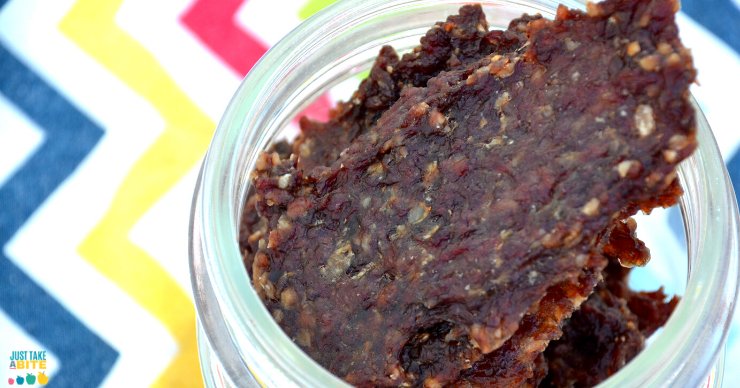
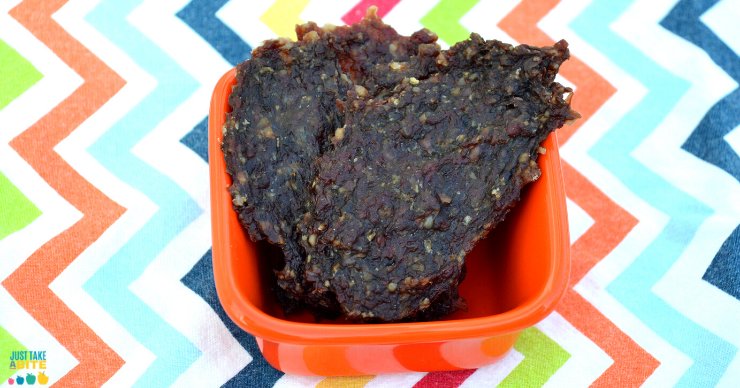
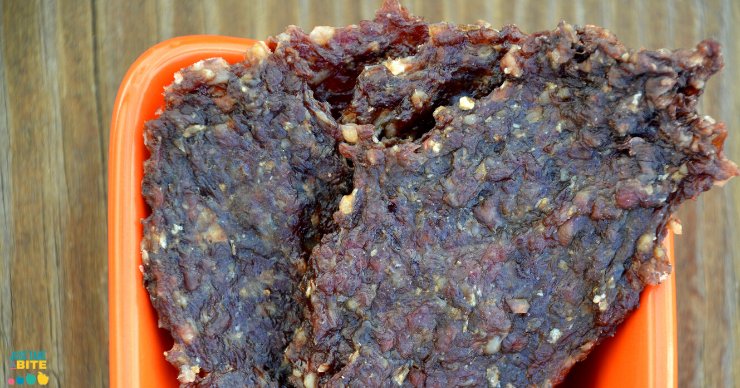
Homemade Ground Beef Jerky

Soy-Free and Coconut-Free Homemade Ground Beef Jerky

When you’re working around allergies, it can be hard to find easy and nutritious snacks, especially with protein. This homemade ground beef jerky is simple and safe for the whole family.

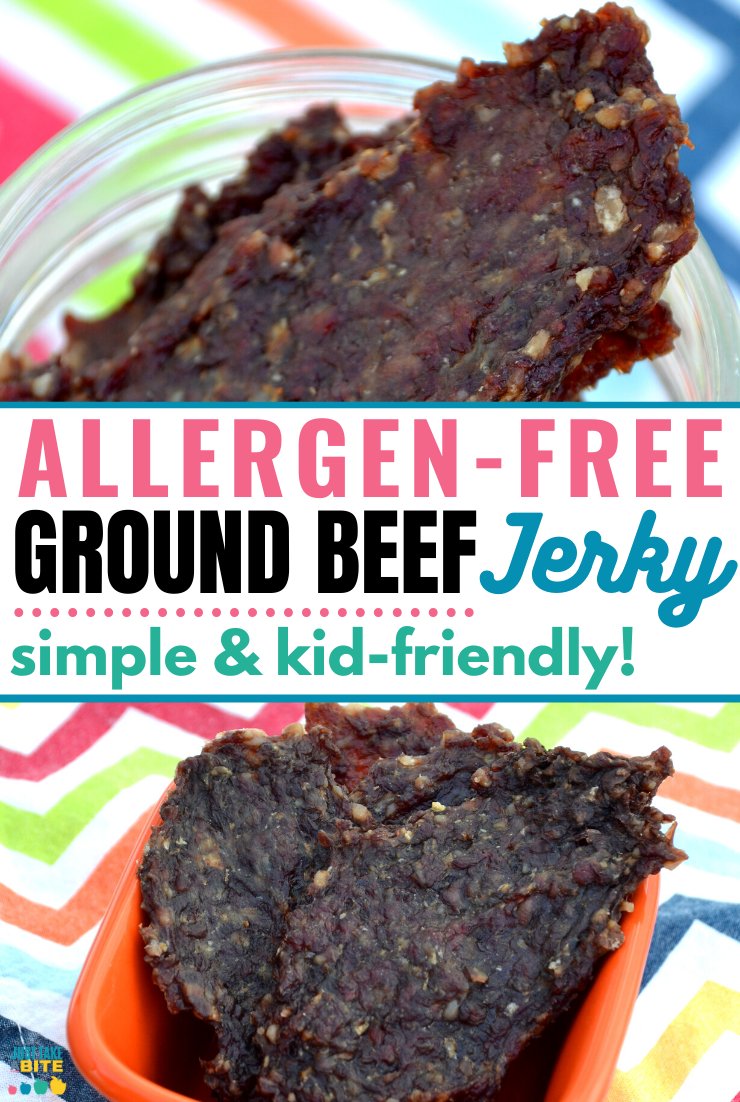
Allergen-Free and Kid-Friendly Homemade Ground Beef Jerky

One of the biggest struggles of having children with allergies is finding easy sources of protein.

Our allergies include nuts, dairy, beans and eggs. So basically it’s meat or nothing. And I don’t know about you, but I just don’t feel like cooking meat for every meal of the day!

But as a Nutritional Therapy Practitioner, I know just how important it is to get adequate protein for blood sugar regulation (think hangry!) and to help kids grow and develop well.

Allergen-Free Protein Options

I do let my kids have sunbutter (we LOVE this brand that is made in a peanut and tree nut free facility!). But it really doesn’t have that much protein. And I only give it every four days to stick with our rotation diet. I also do sardines and anchovies about once a week. Although they are super nutritious, that gets expensive!

When it comes to lunches and snacks I stick to easy. And the usual easy protein sources aren’t options. Most days there is enough leftover from the previous night’s dinner that it’s not a problem.

But sometimes there’s not.

The solution?

Homemade Ground Beef Jerky

I did some research to find a recipe…and couldn’t find one. Most of them use either soy sauce or coconut aminos. When you can’t use soy or coconut that just doesn’t work. Plus I really had no desire to go to the store or buy specialty items.

So I came up with my own recipe using just a few simple and nourishing ingredients. To my great delight this ground beef jerky turned out great!Allergen-Free and Kid-Friendly Homemade Ground Beef Jerky

Soy-Free Beef Jerky

My biggest surprise…my one year old was the child that liked it the best! She ate almost the whole batch (don’t worry, not in one day). My husband and I love it too!

It is so easy to stick in the diaper bag when running errands. No mess. No refrigeration. Just a simple, healthy snack that is free of allergens and easy enough for a one year old to eat. Perfect!

You can adjust the salt and sugar to your liking. I like a lot of salt. You can also add liquid smoke for a smokey flavor. If you really want to bump up the nutrition you can even add desiccated liver! (Use the code TAKE10 for 10% off)

Allergen-Free and Kid-Friendly Homemade Ground Beef Jerky

What is the Best Meat for Beef Jerky?

Ground beef is the easiest meat to work with and makes the easiest to eat beef jerky (trust me, I tried other meat first…and I could barely chew that batch).

Not a fan of beef? Swap it for ground pork, chicken or turkey!

This ground beef jerky is perfect for school lunches or summer picnics. Make a big batch and store it in the freezer. Grab as much as you need any time. It thaws in about sixty seconds.

Is it Cheaper to Make Your Own Beef Jerky?

The other thing I love is how affordable this beef jerky is. I use grassfed ground beef. No fancy steaks. So a whole batch only costs about $6.00 (including the other ingredients)…and makes at least 30 good size pieces of jerky!

We recently bought some locally-made beef jerky. It came in a tiny package and cost about $8.00. Plus my kids thought it was too spicy. I don’t think I’ll be doing that again.

Can You Make Beef Jerky Without a Dehydrator?

Most homemade beef jerky recipes use a dehydrator. But it is possible to make beef jerky in the oven. Simply spread the meat in small strips on a baking sheet and bake it at a very low temperature (around 200 degrees F). Check it every hour for doneness.

What are your go-to allergen-free snacks?

If you’re like me and always trying to figure out an easy snack that is healthy, satisfying and free of allergens you’ve found it. Ground beef jerky is perfect for the whole family. Put it at the top of your allergy-friendly snack list! Homemade lunch meat is a great option too.Allergen-Free and Kid-Friendly Homemade Ground Beef Jerky

Easy, Allergen-Free Ground Beef Jerky

Homemade beef jerky made with ground meat and free of allergens, including soy and coconut!

Prep Time 10 minutes
Cook Time 12 hours
Servings 30 pieces
Author Mary | Just Take A Bite

Ingredients

  • 1 lb. ground beef, pork, chicken, or turky
  • 1/2 cup gelled beef, pork, chicken, or turkey broth
  • 1/3 cup honey, maple syrup, or molasses
  • 4 tsp. unrefined sea salt
  • 2 tsp. Perfect Supplements Desiccated Liver Powder optional

Instructions

  1. Combine all of the ingredients in a large bowl. Cover and refrigerate for 2 - 8 hours.

  2. Spread strips of marinated meat onto dehydrator trays using 1-2 Tbsp. of meat each (thinner is better when spreading. Hands work best to spread it).

  3. Dry at 155*F for about 12 hours, checking every hour after 6 hours for doneness.

  4. Allow to cool and store at room temperature for up to a week, in the refrigerator for up to 3 weeks or in the freezer for up to a year.

Recipe Notes

Easy Gluten-Free Sourdough Bread | Allergen-Free and Kid-Friendly!

Easy Gluten-Free Sourdough Bread | Great for Kids!

Looking for gluten-free sourdough bread that is allergy-friendly, kid-friendly and easy to make? This is it! Just a few minutes of hands-on time gives you delicious gluten-free sourdough without gums.

Easy Gluten-Free Sourdough Bread | Allergen-Free and Kid-Friendly!

One of my first kitchen experiments when I had just entered the world of real food was sourdough bread. I had some experience with bread-baking. But the idea of sourdough seemed daunting.

Flour and water come to life? You have to feed your food?

That sounded like something to either totally mess up or poison my family with!

But I love a good challenge. So I decided to try it anyway.

What is Sourdough?

The first step of the process was to understand what sourdough is. Sourdough is made by the fermentation of dough using naturally occurring lactobacilli and yeast.

In simpler terms, mixing flour and water creates bacteria and natural yeast that breaks down glucose and phytates in the grains, while providing natural leavening.

Sourdough contains lots of good bacteria that produce enzymes to break down phytic acid and help digestion.

Sourdough bread can also be helpful for anyone with blood sugar issues as the resistant starch helps slow absorption of the carbohydrates.

Does Sourdough Bread Contain Yeast?

Most bread contains a cultivated yeast – baker’s yeast. Sourdough bread, on the other hand, uses a natural yeast. There is no need to add yeast to sourdough bread. The fermentation of the grains provide sufficient leavening.

That being said, when it comes to gluten-free sourdough bread, the natural leavening is often not sufficient. I have baked far too many loaves that rose beautifully, only to sink down while baking.

So I add just a bit of baking powder to maintain the rise.

Easy Gluten-Free Sourdough Bread | Allergen-Free and Kid-Friendly!

How to Make A Gluten-Free Sourdough Starter

Sourdough bread requires a starter. You can buy a starter or find a friend that is willing to share. But it’s actually really easy to make one! As long as you don’t expect to make a loaf of bread the same day.

A lot of gluten-free baking is quite different from baking with wheat. Thankfully making a gluten-free sourdough starter uses the exact same process as it would if you were using wheat or rye. Sometimes you may want to feed a gluten-free starter more frequently to get it bubbling well.Easy Gluten-Free Sourdough Bread | Allergen-Free and Kid-Friendly!

The basic process is combining flour and water until it starts to bubble. This can take anywhere from two days to a week, depending on what grains you use.

  1. Start by mixing equal amounts of water and flour (1/4 – 1/2 cup is good to start). Cover and let sit 12 hours.
  2. Add equal amounts of water and flour again (1/4 cup works well). Cover and let sit 12 hours.
  3. Add equal amounts of water and flour again (1/4 cup). Cover and let sit 24 hours.
  4. Repeat this process until the mixture starts to bubble. That is your starter.
  5. Use some of the starter in a recipe or store it, covered in the fridge.
  6. Any time you use your starter be sure to feed it again.
  7. If you are going to be using your starter, feed it 2-12 hours beforehand to get it good and bubbly and to be sure you have enough for your recipe.

Easy Gluten-Free Sourdough Bread | Allergen-Free and Kid-Friendly!Which Grains Work Best for Gluten-Free Sourdough?

Just about any grain can be used for gluten-free sourdough. Some common grains that are easy to work with are:

  • brown rice
  • teff
  • sorghum
  • buckwheat

Most sourdough starters use only a single grain. You can have multiple starters to utilize a variety of grains.

I use mostly sorghum and brown rice. I use them interchangeably in my one starter.

Easy Gluten-Free Sourdough Bread | Allergen-Free and Kid-Friendly!

Easy Gluten-Free Sourdough Bread

A gluten-free sourdough starter works the same way as the wheat version, but the bread does not. I tried numerous gluten-free sourdough bread recipes that utilized different techniques and grains.

One was a brick. One was goopy. Some just sunk down. We ate a lot of sub-par bread along the way!

In the end I went back to my usual mantra that simple is the best. No gums. No need to combine five different flours.

This simple gluten-free sourdough bread takes about five minutes to mix up. Then it can rise anywhere from 8 – 24 hours.

The dough will not feel like regular bread. It will be sort of fluffy. And you will likely think you totally messed it up. But don’t worry. It will rise up nicely in the oven.

Adding psyllium husk powder to gluten-free sourdough keeps the bread soft (and is why you see a bit of marbling in the bread).

Easy Gluten-Free Sourdough Bread | Allergen-Free and Kid-Friendly!

5 from 1 vote
Print

Easy Gluten-Free Sourdough Bread

Prep Time 10 minutes
Cook Time 1 hour
Servings 12 slices
Author Mary | Just Take A Bite

Ingredients

  • 1 1/2 cups brown rice or sorghum sourdough starter
  • 1 1/2 cups water
  • 2 1/2 Tbsp. psyllium husk powder
  • 1 1/4 cups sorghum flour
  • 1/4 cup white rice flour
  • 2 Tbsp. honey
  • 3 Tbsp. olive oil
  • 1 tsp. salt
  • 1/2 tsp. baking soda
  • 1/2 tsp. baking powder

Instructions

  1. 2-12 hours before making the bread, feed your starter so you have at least 2 cups.

  2. In a large bowl combine the starter and water.

  3. Very gradually whisk in the psyllium husk powder so that it doesn't clump.

  4. Whisk in the honey and oil.

  5. Add the sorghum flour, rice flour, and salt. Mix well. The mixture should be sort of fluffy/clumpy.

  6. Cover and let rise 8-24 hours (the longer it rises, the more sour the bread will be)

  7. When ready to bake, heat the oven to 350 degrees F.

  8. Grease a medium-size loaf pan (4.5 x 8.5 in. / 1.5 qt)

  9. Sprinkle the baking soda and baking powder on top of the risen dough.

  10. Quickly mix in thoroughly (hands work well for this), distributing the soda/powder throughout.

  11. Place the dough in the prepared pan and gently press in.

  12. Bake for 1 hour.

  13. Immediately remove the bread from the pan and allow to cool completely before slicing.

  14. Store in a bag or sealed container at room temp for up to a week or in the freezer for up to a year.

What Does Gluten-Free Sourdough Bread Taste Like?

This version of gluten-free sourdough bread does have a different texture than traditional wheat sourdough. It’s sort of in-between a yeast bread and a sweet bread.

The bread is very soft and can easily be used for sandwiches, grilled cheese, french toast, or whatever else you like to make with bread.

Gluten-free sourdough bread can have a mild flavor or a very sour flavor depending on the rise time. I typically let it rise for about 12 hours, and my kids tell me it’s a bit on the sour side for them. You can add a little more honey or some molasses to keep the flavor mild while still getting a good ferment.

Easy Gluten-Free Sourdough Bread | Allergen-Free and Kid-Friendly!Does Gluten-Free Sourdough Bread Toast Well?

Initially I was disappointed with my gluten-free sourdough bread because it is so soft. As an Analytical Eater, I need crunch in my food. I love very toasted bread.

But I found a solution!

This gluten-free sourdough bread has more moisture than a traditional loaf. So it requires a longer toast time to compensate. I actually prefer to bake an individual slice instead of toasting it. Ten minutes in the toaster oven at 400 degrees F gives that perfect, crispy crust. You know it’s good when you can hear it while you spread butter.

My kids love it toasted with either butter or sunbutter and a little drizzle of raw honey. I like it toasted with butter, sunbutter and some zucchini cheese slices that start to get melty from the heat.

How Long Does Sourdough Bread Last?

Since gluten-free sourdough bread is already fermented, it stays fresh at room temperature for quite a while. It will stay good on the counter (in a bag or container) for about a week.

I don’t think a loaf ever lasts that long for us. Sometimes it’s gone in two days! But if you don’t think you’ll use it all in a week you can freeze it for long-term storage. If you slice the bread before freezing you can take it out one slice at a time as needed.

Is Sourdough Bread High Histamine?

Anything fermented contains histamine. So if you have histamine intolerance, you should use caution with sourdough bread – even if it is gluten-free.

That being said, everyone is different. You need to experiment and see what your body tolerates. I’ve dealt with histamine intolerance for quite some time, but I do fine with gluten-free sourdough bread.

Easy Gluten-Free Sourdough Bread | Allergen-Free and Kid-Friendly!Does Sourdough Bread Contain Gluten?

This might seem like a silly question in a post about gluten-free sourdough bread. But I do want to clarify some misconceptions.

Traditional wheat or rye sourdough does contain gluten. The fermentation process does not remove the gluten.

That being said, many individuals that are sensitive to gluten can tolerate traditional wheat or rye sourdough. Why is that? 

The bacteria in sourdough break down some of the carbohydrates and protein in the grains. This includes breaking down fructan, a carbohydrate found in wheat. Many individuals that are sensitive to gluten are actually sensitive to specific carbohydrates, such as fructan.

My daughters are gluten-free but tolerate wheat sourdough just fine. My sons, on the other hand, have to stick to strict gluten-free. It’s worth experimenting to see what your body tolerates. Making sourdough bread with an ancient wheat variety like Einkorn is another option for many that are sensitive to gluten.

Gluten-Free Sourdough for Kids

Most kids like bread. They like toast, sandwiches, grilled cheese – all of it. So why not make it the healthiest bread possible?

Gluten-free sourdough bread contains healthy bacteria and is easy on those that have digestive complaints. Plus it helps absorb key vitamins and minerals!

Gluten-free sourdough bread is a great addition to a healthy diet for kids!

Are you gluten-free? Have you ever tried gluten-free sourdough?