Home » Archives for Mary | Just Take A Bite » Page 5

Author: Mary | Just Take A Bite

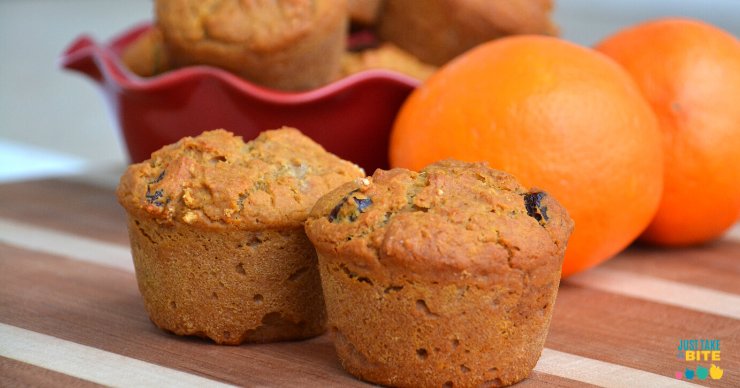
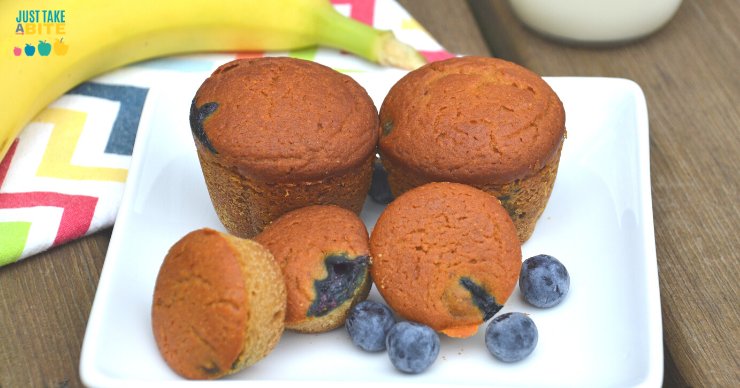
Looking for an easy, egg-free snack or breakfast? These naturally sweetened gluten-free orange raisin muffins are the perfect hand-held treat that both kid and adults love!

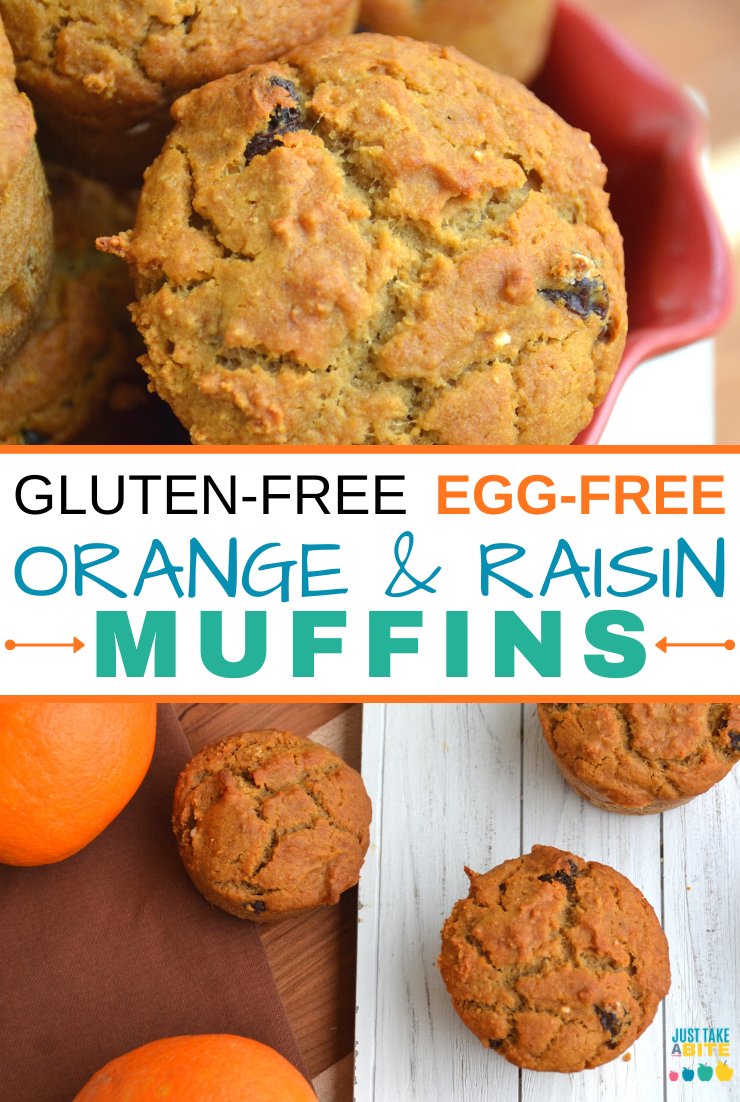
Gluten-Free Egg-Free Orange Raisin Muffins

Looking for an easy, egg-free snack or breakfast? These naturally sweetened gluten-free orange raisin muffins are the perfect hand-held treat that both kid and adults love! Free of eggs, dairy, gluten, and nuts, these muffins are very allergy friendly! Looking for an easy, egg-free snack or breakfast? These naturally sweetened gluten-free orange raisin muffins are the perfect hand-held treat that both kid and adults love!

Not sure if it’s just my kids or a kid thing in general, but my kids LOVE muffins. Really any hand-held, round bread. If I make sourdough bread, they enjoy it. If I make sourdough rolls you’d think I hadn’t fed them in three days the way they eat them.

I guess kids just like to eat with their hands. Which explains why my kids refuse to use utensils no matter what kind of food they are eating.

But muffins are definitely a favorite around here.

Which is why I find myself baking muffins a LOT!

Egg Sensitivity in Babies

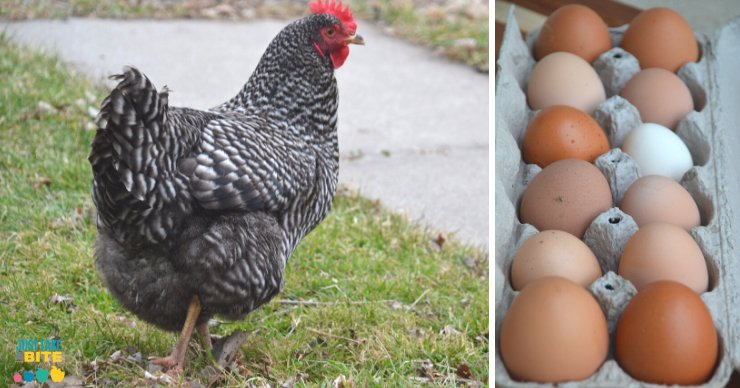
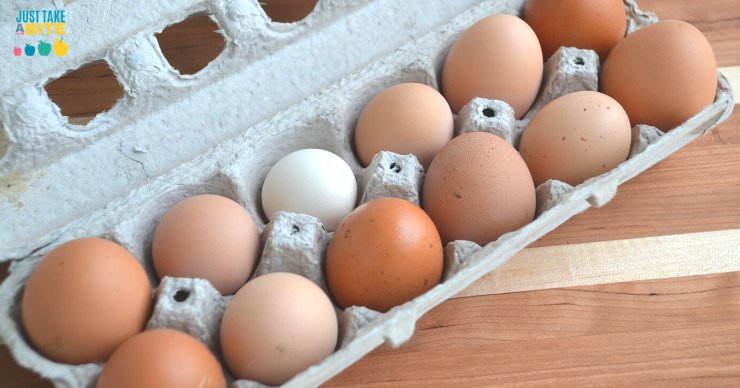
A few months ago I had to cut eggs back out of my diet and my toddler’s diet. We were off eggs for about a year (almost since birth) and then reintroduced them. I think eggs are one of the most nutrient-dense foods on the planet. But as much as I love eating the eggs fresh from our hens, they were giving my son a diaper rash. They were also giving me phlegm in my throat on a daily basis.

Eggs seem to be a common sensitivity in babies these days. It’s unfortunate since eggs provide many essential vitamins and minerals.Looking for an easy, egg-free snack or breakfast? These naturally sweetened gluten-free orange raisin muffins are the perfect hand-held treat that both kid and adults love!

Some people can tolerate eggs in baked goods even if they can’t eat plain eggs. But we are generally not that fortunate. If a food is bothersome at all…it has to be cut completely. For some reason it seems to be worse when my kids are very young too.

My five-year-old was egg-free for at least the first two years of life. Now she can eat them every day!Looking for an easy, egg-free snack or breakfast? These naturally sweetened gluten-free orange raisin muffins are the perfect hand-held treat that both kid and adults love!

Egg-Free Muffins

Eliminating eggs from your diet definitely eliminates some food options. This includes not only egg dishes, but many baked goods. Yes, our beloved muffins had eggs!

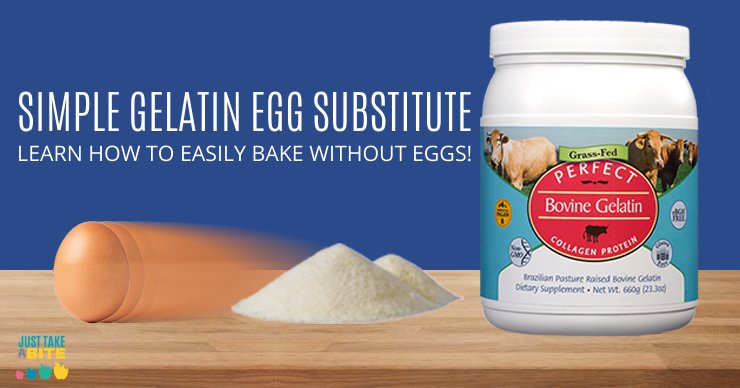
Thankfully there are some great egg substitutes for baking. My favorite way to bake egg-free is with gelatin.

That is exactly what I do in these allergen-free orange raisin muffins.

Mix the juice of a couple oranges with gelatin. Then add hot water to dissolve. It’s the perfect binder to make egg-free muffins.


Make sure you use high quality gelatin in your baking. We always use Perfect Supplements gelatin. It is the only gelatin that is certified glyphosate free. You can stock up on Perfect Supplements gelatin HERE with the code TAKE10 for 10% off your order.


Baking Without Refined Sugar

An added bonus of these orange muffins is that they contain no refined sweeteners. Maple syrup or honey combined with orange juice provides plenty of flavor and sweetness.

The raisins add a little extra natural sugar as well. Dried cranberries or even mini chocolate chips would work too.

We prefer to top gluten-free orange muffins with a generous pat of butter to help metabolize the carbohydrates. The flavor contrast with the salty butter and sweet orange is another plus.

Looking for an easy, egg-free snack or breakfast? These naturally sweetened gluten-free orange raisin muffins are the perfect hand-held treat that both kid and adults love!Easy Allergen-Free Snack for Kids

Gluten-free orange raisin muffins make a great addition to a quick weekday breakfast, a mid-morning snack, or packed up in a lunch box.

Combine it with a nourishing drink, a bowl of soup made with bone broth, or another form of protein and fat like bacon, sunbutter, or sausage. You really can’t go wrong!

Grab a couple organic oranges, some Perfect Supplements gelatin, and your favorite gluten-free flour blend and whip up a batch of egg-free orange raisin muffins today!

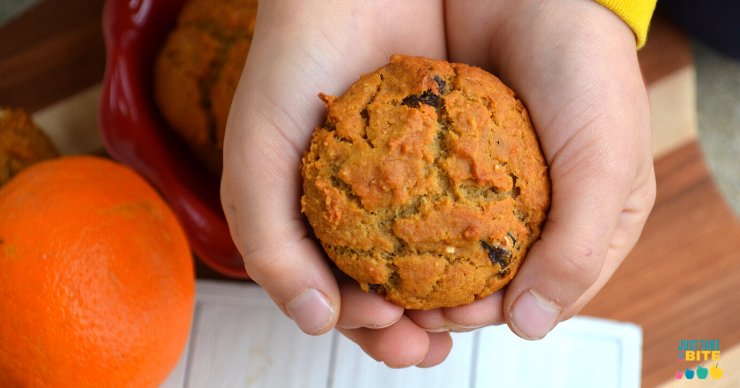
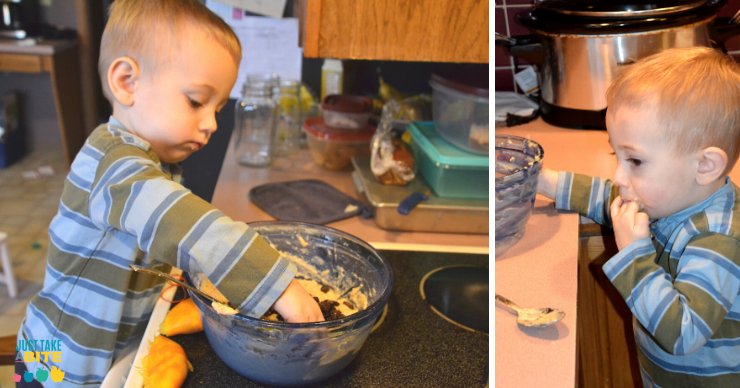
It also helps to have a very cute assistant for quality control. My toddler gave these muffins his seal of approval!Looking for an easy, egg-free snack or breakfast? These naturally sweetened gluten-free orange raisin muffins are the perfect hand-held treat that both kid and adults love!

5 from 1 vote
Print

Gluten-Free Egg-Free Orange Raisin Muffins

A quick allergen-free muffin with no refined sweeteners and a bright orange flavor.

Course Breakfast, Snack
Prep Time 10 minutes
Cook Time 40 minutes
Servings 12
Author Mary | Just Take A Bite

Ingredients

  • 1 cup white rice flour
  • 1/2 cup sorghum flour
  • 1/2 cup amaranth flour
  • 1 tsp. psyllium husk
  • 1/2 tsp. unrefined sea salt
  • 1 tsp. baking soda
  • 1 tsp. baking powder
  • 3/4 cups unsweetened applesauce
  • 2 organic oranges juice (about 1/2 cup) and zest
  • 1/3 cup avocado oil or olive oil
  • 6 Tbsp. maple syrup or honey
  • 3 tsp. gelatin
  • 1/4 cup hot water
  • 1/4 cup raisins, cranberries, or chocolate chips optional

Instructions

  1. Heat oven to 350 degrees F.

  2. Line or grease a 12-cup muffin tin.

  3. In a large bowl combine the flours, psyllium husk, salt, baking soda, baking powder, and orange zest.

  4. Add the applesauce, oil, and maple syrup. Mix well.

  5. In a small bowl combine the gelatin and orange juice (about 1/2 cup). Let sit 1 minute.

  6. Add the hot water to the gelatin mixture and stir until dissolved.

  7. Immediately add to the batter and mix well.

  8. Stir in raisins.

  9. Fill muffin cups 3/4 full.

  10. Bake 35-40 minutes, until golden.

Recipe Notes

This makes 12 large muffins, 16 medium-size muffins, or 24 mini muffins.

Working around egg allergies can be tricky. In this tutorial I'll show you how to bake without eggs by using a simple gelatin egg substitute. Convert your favorite baked good recipes into egg-free versions with a couple little tweaks.

How to Bake Without Eggs | A Simple Gelatin Egg Substitute

Working around egg allergies can be tricky. In this tutorial I’ll show you how to bake without eggs by using a simple gelatin egg substitute. Convert your favorite baked good recipes into egg-free versions with a couple little tweaks. Working around egg allergies can be tricky. In this tutorial I'll show you how to bake without eggs by using a simple gelatin egg substitute.

Gluten-free baking can be tricky. You have to learn what flours go well together. You need to learn the correct ratios of starch to fiber. But once you get the hang of it, you can make some pretty amazing baked goods.

Until you have to eliminate eggs.

Eggs can make or break allergen-free baked goods.

Have you ever seen a recipe that uses coconut flour? It’s usually loaded with eggs.

Many wheat alternatives simply don’t have the ability to bind. And that is where eggs come in. They are the glue that holds gluten and grain-free baked goods together.

What Can Be Used Instead of Eggs in Baking

As a mom of kids with allergies, I’m thankful there are quite a few options for egg replacements in baking. These include:

  • chia seeds
  • flax seeds
  • JUST egg
  • applesauce
  • banana
  • yogurt
  • nut or seed butter
  • psyllium husk
  • gelatin

They all have their place in certain recipes. But commercial egg replacers are usually loaded with unhealthy processed vegetable oils. And sometimes you either don’t have another substitute on hand or your kids are allergic to those as well!

That’s why my go-to egg substitute is gelatin.Working around egg allergies can be tricky. In this tutorial I'll show you how to bake without eggs by using a simple gelatin egg substitute. Convert your favorite baked good recipes into egg-free versions with a couple little tweaks.

How to Replace Eggs with Gelatin

Gelatin is protein. So it is very similar to real eggs in that sense. Gelatin is also easy to have on hand at all times as it doesn’t go bad. No refrigeration needed. No fear of it going rancid.

My general rule of thumb is one to two teaspoons of gelatin replaces one egg.

Simply mix the gelatin with a small amount of cold liquid (water, milk, etc.). Then dissolve it completely with hot water and add to your batter.

It’s really that simple!Working around egg allergies can be tricky. In this tutorial I'll show you how to bake without eggs by using a simple gelatin egg substitute.

Gelatin Egg Substitute

Gelatin isn’t a straight substitute for eggs since eggs contain more than just protein. So I always compensate by adding a little extra fat (oil, butter, etc.) to my recipe when baking egg-free.

That combination of protein and fat works really well in most baked goods.

Sometimes I also add a little psyllium husk for binding. Gelatin, fat, and psyllium husk mimic the properties of an egg very well.

Working around egg allergies can be tricky. In this tutorial I'll show you how to bake without eggs by using a simple gelatin egg substitute. Convert your favorite baked good recipes into egg-free versions with a couple little tweaks.Egg-Free Baked Goods

Most baked goods require you to add the eggs at the beginning of the recipe.

The opposite is true when using a gelatin egg substitute. Adding the gelatin mixture at the end is preferred. This keeps the gelatin from gelling before baking.

Since it can be tricky to get the hang of egg-free baking, it’s best to start with a tested recipe that you can follow. Over time you’ll be able to confidently replace eggs in any of your favorite baked goods.

How to Bake Without Eggs

Here is the breakdown of baking with a gelatin egg substitute.

Gelatin Egg Substitute

Prep Time 2 minutes
Servings 1 egg

Ingredients

  • 1 1/2 tsp. grass-fed gelatin
  • 1/4 cup cold liquid (water, milk, juice, applesauce)
  • 1/4 cup boiling water
  • 1/2 tsp. psyllium husk optional
  • 2 tsp. avocado oil, olive oil, butter, or coconut oil optional

Instructions

  1. Add the psyllium husk and oil into the batter of whatever you're making.

  2. After all other ingredients have been combined, mix the gelatin and cold water/milk/juice.

  3. Let sit 1 minute.

  4. Add the hot water to the gelatin mixture and stir to dissolve.

  5. Immediately add the gelatin mixture to the batter and mix well.

  6. Proceed with the baking instructions of your recipe.

Recipe Notes

The cold water/milk/juice should be some of the liquid already called for in the recipe to avoid too much liquid.

This replaces 1 egg.

Working around egg allergies can be tricky. In this tutorial I'll show you how to bake without eggs by using a simple gelatin egg substitute.How to Bake Egg-Free Cake

One of the most common needs for egg-free baking is cake. Yes, even kids with egg allergies want cake for their birthdays!

Thankfully gelatin eggs work really well in egg-free cake.

Some of my favorite egg-free cake and muffin recipes include:

And many others are easily adaptable using this gelatin egg substitute!

What Desserts Do Not Contain Eggs?

If you are intimidated by any kind of egg substitute, rest assured there are plenty of delicious desserts that are naturally egg-free.

What is the Best Gelatin?

When it comes to gelatin, there is really only one option in my mind. We always use Perfect Supplements gelatin.

This is the only gelatin in the world that is certified glyphosate free! That is pretty amazing.

Want to know what else is amazing? You can get 10% off Perfect Supplements gelatin or any of their other great products using the code TAKE10.

Stock up on gelatin for egg-free baking HERE.

Ready to start some delicious egg-free baking? Stay tuned! Tomorrow I have an amazing egg-free orange muffin recipe for you. My kids (and I!) devoured them.

Do you struggle with egg-free baking? What is your go-to egg replacement?

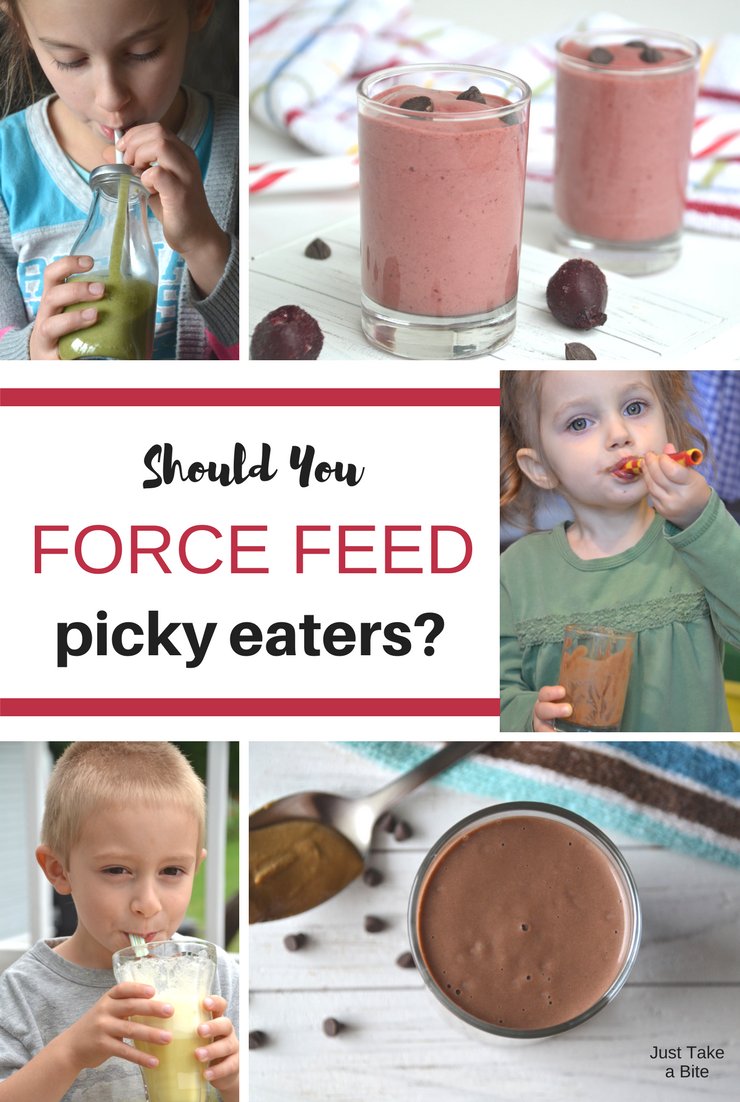
The idea of force feeding a picky eater sounds cruel. But it might be just what your child needs to get back on track!

Should You Force Feed a Picky Eater?

The strategy to force feed a picky eater sounds cruel. But it might be just what your child needs to get back on track!

The strategy to force feed a picky eater sounds cruel. But it might be just what your child needs to get back on track! Here is my secret weapon to get any picky eater back to fully nourished status and enjoying lots of real food again.

I am a big fan of gentle parenting. I like to let my kids make decisions, learn from their mistakes, listen to their bodies and follow their passions.

Really it is a great way to parent.

I want my kids to mature and be independent thinkers, not control their every move.

But that went out the window with my youngest daughter when she was struggling to eat anything. She couldn’t listen to her body anymore because all she heard was fear.

Food meant pain. Food meant allergic reaction after allergic reaction. And she was too little to communicate how she felt. So she simply stopped eating.

How to Feed an Under-Eater

What did I do?

I forced her to eat.

Now, before you become alarmed, let me explain what I mean by force feed.

When my daughter was at the point of being afraid to eat I had to convince her brain and her belly that food could be safe. Which meant getting a few bites down.

Sometimes that meant giving her a few tortilla chips. Sometimes that meant offering her a cookie. The actual food didn’t matter. Just getting something in her empty stomach was the key.

But sometimes there was no food that would entice her enough to take a bite. And yes, sometimes I did have to try physically pushing a little bit of food into her mouth to get past the initial fear. But she sure is good at dodging that!

The strategy to force feed a picky eater sounds cruel. But it might be just what your child needs to get back on track! Here is my secret weapon to get any picky eater back to fully nourished status and enjoying lots of real food again.

Nourishing Drinks for Picky Eaters

Enter my secret weapon – nourishing drinks!

Often with picky eaters or children having allergic reactions half of the battle is the chewing process. So I skipped that and started offering delicious drinks. To my great joy my daughter started drinking them!

Want to know what happened next?

She started eating solid food again! Simply getting some safe, nourishing food in her system was enough to replenish nutrients and stimulate her appetite. And that is such a critical point.

To be clear, this did NOT happen over night. This was a long process with many setbacks like new reactions and illness. Then it was back to square one of living on nutrient-dense drinks until she was refueled enough to eat again. This has been a two year journey!

he idea of force feeding a picky eater sounds cruel. But it might be just what your child needs to get back on track!

Variety for Picky Eaters

One key to using drinks for nourishment is variety. We all need an assortment of vitamins and minerals every day and every week. This is especially true for kids with allergies that need to rotate food.

Picky eaters are at risk for nutritional deficiencies. In fact, these deficiencies often cause picky eating in the first place! 

So I set out to create an assortment of delicious drinks that covered a broad spectrum of nutrients to alleviate the picky eating. And I want to share it with you!

If you struggle with any of the following in your child, this book is for you!

  • picky eating
  • oral sensory processing disorder
  • allergies
  • refusal to eat certain textures
  • slow weight gain/underweight
  • won’t eat many fruits and vegetables
  • won’t eat meat
  • craves starch/carbs
  • holds food in mouth/struggles with chewing

Want to know who else it’s for? Any parents that want to boost their child’s nutrition! Yes, this book really is for everyone.

The idea of force feeding a picky eater sounds cruel. But it might be just what your child needs to get back on track!

Grab your copy HERE!

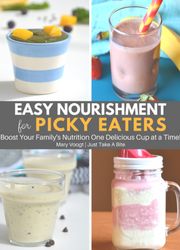
Easy Nourishment for Picky Eaters

I offer simple, nourishing drinks to help get any picky eater back on track to full health and appetite. Kids and adults alike will love these drinks that include fun flavors like apple pie a la mode and peach cobbler. The recipes in Easy Nourishment For Picky Eaters work for those with allergies. They are even safe for children as young as 6 months. Don’t let picky eating get in the way of good health. Drink your way to a well-nourished body.

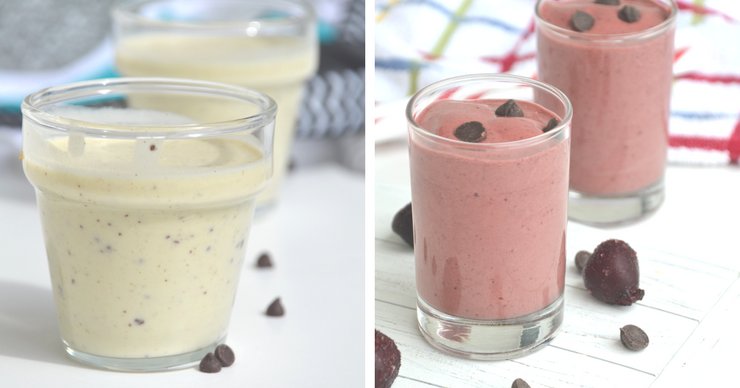
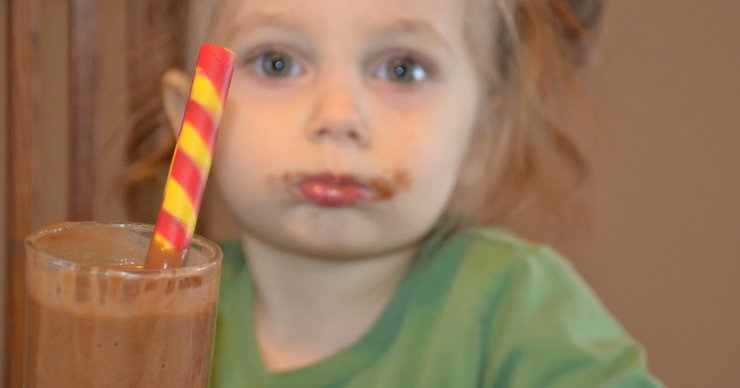
Yes, there are some days that I still have to “force” my daughter to eat…just get her to take one bite and remind her that food is not scary. Her favorite way is with a “chocolate shake” loaded with healthy fats and gut-healing collagen. That is my kind of force feeding!

The strategy to force feed a picky eater sounds cruel. But it might be just what your child needs to get back on track! Here is my secret weapon to get any picky eater back to fully nourished status and enjoying lots of real food again.

It can be hard to feed an undernourished child. But take heart! He can be nourished with simple, nutrient-dense drinks. The best part is he won’t even know. And hopefully you won’t have to force feed him!

Do you have a picky eater? Did you know there could be a root cause?

Boost those nutrients and watch that picky eating turn around!

The strategy to force feed a picky eater sounds cruel. But it might be just what your child needs to get back on track! Here is my secret weapon to get any picky eater back to fully nourished status and enjoying lots of real food again.

Looking for more than nourishing drinks? Check out my other book Why Won’t My Child Eat?! that has in-depth information about how to assess and deal with a picky eater.

Why we stopped the VAD Diet

Why We Stopped the Vitamin A Detox Diet…and Why Healing Diets Fail

Ever heard of the Vitamin A Detox Diet? Wondering if it is the cure you’ve been searching for or just the next dietary fad? This is our family’s journey on the VAD Diet and why we stopped it after a year.
Why we stopped the VAD Diet

I hope this is the last one.

The last post I ever write saying why yet another diet failed.

The last time I go to an extreme in the search for healing.

The last prescribed diet I ever attempt.

Though I can’t make any guarantees. I’m a tactile learner. I have to try things before I can assess them.

But I’ve done it before. I’ve done all sorts of experimenting with high this, low that, add this, remove that. Then I went on the GAPS Diet in 2010 and got my health way off track. After recovering from it, I told myself I’d never do it again.

Well, never say never. I did it again.

What is the Vitamin A Detox Diet

In November of 2018 I embarked on the Vitamin A Detox Diet, spear-headed by Grant Generux and Dr. Garrett Smith.

The theory is that Vitamin A is not actually a vitamin, instead it is a toxin. I wrote about it in detail in my post answering the question “Is Vitamin A Really a Vitamin?” It was my first post on Vitamin A – published exactly one year ago today!

I thought it was the answer I was looking for. I did a lot of reading and research. My infant was struggling with breastfeeding issues that nothing seemed to help. So I dove in.

The basic idea is to eat a very low Vitamin A diet in order to drain the body of stored Vitamin A. This in turn should resolve most health problems.

Good theory. Not so good practical application. And not sufficient evidence to support it aside from extreme examples.Why we stopped the VAD Diet
Why We Stopped the VAD Diet

Our journey started out great. I cut out high Vitamin A foods. I did HTMA to assess my body’s needs. I faithfully took my supplements. Even when the recommendations seemed to change on a daily basis. Add this. Wait, no, that will make you worse. Try this. Oh, wait, that’s not good at all (if only I could have all of the money back that I wasted on strange supplements that either didn’t work or made things worse!).

This food is on the ok list. Now it’s horrible. Oh, now it’s ok again. I knew it was a new theory and we were all learning. But the wishy-washy recommendations were a red flag.

The original time-frame of the diet was anywhere from one to six months. That seemed doable. But as time went on it kept extending – one year, two years, five years. Hmmm…

We did see some progress at first.

Then we got to the 6-7 month mark. And things changed.

I went from feeling good to my digestive system basically shutting down overnight. And six months later it still is not very functional. It’s been a hard setback to accept as I had worked so hard for years to get where I was.

My oldest went back to struggling with focus.

My eight-year-old’s eczema and food reactions started coming back.

My five-year-old’s leg pains and poor appetite returned.

My nursling started to sleep poorly and react to foods again.

Basically it all came crashing down.

I know how it goes. Detox is a crazy process. Sometimes you go two steps forward and one step back. So we stuck with it. I thought maybe it was just a bump in the road to full healing. But that bump turned into one month, then two, then three,…

It wasn’t detox at all. It was deficiency.

Does a Low Vitamin A Diet Cause Deficiencies?

I intentionally worked with a naturopathic doctor when embarking on the VAD Diet to avoid problems. As I mentioned, I was breastfeeding and of course run down from lack of sleep. I didn’t want to make things worse.

But even with multiple HTMAs, my increasing deficiencies were not addressed. I had to figure that out on my own.

The biggest deficiencies from the VAD Diet that I experienced were:

  • magnesium
  • all of the B vitamins, especially B1
  • an imbalance of macrominerals
  • zinc
  • possibly Vitamin E
  • and likely Vitamin A!

As time went on some of my symptoms got worse and worse. These included:

  • tinitus (ringing ears – multiple times daily)
  • tingling hands and feet/extremities going numb
  • low energy
  • low milk supply
  • inability to focus/think clearly
  • slow digestion
  • food intolerances
  • gallbladder pain
  • eye twitching
  • excessive thirst/inability to hydrate
  • candida/yeast/rashes/itching
  • edema
  • hypothyroid

I hit my breaking point. The definition of insanity is doing the same thing over and over expecting different results. Well, I was going insane. I had to change directions. And I did.

At first I was going to go gradually. But then my body started to crave so many nourishing foods. I just let go of rules and ate what sounded good. It was wonderful!

I have still had to use supplements to get back in balance. My body is so depleted from pregnancy, breastfeeding, and restriction. It is going to take a while to get where I need to be. I look forward to the day when I don’t have a pile of supplements to take every morning!Vitamin A and thyroid health

Does Vitamin A Impact Thyroid Health?

I briefly want to address thyroid health. I was diagnosed with hypothyriodism in 2006. I’ve been on medication to control it ever since.

Ultimately my goal is to heal enough to get off of medication and control things with diet and lifestyle. But so far I’m not there. And I suspect I won’t get there until I am done breastfeeding and have some time to focus on just my health. I’ve been pregnant or breastfeeding for the past twelve years!

So for now I need medication. While on the VAD Diet I started lowering my dose. I thought I was getting better. I heard others talking about improving thyroid health. So I took a risk and reduced my medication. But I think it was a big mistake.

I started to feel all of the same symptoms I had after my miscarriage in 2013. Weight creeping up no matter how little I eat or how much I exercise. Feeling puffy all the time. Lowered body temperature. Extra tired. Sluggish digestion. All of my hypothyroid symptoms returned.

In June of 2018 my thyroid labs were great! Then I started lowering my meds on the VAD Diet. In February of 2019 my levels were getting worse. But I ignored the numbers. I felt ok for a little while. Then not so much.

I just had a new round of bloodwork (January 2020). Sure enough, it shows things have gotten worse. Actually a lot worse. I need to really bump up my medication dose. Back to where I started. I know it’s temporary, but still disheartening. My Free T3 has not been this low in years. In June of 2018 it was at the top of the range (ideal). Now it is at the bottom. My Free T4 is on the low end as well. It should be mid-range.

Now I know why I’ve been feeling some of my old symptoms return. I’m in a serious hypothyroid state right now.

So does Vitamin A impact thyroid health? I think so. There are many factors. But a low Vitamin A diet is not a diet I would recommend for improving thyroid health. It definitely made my thyroid issues worse. Do kids need Vitamin A?

Is Vitamin A Essential for Kids?

So far I’ve mostly talked about my own health. But I do want to address my kids as well. They were all on the diet. Though I never had my oldest three on full restriction. And in hindsight I’m so glad! They were able to transition off the diet pretty easily and have been making strides ever since.

Thankfully they still ate some eggs and pork to help minimize deficiencies.

What I really want to focus on is my toddler. He was on the full diet with me from day one. We ate the same foods.

On the whole he seemed to do well for a while. He was growing well and nursing well.

But there was one major red flag that I should have picked up on sooner. His speech.

All of my kids have been early talkers. My oldest knew all of her letters and could count to twenty before she was two! So when my youngest wasn’t saying anything by his first birthday I was concerned.

Just as we were starting the diet (7/8 months old) he was starting to talk. He was saying “mama” and “chick” (when he saw our chickens) and “out” (when he wanted to go outside).

And then that all stopped. No more words. Just “eh” every time he wanted to say something. He was frustrated. We were all frustrated.

I could tell he’s very smart. He loves to read and will sit through book after book and you can tell he remembered every picture and knew what everything was. But he couldn’t say anything. There was a disconnect.

I have heard others complain of this symptom as well – they can’t find the right words or finish sentences. There is some type of miscommunication between the brain and the mouth. And it impacted my son big time.

Until we stopped the diet. It was crazy. Within a couple weeks he started saying more. And now he basically repeats every word he hears. He says all of his siblings names. He names every animal and picture in the books we read. It’s so fun to see him be able to communicate effectively.

Just the other day my husband commented, “His speech has exploded in the last two months!” It truly has. My Father-in-law also commented on my son’s speech when he visited for Christmas. He couldn’t believe the difference. His poor little body was deficient as well. I’m so glad we are getting him back to full health! It gives me such joy.

Whether it is Vitamin A or the other deficiencies that had the biggest impact I can’t say. I’ll probably never know. But I do know that the VAD Diet negatively impacted his development.

I also wanted to mention his size. While his speech was delayed, his growth was off the charts! That might sound like a good thing, but I’m not sure. At his last checkup he was in the 97th percentile for height. If you’ve ever seen my family, you know that we aren’t even remotely close to anything called tall.

Most people think my eleven-year-old is seven or eight because she is so short. I’m only 5’3″. My husband isn’t very tall either. So having our youngest several inches taller than his siblings were at this age seems strange.

It could just be a different mix of genes. We have extended relatives that are tall. But it could also be the diet. I have heard some claim they are getting taller on the VAD Diet. I also heard the other day that one of the best predictors of longevity is height, specifically the shorter you are, the longer you’ll live. If those statements are both true, then it would seem that the VAD Diet is shortening life span. Just an observation. But I’ll be curious to see if his growth continues at this pace or if it slows down now that we are off the diet.

Interestingly, a few days before publishing this post a reader that had been on the VAD Diet contacted me and expressed concern over her young son’s growth – how tall he was! So there may be something to it.
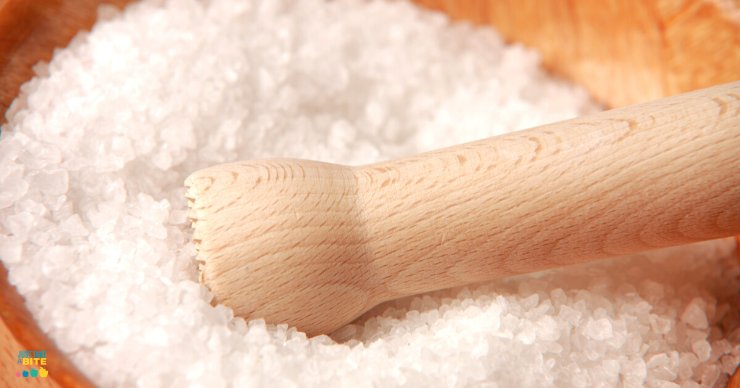
Salt for health

Why Salt is Important for Health

When starting the VAD Diet and working with my ND, I was told to stop eating unrefined sea salt – that it contained toxins. So I switched the family to basic salt – sodium chloride.

At first I also added potassium chloride to it to get a balance of minerals. But the potassium gave me horrible anxiety. So I quit that.

Back to just plain salt.

But it never felt right. I could hardly taste it. I had to put so much on my food. Not a big deal I thought.

But it started to be a big deal when I could never get hydrated. I would guzzle glass after glass of water without quenching my thirst. I even added extra salt to my liquids, but it didn’t help.

Then my legs started swelling on a daily basis.

My electrolytes were so out of balance. My sodium intake was too high compared with my other macrominerals.

As we were coming off the VAD Diet I switched back to Real Salt. It was wonderful!

I could taste my food again. I could feel things absorbing. My insatiable thirst went away, and my swelling went down.

Why Healing Diets Fail

Last year I tried a new diet that made big promises. And it failed us. In quite a few ways as you can see. But it’s not the only one. Ultimately most healing diets fail.

That may sound extreme. I mean, they all have some merit and of course success stories. But they also have potential problems.

All healing diets have their own spin on what food/nutrient/component is toxic/inflammatory/etc. They all have their own spin on what is healing and restorative.

But at the end of the day they are all restricted diets. And any restricted diet done long term is going to cause problems – not only deficiencies and imbalances, but also anxiety, mental struggles and orthorexia for some.

You can find some healing with pretty much any major dietary change. It doesn’t have to be a diet with a label. Any time we shake things up, it will help our bodies do some detox and healing. Within about two weeks of starting the VAD Diet I had a noticeable detox. I wish I would have stopped there.

This is why most people see progress on any healing diet for up to six months. But as they go longer they see problems arise. Their bodies get out of balance. Deficiencies are created. They have lost their ability to eat intuitively and based on their needs day in and day out.

So if you want some healing – a little detox to propel your health forward -just make a change. If you eat a lot of nuts, cut them out for a month. If you eat an apple every day, switch to grapes for a few weeks.

Any time you eat the same foods over and over you could be creating some inflammation.

Don’t jump right to a restricted diet as the solution. Just make a change. After a few weeks your body will naturally do a little detox and rebalancing and you’ll probably feel better.

It’s good for your microbiome to make changes and feed different bacteria. That doesn’t require a long-term restrictive diet.

Life After the VAD Diet

So, now what? How are we eating and how are we feeling? That is what most people ask me.

First, I don’t have any rules about how we eat. Just real, whole foods that sound good and that we tolerate. That’s it.

My girls drink raw milk. My boys don’t tolerate it. The oldest three eat eggs. My youngest doesn’t tolerate them. We all eat homemade sourdough. But other than that we are gluten-free.

I’m always playing around with foods and finding out what balance and ratios work best for us. It varies day-to-day. But it is highly individual.

As I study to become a Nutritional Therapy Practitioner I am reminded of the importance of bio-individuality. We each have a unique set of genes, stresses, circumstances, health issues, environments, and more. Even the weather and the seasons play a role. So how we live and eat on a daily basis is so individual. There is no one-size-fits-all approach.

That is how I will approach my practice, my one-on-one work with clients. Every person has different needs and by looking at both the big picture and the details we can help figure out what works best for them.

A few areas of progress since going off the diet (mostly my own) have been:

  • ear ringing is rare
  • eye twitch is gone
  • gallbladder pain is gone
  • tingling in hands is gone
  • excessive thirst is gone
  • swelling is mostly gone
  • skin is clear and healthy and soft – no more cysts!
  • hair regrowth like crazy
  • more energy and the desire to move! I’ve even done a little jogging (instead of slow walking) and have increased the intensity on my stationary bike.
  • milk supply is good
  • able to think and focus much better
  • toddler’s speech

Some things that we’re still working on:

  • digestion
  • liver health
  • candida/yeast
  • hypothyroid
  • daughter’s leg pains (we use magnesium lotion for them)
  • food intolerances for everyone

How diet impacts emotionsThe Emotional Component of Healing Diets

I also wanted to mention the emotional, mental and social impact of a highly restrictive diet. We are used to having food restrictions. We’ve been dealing with food allergies for six years. And before I even had kids I was playing around with diet.

But limiting our food choices to such an extreme takes a toll on the family. My husband was frustrated that our menu was so limited and that we couldn’t eat anywhere besides home. We even had a garden full of food that only he was eating.

It puts a strain on relationships. And it’s hard to feel so different. Not only are you going against the grain with the way most people eat (Standard American Diet). But you are also going against your group of real food friends. It’s very isolating.

Is Vitamin A Toxicity Real?

That’s a tough question to answer. I do think that you can become toxic from just about anything in large enough amounts. And there are numerous case studies of patients with hypervitaminosis A. So I do think it’s a real condition (my opinion).

But is Vitamin A a toxin in and of itself? I don’t think so (again, my opinion). I’ll leave it at that. Do your own research to come to a conclusion.

Is the Vitamin A Detox Diet Healthy?

This is another tough question since there are so many unknowns. And again, it’s very individual.

At this point in time I can’t recommend the VAD Diet to anyone. Even after writing a whole book on how to do the diet with kids, I can’t support it.

I took my book down. Even though I spent a lot of time and energy creating it. Even though it was one of my few income sources at the moment. I don’t do things just for money.

There is no real way of knowing if the progress we made at the start of the diet was from the reduced Vitamin A or if it was simply from making a big diet change and adding supplements. What I do know is that done long-term it caused serious deficiencies.

To me a detox diet is meant to be both healing and short-term. You get a toxin out and then get back to being able to eat a wide variety of food. If the toxin is in most of the food, it’s not really a detox diet. It’s a permanent lifestyle of restriction. And if that lifestyle is only sustainable with supplements because it’s causing deficiencies, it’s not a good one. Just like I don’t think a vegan diet is healthy.

If I want to detox aluminum from my body, I follow a protocol. Then once it’s out, my body is functional and I can eat a variety of food, still trying to minimize exposure to aluminum. If the toxin is in the food, then a return to “normal” is not possible. Or if you do return to what was your normal diet, then it’s hard to say you believe Vitamin A it a toxin. Else you wouldn’t consume it.

And if it is a toxin, why is it in so many foods? There are still too many questions that just don’t have good answers.

A better long-term solution is to work on the health and function of your digestive system, liver, and gallbladder. If they are healthy, your detox pathway is healthy, and you can deal with toxins effectively.Moving on after the VAD Diet

The End of the VAD Diet

As I wrap up this post, I am putting an end to my involvement with the VAD Diet for the time being. Or maybe for good. I’ll watch from a distance. It is an interesting theory. And I’m curious to see how others fare on the diet.

But I will not be writing or talking about it any more.

I am disabling the comments on this post. I have given my reasons for why we stopped and talked about our journey. This is where it ends for us. If you have an earnest question you are always welcome to email.

I am heading into 2020 with renewed energy and focus. I am getting back to my passion – to give parents hope that they can overcome any feeding challenge.

I am focusing on my schooling to become an NTP and be certified to do HTMA (hair tissue mineral analysis). I am focusing on opening my practice to work one-on-one with moms and kids.

And I’m excited to continue expanding my Eating Styles Membership.

Lest anyone think I regret the past year, I don’t. Sure there are things I would have done differently had I known then what I know now. But that is how I learn. And boy have I learned a LOT this past year.

Not only about my own health and my family’s health, but health in general. I have learned what I believe and how I want to move forward.

I have also learned to be careful who I work with and associate with. Character means a lot to me. I’ve had numerous amazing partnerships this year, but also a couple that do not align with my beliefs. In the future I will be a bit more cautious before I work with individuals and brands.

I’m learning about the work of Ancel Keys right now in the book The Big Fat Surprise by Nina Teicholz. I thought this quote about him was very profound and holds true for so many trying to do groundbreaking work in health and nutrition.

Keys wanted his hypothesis to be presumed right until proven wrong. Yet – and this is an important point – science is not like the justice system. Whereas Americans are presumed to be innocent until proven guilty, scientific knowledge is just the opposite: a hypothesis must not be presumed right until a pile of significant evidence grows up behind it, and even then, you can never be entirely sure. All that one can ever really say is that the preponderance of the evidence tends to support one idea over another. Keys’s unwavering belief in his own hypothesis, even in its formative stages and even in the face of conflicting evidence, however, suggests he was willing to stray from these scientific principles to defend it.

The fame and the desire to be right overpowers the desire to actually practice good science.

I loved this quote as well:

Resisting these ‘idols of the mind,’ as the great seventeenth-century theorist Francis Bacon dubbed them, is exactly what the scientific method tries to do. A scientist must always try to disprove his or her own hypothesis. Or, as one of the great science philosophers of the twentieth century, Karl Popper, described, ‘The method of science is the method of bold conjectures and ingenious and severe attempts to refute them.’

If someone makes a health claim and only tries to show you support of it, question them. A good scientist will try to DISPROVE his or her hypothesis. If there is no way to disprove it, then it might be valid. But if there are numerous cases/studies that don’t support it – that is a red flag. To me, that is what is happening with the Vitamin A Detox Diet. Proponents are trying to prove it, but not allowing any talk of cases where it is disproved.

As Pete Ahrens stated in 1957:

When unproved hypotheses are enthusiastically proclaimed as facts,  it is timely to reflect on the possibility that other explanations can be given for the phenomena observed.

In other words, there is far too much we don’t know yet to so boldly claim that Vitamin A is a toxin and has no purpose for the human body. This being a very small-scale epidemiological study does not prove anything. Maybe cutting some of the high Vitamin A foods simply changes one’s fatty acid balance, giving more anti-inflammatory fatty acids to balance the pro-inflammatory ones? There are many ways to look at it.

Lastly, I did want to say that today’s post was about the main reasons we stopped the VAD Diet. There is definitely more to the story on both a personal and professional level. But I choose to keep that private. So if what I wrote seems a bit incomplete, it is. But it will have to do.

Just today in my devotions I read this:

Fulfilling God’s purpose is better than popularity. Loving God’s people is better than pleasure. Having God’s peace is better than possessions. – Pastor Rick Warren

That pretty much sums up my mindset heading into 2020.
What is a healthy diet

Does a Healthy Diet Exist?

Absolutely healthy diets exist! But you won’t read about them in a best-seller or an eCourse. What is healthy is up to you. Your body knows what it needs.

I have not tried AIP, keto, carnivore, or even a candida or parasite cleanse. I don’t really intend to either. In the end they generally lead to the same destination. Not listening to your body’s needs and nutrient deficiencies.

A healing protocol should be temporary. Supplementation should be temporary. Any deviation from a balanced diet should be temporary and just a stepping stone to get back to variety and good health.

What that looks like is different for every individual. The time-frame is individual. Circumstances are individual.

I know we live in a world where everyone is looking for a magic pill or cure or that one thing that will turn everything around. Even in the realm of real food where grains are the root of all health problems and liver is a life-source. We all just want to feel good.

But feeling good will not come from one supplement or one dietary change. Feeling good takes work every single day. It takes moving your body, getting enough sleep, minimizing toxin exposure, taking time to relax, chewing well, and more. Health is a lifestyle, not a detox diet or vilifying a single food or nutrient.

Thank you for going on this journey with me. I hope you have learned right along with me, and I hope you are ready to pursue a healthy lifestyle as we enter the New Year.

With that I’m saying goodbye to the Vitamin A Detox Diet. Time to move on.

Magnesium for kids - why they need it!

Why Kids Need Magnesium – And How to Get It!

In our world of degraded soil, processed foods, and toxic pesticides, almost every child is magnesium deficient. Today I’m going to tell you why that matters – why kids need magnesium and the best ways for them to get it.Magnesium for kids - why they need it!

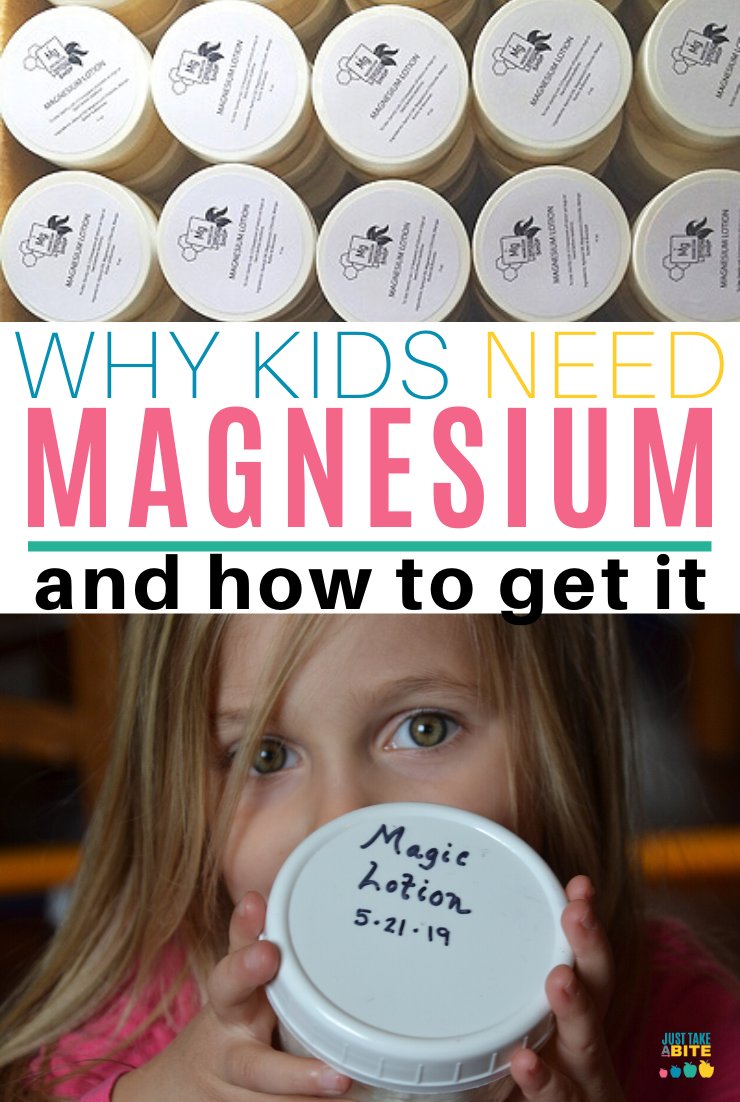
Call my kids weird, but they were so excited to get their own jars of magnesium lotion as stocking-stuffers for Christmas. It might seem like an odd thing for a five-year-old to smile about. But she knows just how amazing magnesium is for her health.

I’m not even exaggerating that she put it on about ten times the first day she had it! And she wouldn’t let anyone else touch it. Around here, magnesium lotion is a prized possession.

Let’s find out why magnesium is so magnificent!

What Does Magnesium Do?

A better question might be, “What Doesn’t Magnesium Do?” Magnesium is an essential macromineral that is involved in several hundred enzymatic reactions in the body.

Considered the “anti-stress” mineral, magnesium is a natural tranquilizer. This can help with relaxing muscles, including both skeletal muscles and smooth muscles as in blood vessels and the digestive tract. Which is why sufficient magnesium intake helps with slow digestion.

Magnesium also plays a significant role in heart health, again relaxing muscles and preventing coronary artery spasms. It can also lower blood pressure and is sometimes used to treat pre-eclampsia in pregnancy.

If you struggle with recurring kidney stones, it is likely due to a magnesium deficiency. Magnesium helps prevent the calcification of tissues and blood vessels (including kidney stones, atherosclerosis, and even cavities!).

Magnesium plays a role in energy levels as well. Because it helps nutrients pass back and forth across cell membranes, magnesium helps in the release of energy. This may also lead to aiding with nervousness, anxiety, insomnia, depression, and muscle cramps.

Magnesium has been shown to impact blood sugar regulation, type 2 diabetes, ADHD, migraines, and Alzheimer’s too.

These are just a few of the many roles of magnesium in the body. As you can see, it is a very important mineral!Magnesium for kids - why they need it

What are the Symptoms of Magnesium Deficiency?

So how do you know if you or your kids are magnesium deficient? These days if you don’t supplement you are likely deficient. It’s sad, but true. Here are some of the common symptoms of magnesium deficiency:

  • fatigue
  • anorexia
  • irritability (tendency towards blood sugar dysregulation and acting “hangry”)
  • insomnia (anybody have kids that struggle with sleep?)
  • muscle twitching and cramping (restless legs and growing pains)
  • decreased learning ability and lack of focus (ADD, ADHD)
  • confusion
  • poor memory
  • rapid heartbeat
  • numbness and tingling of hands and feet
  • recurring kidney stones
  • anxiety
  • depression
  • loss of appetite
  • nausea
  • constipation

Low levels of magnesium can impact all parts of the body. So if you are struggling with any of these symptoms on a regular basis, it might be time to change your diet or add a magnesium supplement.

Why are Kids Magnesium Deficient?

There are many factors that contribute magnesium deficiency. These include:

  • a diet low in magnesium (see the food list below)
  • soft water
  • produce grown in magnesium-deficient soil (most magnesium comes from plants)
  • processed foods in the diet (with lack of magnesium but an abundance of synthetic counteractive nutrients)
  • poor liver function
  • malabsorption (digestive dysfunction)
  • excess sugar intake (depletes magnesium)
  • high stress levels (depletes magnesium)
  • too much Vitamin D, phosphorus, and calcium in the diet (no, Vitamin D supplements are NOT a good idea) that cause an imbalance

It seems like this should only pertain to adults. But sadly, kids are born into a magnesium-deficient world. Moms are magnesium deficient while pregnant. So baby starts off without sufficient levels. Then kids are fed processed foods with high amounts of synthetic vitamins and minerals but lacking in magnesium. Vegetables are grown in nutrient-depleted soil, so even if you eat your greens you’re not getting the amount of nutrients you need.

Plus so many kids struggle with digestive problems and even autoimmune conditions that inhibit them from absorbing the magnesium they do ingest.

Kids have to deal with a lot more stress these days – from more intense school work to less time outside to EMFs to technology to pharmaceuticals to toxins to lack of sleep to poor posture…it all adds up. And stress rapidly depletes magnesium stores.

Then there is the big push for Vitamin D supplements. I’ve talked about it before –  it’s just not a good idea. It will lead to imbalances in the body, including lowered magnesium levels.

As you can see, it is very easy for kids to be magnesium deficient these days. In fact, it’s probably rare to have kids that aren’t deficient. Thankfully there are solutions!Magnesium for kids - why they need it

Best Sources of Magnesium for Kids

It is essential to get sufficient magnesium in your diet – whether from food or supplements. Some of the best food sources of magnesium include:

  • dark, leafy greens
  • nuts
  • seeds
  • beans
  • avocados
  • bananas
  • buckwheat
  • cocoa
  • molasses
  • whole grains
  • fish

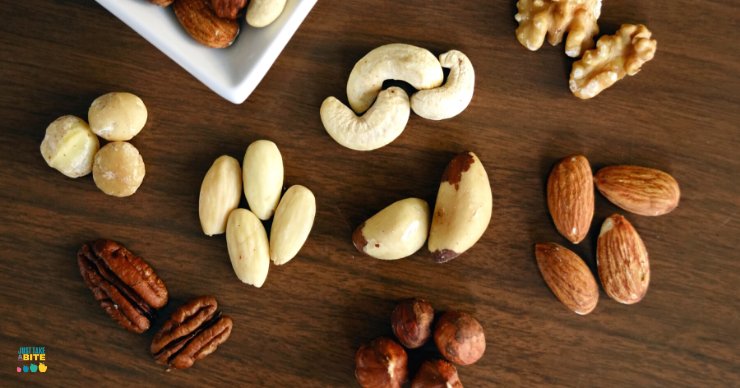
Although I am a huge fan of a food-first approach, it’s not always possible to eat enough magnesium-rich food. Especially these days when most “healing diets” exclude almost everything on that list! A lot of the magnesium-rich foods are hard to digest and include problematic components like oxalates, allergens, and gluten. If your diet is lacking magnesium, you can also supplement. Some good supplement options include:

  • magnesium lotion
  • magnesium oil spray
  • epsom salt bath or foot soak
  • magnesium malate
  • magnesium lysinate, glycinate, chelate (I use THIS brand)

Topical magnesium is more easily absorbed and utilized by the body. So if you don’t need the laxative effect of a magnesium supplement, opt for lotion, spray, or bath.

Also note that magnesium is an alkaline mineral. Which means it can reduce stomach acid. So if you are going to supplement, it’s best to do it away from meals, before bed, or in combination with Vitamin C (ascorbic acid).

Can you Get Too Much Magnesium?

Although very rare, it is possible to have magnesium toxicity. Most excess magnesium is eliminated in the urine or feces.

If calcium intake is very low and magnesium intake is high (via supplementation), you can have an imbalance.

Symptoms of magnesium toxicity include:

  • muscle weakness
  • fatigue
  • sleepiness
  • hyper-excitability

Unless you are supplementing with doses of 1,000 mg or more a day, this is likely not an issue. But always strive for balance, no extremes.Magnesium for Kids - why they need it

Does Magnesium Help Kids Sleep?

As mentioned earlier, magnesium has a tranquilizing and calming effect. It helps you relax. It helps your muscles relax.

This is so important for kids. In my mind, kids should be running around all day, getting exhausted, and crashing hard when they hit the pillow at bedtime.

But that is not the reality for most kids. Even my own kids struggle with sleep sometimes. Especially my oldest. Some nights she lays in bed awake for hours. It pains me because I know it makes her worry. Then the lack of sleep on top of that worry is more stress.

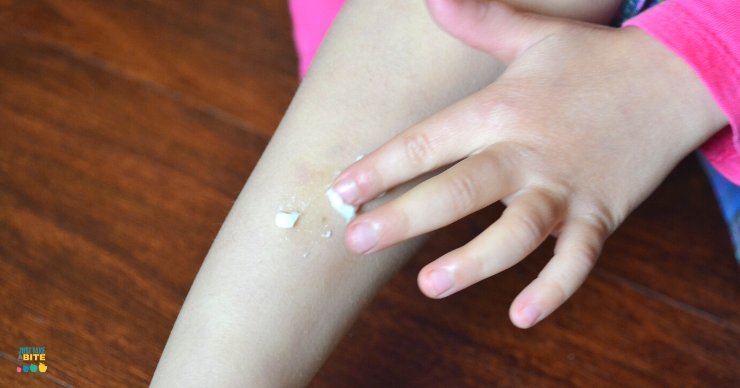
A dark room and a calm bedtime routine are both helpful. But our go-to solution is magnesium lotion. My daughter can actually feel the difference. She rubs it on her legs and belly before bed and usually falls right to sleep. It’s like magic.Magnesium for Kids - why they need it

Magnesium Lotion for Growing Pains

My youngest daughter is a good sleeper…unless she has leg pains. Some nights she wakes up just sobbing in pain. We’ve taken her to the doctor and done x-rays. No physical problems.

It’s what doctors call “growing pains.” It’s sort of a bogus term because it really just means they don’t know what causes it. I say it’s magnesium deficiency!

If we are faithful about using magnesium lotion every night, my daughter is pain free. But if we start to slack, it comes back. She calls it her magic lotion. I do too. I hate seeing her in pain. The other night it was so bad I had to resort to OTC pain medicine. None of my natural remedies would help. That was my wake-up call. We need to be diligent about using magnesium lotion every single day.

In adults these same pains are often termed restless legs. It’s a big red flag for magnesium deficiency. If you or a loved one suffers from restless legs, work on magnesium levels. Sufficient magnesium will reduce or eliminate muscle cramps and spasms. Topical magnesium lotion right on the legs is great for this!

How to Make Magnesium Lotion

After reading all of that you want an easy solution, right? Well, I’ve got one. Sort of.

The first step in treating magnesium deficiency is always to work on diet. Increase food sources of magnesium when possible.

After that my favorite solution is magnesium lotion. Oils are good, but they are sticky and itchy (not great for kids). Epsom baths can work, but you don’t always have time for it. Plus it’s not an ideal solution for young kids as you can’t really regulate the magnesium levels.

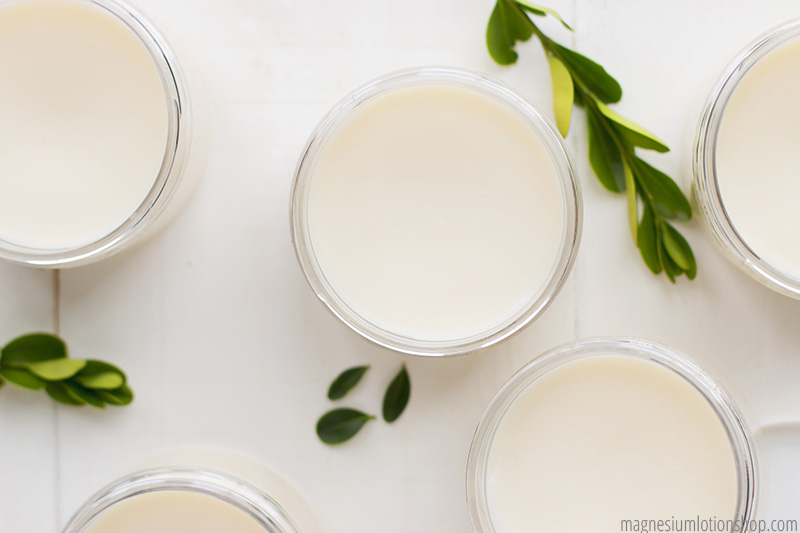
That’s why I love magnesium lotion. I did a whole tutorial on how to make DIY magnesium lotion with just TWO ingredients. You can read that HERE.

For stocking stuffers I also went a step further and made a really nice lotion for my girls. I used this magnesium lotion recipe and then added some essential oils to fit their personality and needs. It was a bit more work, but totally doable. And the end product is awesome. My girls are raving about how soft it is.
Blog Photo 5

The Best Magnesium Lotion for Kids

But let’s be honest – how often do we have time to make lotion? And who has shea butter and bees wax sitting around all the time?

The easiest way to get quality magnesium lotion is to buy it. There are quite a few brands of magnesium lotion. I’ll be honest – I don’t trust most of them. They have questionable ingredients. And frankly they smell strange and still make you itch.

Except for one. The only magnesium lotion that I trust and buy is from The Magnesium Lotion Shop.

This lotion is made with only four pure ingredients. It goes on easily and smells nice. Plus I always love to support small, family-owned businesses versus big corporations. Check it out HERE.

All of our products are made by hand in small batches. Our primary goal is quality, and we encourage customers to contact us directly if they ever have any issues. Our product has passed both micro bacterial testing and the USP 51 preservative challenge test (for consumer safety), results can be seen here. We use only natural ingredients: Magnesium Oil, Apricot Oil, Mango Butter and Beeswax – no funny, artificial, hard to pronounce substances are in our product. Out lotion is preservative free. – Mike Crumbs

Sufficient magnesium is such an important factor for good health. I’m thankful there are numerous ways to increase magnesium levels, including transdermally through magnesium lotion. It’s the perfect solution for both kids and adults!

Do you struggle with magnesium deficiency? What is your favorite way to supplement? Have you seen any health improvements when using magnesium supplements?

Having trouble navigating all the different types of magnesium? This guide will help you!

How to make REAL "Kool-Aid"

How To Make REAL “Kool-Aid” | Dye-Free & Allergen-Free

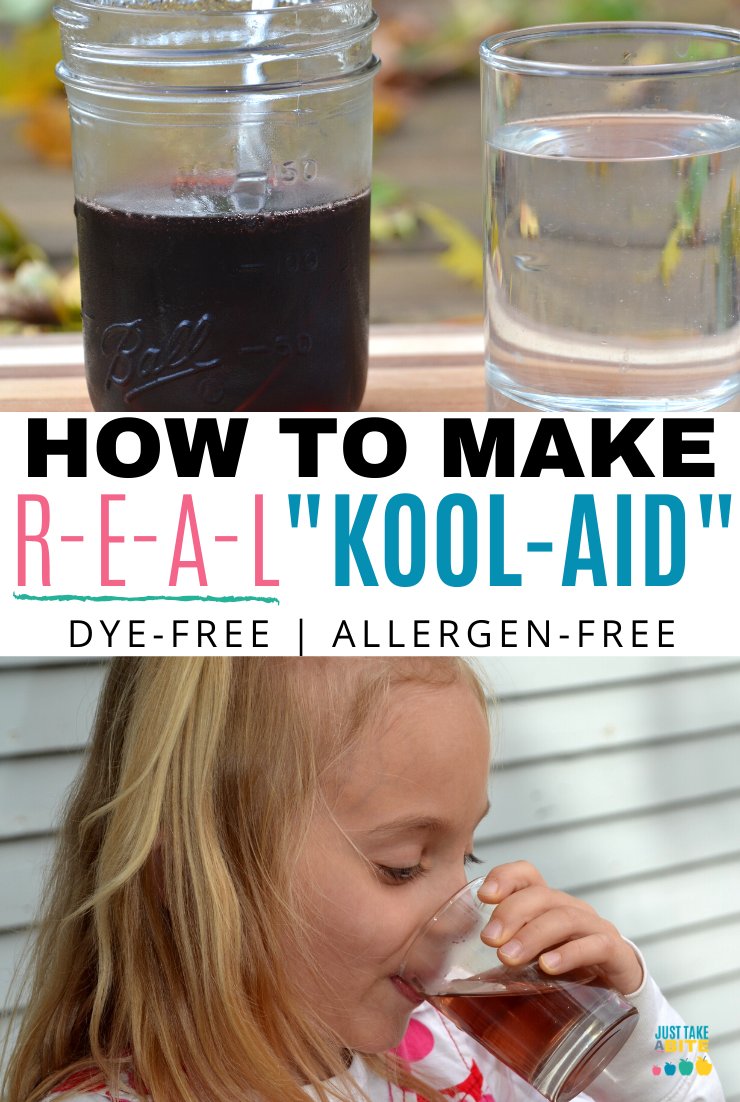
Not a fan of adding dyes and artificial flavors to your kids’ diet? This real food version of “Kool-Aid” is easy to make and fun for kids. No chemicals required.

How to make REAL "Kool-Aid"Lately I see a lot of commercials for convenience foods that just seem plain silly.  Like to-go containers of peanut butter? Because you don’t have enough time to scoop a little peanut butter into a container at home?

Then there are the “foods” that are just plain junk. Like “Kool-Aid” squeeze packs. Because it’s such a great idea to fill your child with high fructose corn syrup and food coloring that they had to make it even easier for you to do. And you can even do it on the go. Give your child a bottle of water…and then fill it with nasty stuff that contributes to ADHD and other health issues.

I say just give them the water and be done. There really is no need for anything extra.How to make REAL "Kool-Aid" - A simple, dye-free drink for kids.

How to Make “Kool-Aid” Without Food Coloring

Sometimes it is nice to have a treat. And there are also times when your child needs a beverage that is a bit more hydrating than plain water, like this Smart Water.

So I created a real food version of “Kool-Aid” syrup to add to water. It’s made with quality ingredients. Plus it has unrefined sea salt with minerals for hydration.

 I send my daughter to school with a water bottle every day. But once in a while I add a couple tablespoons of our homemade fruit syrup. She gets a treat. And she’s more likely to drink more that way and stay hydrated. A little flavor goes a long way.

How to Avoid High Fructose Corn Syrup

You don’t need the corn syrup and food dyes to make water fun. Simply make your own syrup (it only takes 10 minutes!). Then your child can still focus at school while having a delicious treat. And if your child is like mine, they’ll tell their friends all about it and start teaching others about good health at a young age. Everyone wins.

What do your kids like to drink?

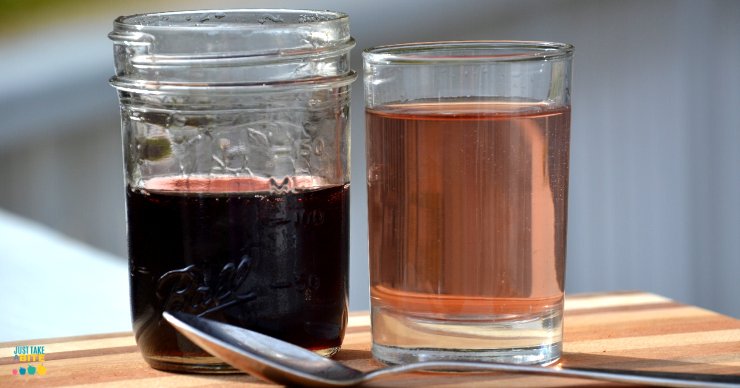
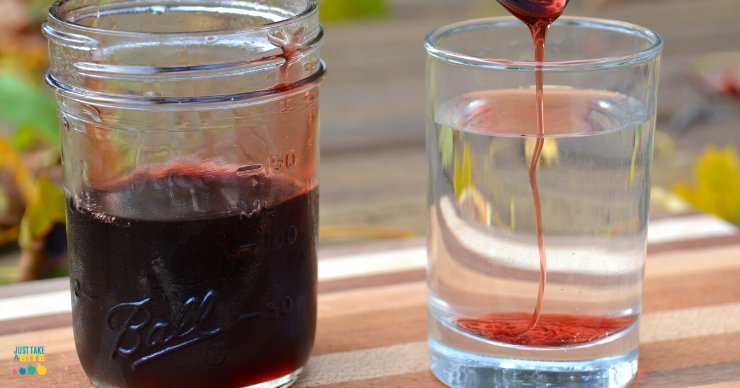
How about some “Kool-Aid” real food style? The pictures show cherry “Kool-Aid.” You can also make blueberry or lemon lime or any combination. There is something delicious for everyone.How to make REAL "Kool-Aid" - A simple, dye-free drink for kids.How to make REAL "Kool-Aid" - A simple, dye-free drink for kids.

{REAL} "Kool-Aid"
Write a review
Print
Ingredients
  1. 1/2 cup pure juice (cherry, blueberry, lemon, lime)
  2. 1 cup organic cane sugar or coconut sugar
  3. 1/2 tsp. unrefined sea salt
Instructions
  1. Combine all of the ingredients in saucepan.
  2. Bring to a boil, reduce heat and simmer about 5-10 minutes, until sugar is completely dissolved, whisking frequently.
  3. Remove from heat. Pour the syrup into a glass container, cover and refrigerate until cool.
  4. When ready to serve add 1 Tbsp. syrup to every 1/2 cup water. Stir or shake to mix.
Notes
  1. This can be made with one flavor of juice or a combination.
  2. You can add more or less syrup depending on how sweet you like it.
Just Take A Bite https://justtakeabite.com/
How To Turn A Pork Roast Into Ham | Just Take A Bite

How To Turn A Pork Roast Into Ham

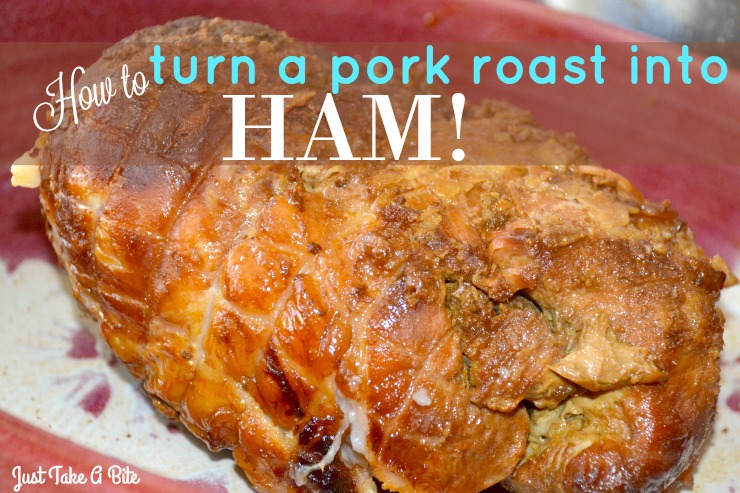
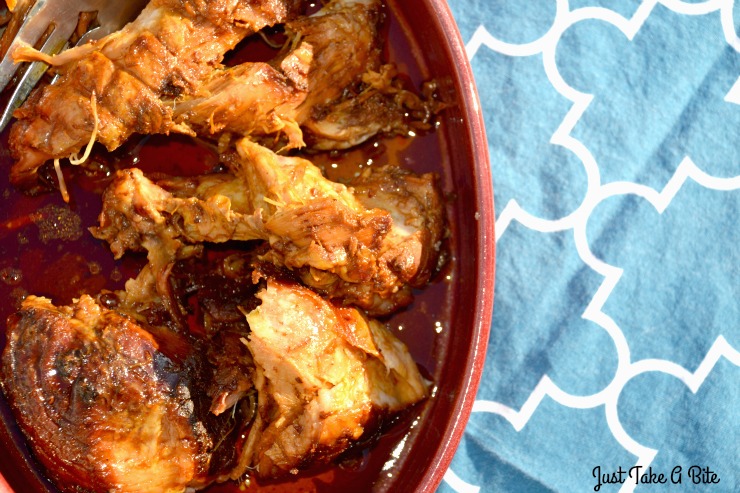
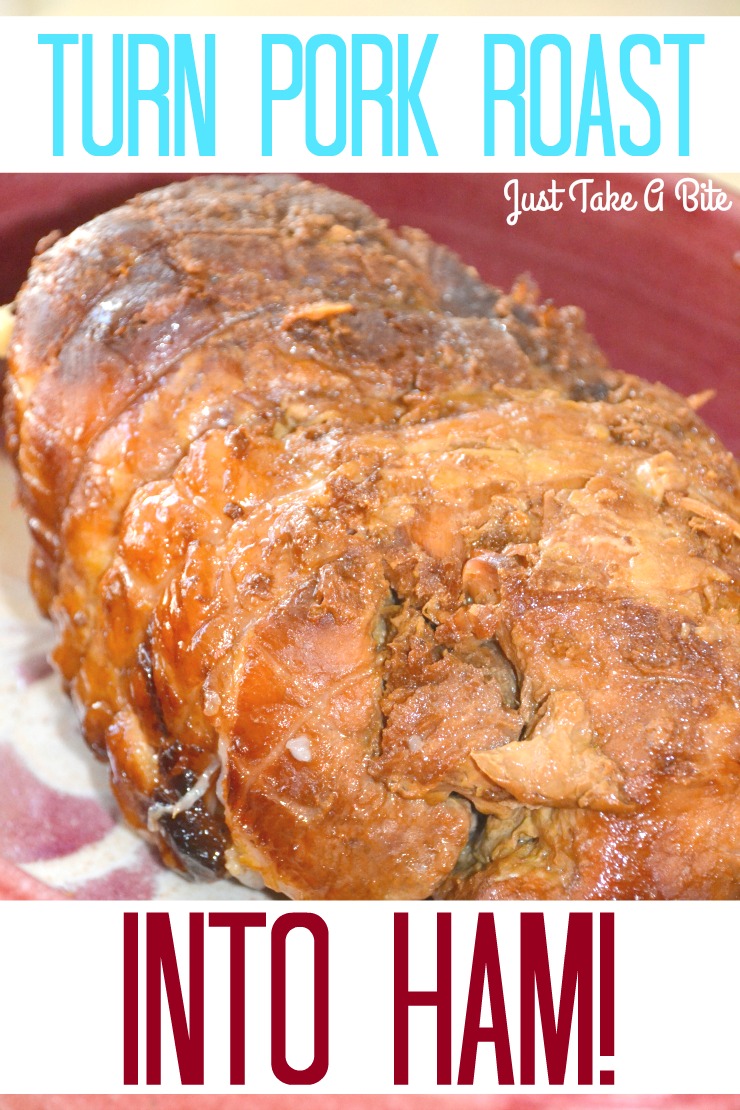
Are you looking for a way to serve ham without worrying about nitrates, nitrites and fillers? Make your own! You can easily turn a pork roast into ham in your crockpot.

How To Turn A Pork Roast Into Ham | Just Take A Bite

I love ham. I mean love it.

You can imagine my sadness when my daughter had a reaction to ham while she was still breastfeeding. That meant no ham for her…or me.

How To Turn A Pork Roast Into Ham | Just Take A Bite

Why You Should Avoid Ham

Pork was not the problem.

The problem is whatever is used for smoking/curing. Even something simple like beet sugar caused a reaction.

But aside from allergens, there are the added nitrates and nitrites. This is not a cut and dry issue either. Some say avoid it all. Some say just be careful of quantities, whether naturally-derived or not.

Whatever your reason, sometimes it’s a good idea to avoid cured meats, including ham.

How to Turn Pork into Ham

I avoided my beloved ham for a long time – until I decided to make my own! You can turn a pork roast into ham right in your crockpot (this is my favorite one).

No fancy tools. No strange ingredients.

Really all you need is pork, salt and a sweetener.

I used a rolled pork roast. But any cut will work.

Homemade Ham in the Crockpot

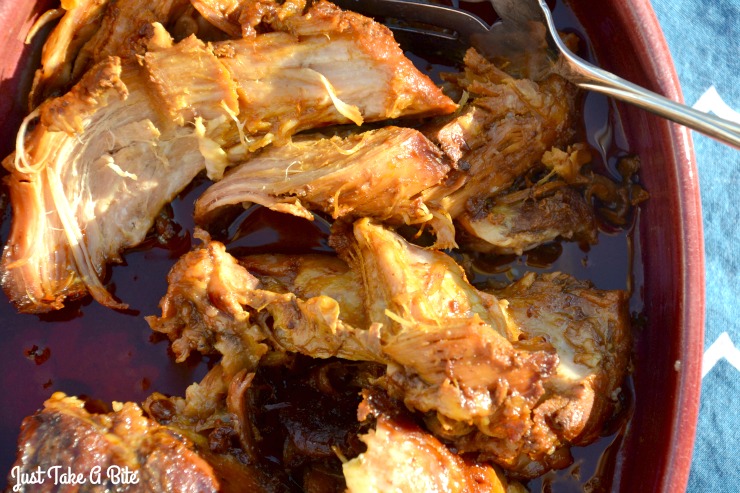
Cut some slits in the pork, put it in the crockpot and add the salt and sugar. Turn the crockpot on and you’re pretty much done.

How To Turn A Pork Roast Into Ham | Just Take A Bite

Your holiday ham really can be that simple. And you don’t have to worry about nitrates or nitrites or whether or not celery powder is better or worse.

To turn a pork roast into ham the important step is using lots of quality unrefined sea salt. Then adjust the sweetness to your liking.

If you want your ham really smokey you can also add a little liquid smoke (be sure to find one without coloring added).

Pork Loin Ham Recipe

As I write this I’m thinking about how tasty our homemade ham was. I might have eaten all of the leftovers myself. Though now I wish some had made it to the freezer so I could enjoy it again.

I guess that means I just need to make another!

Are you thinking about making a Christmas ham?

Save time and money by making it yourself this year! Just put it in the crockpot in the morning and spend your time focusing on delicious side dishes and desserts.

No crockpot? Or you’ve already filled it with something else? You can make ham in the oven too.

How To Turn A Pork Roast Into Ham | Just Take A Bite

Homemade Ham
Turn a pork roast into a delicious ham with a few simple ingredients and a crockpot.
Write a review
Print
Ingredients
  1. 1 pork roast (cut and size of choice)
  2. 2 - 4 tsp. unrefined sea salt (adjust based on size of roast)
  3. 2 Tbsp. - 1/2 cup any combination of sweeteners (honey, maple syrup, organic cane sugar, organic brown cane sugar, molasses; adjust to taste)
Instructions
  1. Using a sharp knife cut slits in the pork roast all over.
  2. Place the pork in the crockpot.
  3. Add salt and flip the roast to make sure there is salt on all sides.
  4. Add the sweetener (start with a smaller amount and add more later if you want it sweeter).
  5. Cover and cook on HIGH for 4 hours, then turn to LOW for 5+ hours.
  6. Flip the roast 2 or 3 times during cooking to make sure all sides get coated with flavoring. You can also baste the roast with the juice in the crockpot, trying to get it into the slits in the meat.
  7. An hour before serving cut the roast into large chunks and coat with the juice in the crockpot.
Notes
  1. You can use a single sweetener like honey or cane sugar. Using a combination of liquid and dry sweeteners gives a good balance of flavor and creates a good "sauce."
  2. To make ham in the oven follow the same directions, baking the pork in a covered dish at 375*F for 2 hours, then turning the heat down to 325*F for 2 hours.
Just Take A Bite https://justtakeabite.com/
This post is linked to Savoring Saturdays.

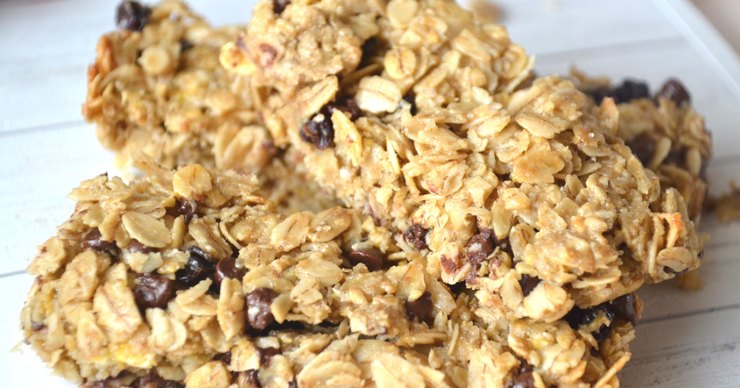
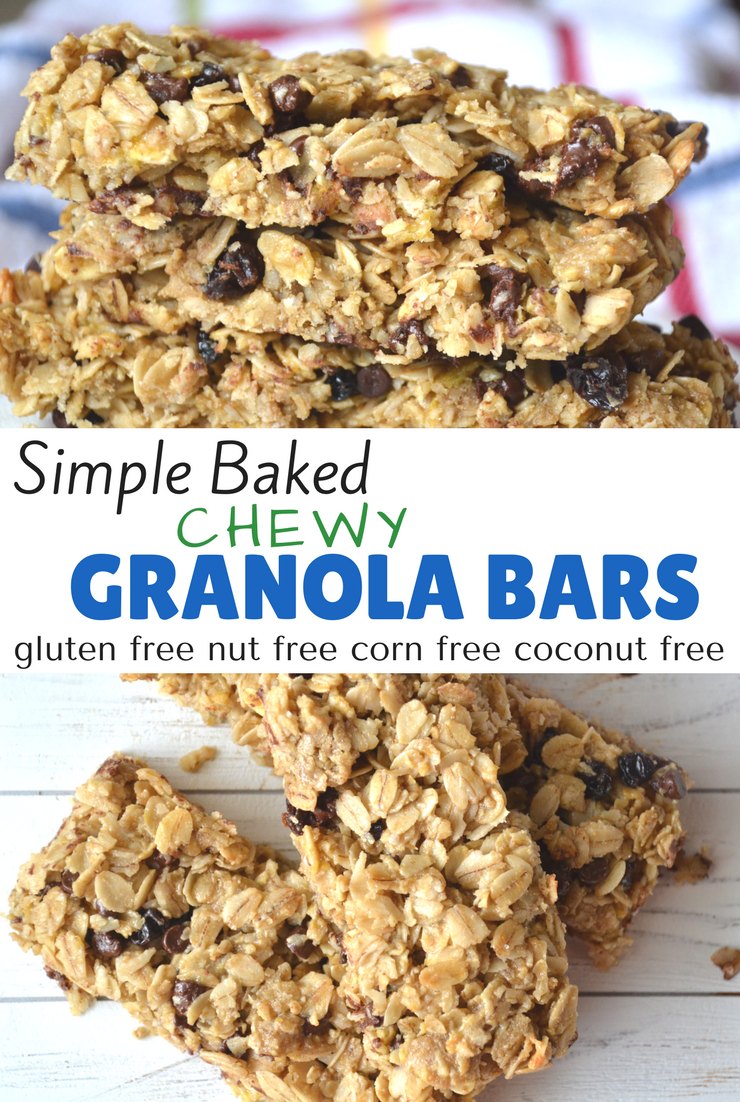
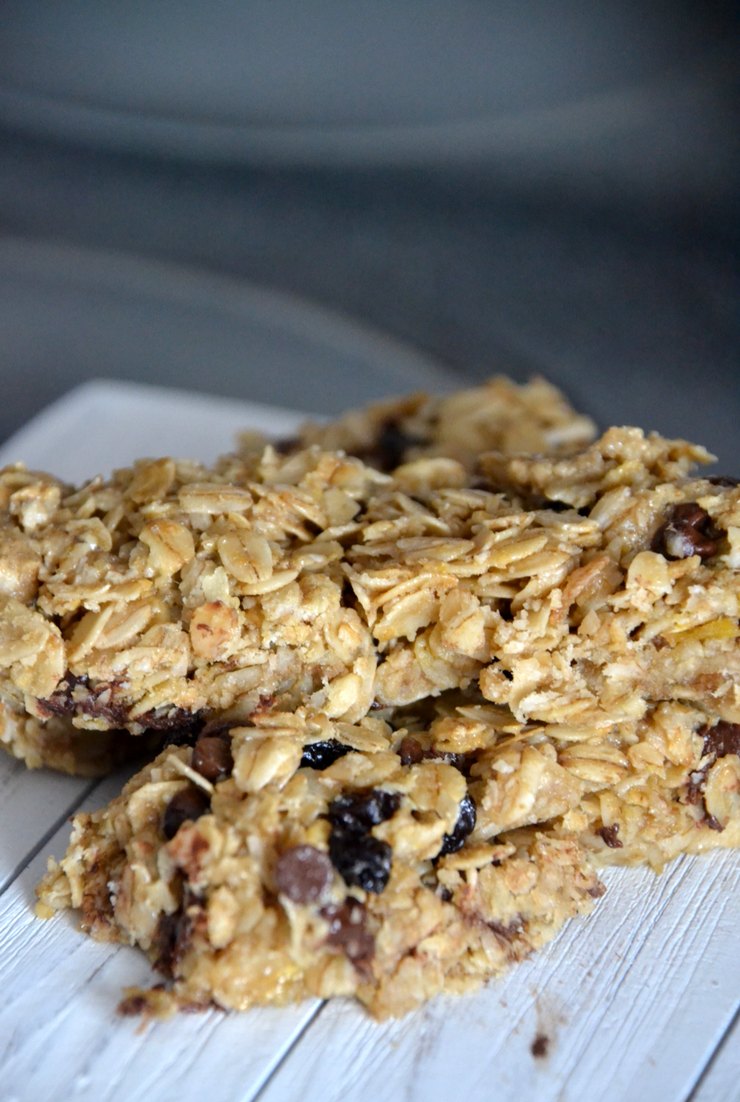
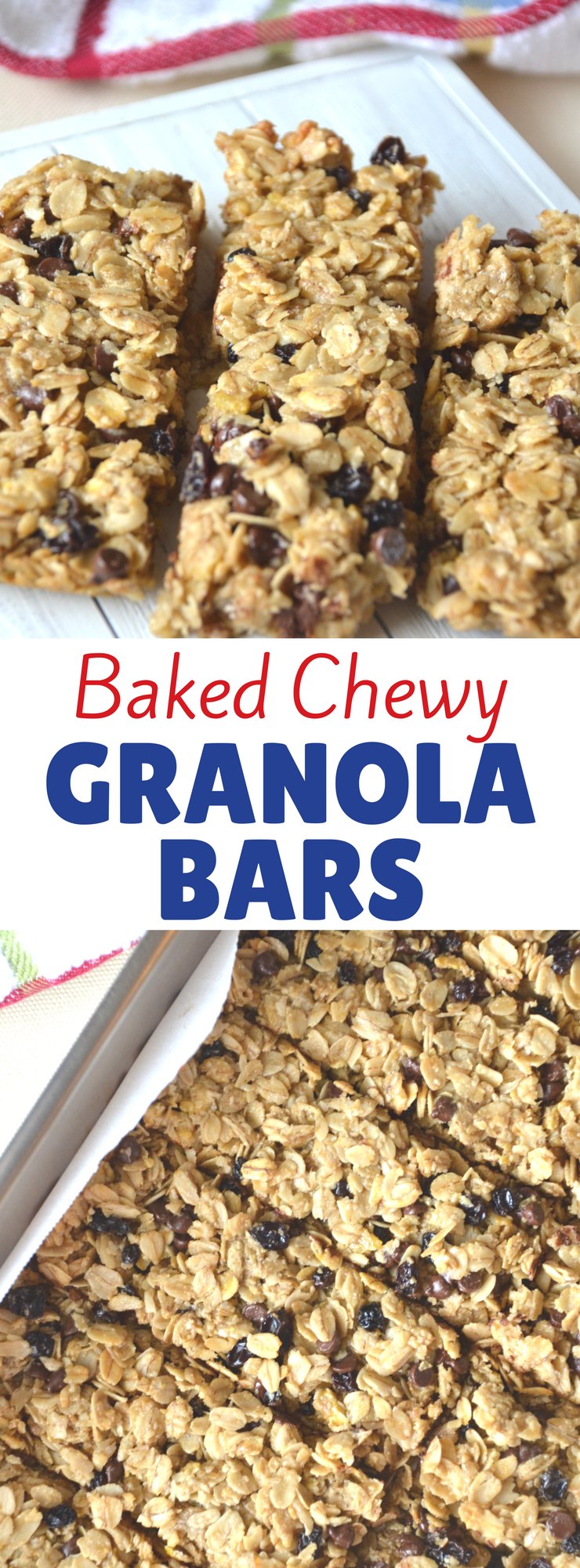
When it comes to replacing store-bought snacks with homemade it doesn't get much easier than granola bars. These chewy granola bars come together in minutes. The hardest part is waiting for them to bake!

Baked Chewy Granola Bars | Gluten-Free | Nut-Free

When it comes to replacing store-bought snacks with homemade it doesn’t get much easier than granola bars. These baked chewy granola bars come together in minutes. The hardest part is waiting for them to bake!When it comes to replacing store-bought snacks with homemade it doesn't get much easier than granola bars. These chewy granola bars come together in minutes. The hardest part is waiting for them to bake! I always have homemade granola bars on hand in the freezer. They are easy to make and taste great. The only problem is that they don’t hold up well unless they are refrigerated. So they are good at home…but not so good for packing in a diaper bag, putting in a lunch, etc.

Allergen-Free Granola Bars

I decided to experiment a bit and make a new version of chewy granola bars. They are baked, they use sunbutter instead of nut butter, and they have eggs to help hold them together.

These granola bars turned out quite well. They are still chewy, but not as gooey as the no-bake bars. They would hold up well sitting out all day. I wish I had made these before our vacation.When it comes to replacing store-bought snacks with homemade it doesn't get much easier than granola bars. These chewy granola bars come together in minutes. The hardest part is waiting for them to bake!

Homemade Chewy Granola Bars

I have seen recipes for other baked granola bars that don’t use eggs, so if you can’t have eggs you could definitely try these without. Just increase the honey and/or oil.

I’m usually a fan of rolled oats. But when it comes to granola bars quick oats actually hold up much better. Not to mention they are easier to eat for Intuitive Eaters. You can also another flour combined with oats (wheat, rice, etc.)

The other nice thing about these bars is that I was able to use chocolate chips in them…without the chips melting! A very versatile granola bar that holds up well and can be adapted to many special diets. I love them. My kids do too!!

When it comes to replacing store-bought snacks with homemade it doesn't get much easier than granola bars. These chewy granola bars come together in minutes. The hardest part is waiting for them to bake!

Are Granola Bars Healthy?

As much as we like to think that granola bars are a healthy snack option – they usually are not. Especially when it comes to store-bought versions!

Even organic granola bars have some questionable ingredients, like agave, xanthan gum, palm oil, and natural flavors.

Besides the quality of ingredients, store-bought granola bars typically have a lot of sugar and very little protein or healthy fat. Which can lead to blood sugar issues (anybody else have a kid that gets HANGRY very easily?…blood sugar problems).

That’s why I prefer to stick with homemade as often as I can. And since they are so easy to make and freeze so well it’s not too hard! Homemade granola bars have eggs and sunbutter for protein and butter or coconut oil for healthy fat.

Then there is the added bonus that they taste better. My husband is always upset when we are out of homemade granola bars. He likes them so much better than store-bought.

Fun little fact – granola bars a product of the Chemical Revolution. They are derived from military inventions of the 1940’s due to food rationing. Not exactly the place I’d look for a healthy snack.

Gluten-Free Granola Bars

By using gluten-free oats these granola bars are totally gluten-free. Although we don’t have any wheat allergies, we choose to eat gluten-free for other reasons.

You’d be surprised how many packaged granola bars have wheat flour added. Making homemade granola bars is a great way to be sure you are avoiding allergens or reactive foods.

Are granola bars a go-to snack for your kids? Try switching to homemade!

5 from 1 vote
Print

Baked Chewy Granola Bars

Servings 16

Ingredients

  • 4 cups quick oats
  • 1/2 cup honey
  • 1/2 cup butter or coconut oil melted
  • 1/4 cup sunbutter
  • 2 eggs (can be replaced with an extra 1/4 cup of honey and oil)
  • 1 tsp. cinnamon optional
  • 1 cup mix-ins dried coconut, raisins, dried fruit, chopped nuts, chocolate chips, seeds

Instructions

  1. Melt coconut oil and/or butter. Let cool slightly.

  2. Mix oats/flour, honey, oil, nut butter, eggs and cinnamon. The mixture should be quite moist. If it is not add more honey/oil. This is what binds the granola bars, so be sure all of the oats/flour are wet.

  3. Stir in mix-ins.

  4. Pour mixture into a greased or parchment lined 9x13-in. pan.

  5. Bake at 350 for about 20 minutes, until the edges just start to become golden.

  6. Let cool for about 20 minutes.

  7. Cut into bars (they will still be quite soft at this point) in the pan (do not remove).

  8. Allow to cool/solidify completely in the pan for 1-2 hours.

  9. Remove bars from pan and wrap individually. Store in the refrigerator for up to a week or in the freezer for up to a year.

Recipe Notes

You can replace some or all of the quick oats with rolled oats, ground oats, wheat flour, rice flour, buckwheat flour.

When it comes to replacing store-bought snacks with homemade it doesn't get much easier than granola bars. These chewy granola bars come together in minutes. The hardest part is waiting for them to bake!

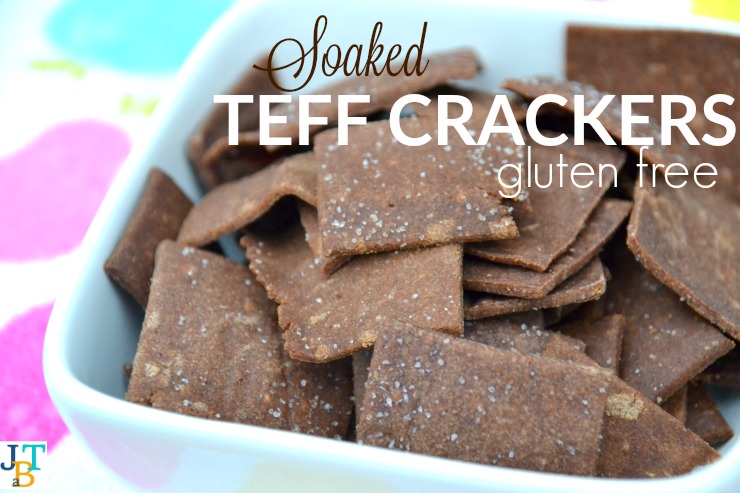
Soaked Teff Crackers | Just Take A Bite

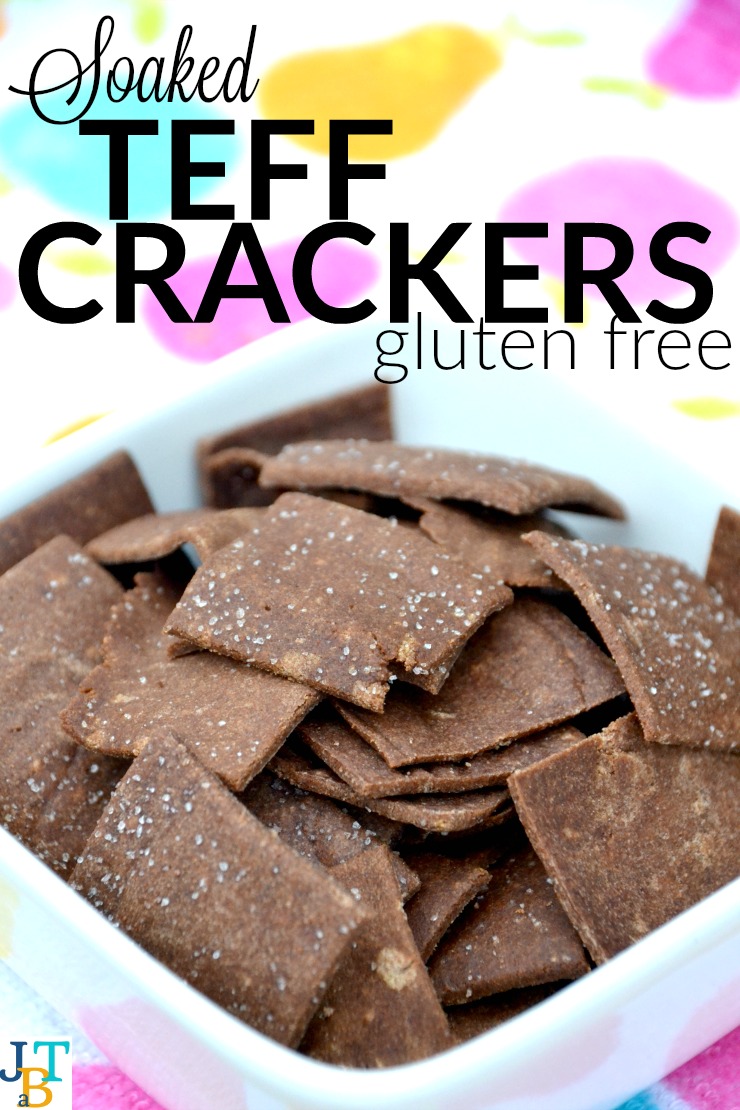
Soaked Teff Crackers | Healthy Gluten-Free Snacks

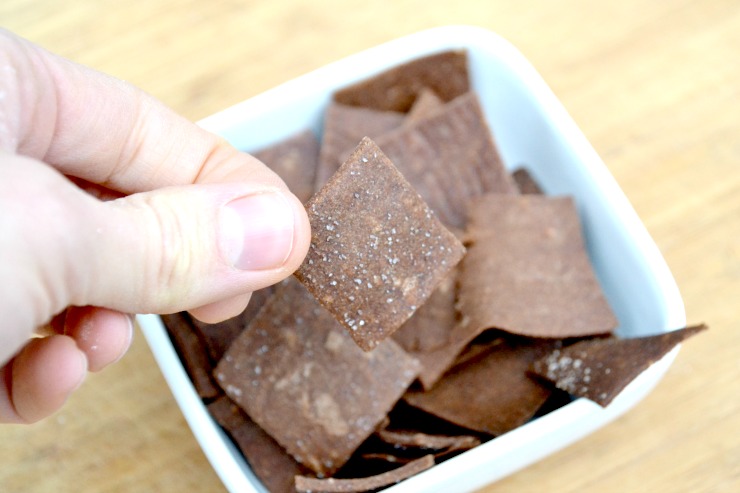
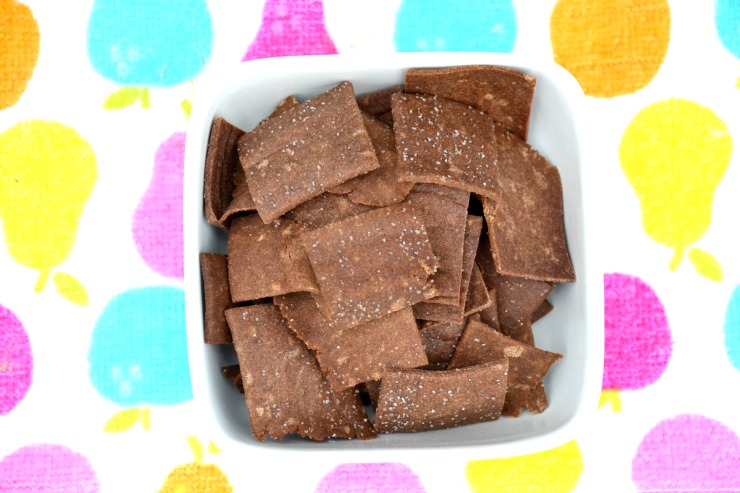
Tired of the same old crackers? Try something new with soaked teff crackers. Allergy-friendly, crunchy and salty these crackers are easy to eat for toddlers or strong enough to use for dipping.

Soaked Teff Crackers | Just Take A Bite

Normally when I do any gluten-free baking I use at least two different flours, usually three. I really like this combination.

Gluten-Free Baking with Teff

But when you are on a very limited diet and are trying to rotate starches, that gets tricky. You sometimes have to limit yourself to one grain/starch a day. Most gluten-free flours don’t work well alone (have you ever tried baking with just tapioca…it doesn’t work so well). But there is one that does.

Teff!

Soaked Teff Crackers | Just Take A Bite

What is Teff?

Teff is a very hearty grain that reminds me of wheat or rye. It gives great depth of flavor to baked goods. Sometimes I use it for about a quarter of the flour in my baking.

But other times I use it alone. Like in these soaked teff crackers.

Kid-Friendly Teff Crackers

I started making these crackers for my little one and I so we had something safe to snack on. But soon the whole family wanted them. My son even requested these in place of the crackers I had already made for him.

I like to keep a batch on hand at all times for dipping (hummus is my favorite), eating with soup or for an easy snack on the go.

These teff crackers have a hint of sweetness, so they are like Wheat Thins®. But they don’t have any vegetable oils, gums or fillers. Plus the flour is soaked for better digestion. Teff crackers are the perfect solution to delicious gluten-free snacking. I love to add extra salt on top to really satisfy my craving for a crunchy, salty snack.

Soaked Teff Crackers | Just Take A Bite

Easy Gluten-Free Snack for Kids

What’s even better is how easy they are to make! It takes about one minute to get the flour soaking. Then the next day you’ll have crackers in the oven with about ten minutes of hands-on time.

This is a great project for little hands. Invite your kids into the kitchen (check out this course for help!) and show them how fun and easy it is to make food from scratch.

Double the recipe and store half in the freezer. Snack on some and save some for easy lunch packing. Teff crackers, cheese slices and homemade lunch meat make the perfect homemade Lunchable®.

The next time  you are in the mood for something crunchy make a batch of teff crackers. Just be sure to make it a big batch! They’ll go quickly.

Teff Recipes

One of my other favorite ways to use teff is to make teff porridge. It’s a great alternative to oatmeal!

Some great breakfasts or snacks are my teff and sorghum cherry bars or my teff and rice granola bars. They are both loaded with flavor.

Have you ever baked with teff?

Give it a try with these foolproof soaked teff crackers. The whole family will love them.

Soaked Teff Crackers | Just Take A Bite

Soaked Teff Crackers
Yields 50
A gluten free Wheat Thin style cracker made with teff flour.
Write a review
Print
Ingredients
  1. 2 cups teff flour
  2. 4 Tbsp. extra virgin olive oil (or melted lard, tallow or butter)
  3. 6 Tbsp. warm water
  4. 1 tsp. lemon juice
  5. 1 1/2 tsp. unrefined sea salt
  6. 6 tsp. organic cane sugar
  7. 1/2 tsp. baking soda
  8. 3-6 Tbsp. water
Instructions
  1. Combine the flour, fat, warm water and lemon juice.
  2. Cover and let sit 7-24 hours.
  3. Heat oven to 350*F.
  4. Add the salt, sugar, baking soda and 3 Tbsp. water to the soaked mixture.
  5. Mix and knead dough by hand until a ball forms. Add more water if needed.
  6. Split the dough into three equal parts.
  7. Cut four pieces of parchment paper (the size of a baking sheet).
  8. Place one piece of dough on one piece of parchment paper. Top with another sheet of parchment paper.
  9. Roll the dough between the paper until it is about 1/8" thick.
  10. Remove the top layer of paper.
  11. Cut into desired shapes with a pizza cutter or cookie cutters.
  12. Sprinkle extra salt on top of the dough.
  13. Transfer the parchment paper to a baking sheet.
  14. Repeat with the remaining portions of dough.
  15. Bake the crackers for about 20 minutes, until golden.
  16. Turn off oven. Leave the crackers in the oven for 7-10 minutes, until crisp.
  17. Remove from oven and let cool completely.
  18. Store crackers in an airtight container at room temperature for up to a month or in the freezer for up to a year.
Just Take A Bite https://justtakeabite.com/
 This post is linked to Savoring Saturdays.

Easy Allergen-Free Sweet and Sour Meatballs | GAPS, Grain-free

Easy, Allergen-Free Sweet and Sour Meatballs | GAPS-Legal

Looking for a quick, nutrient-dense meal that your kids will actually eat? These sweet and sour meatballs are free of all major allergens and GAPS-legal. Not to mention they are loaded with broth! They are sure to be a family favorite to add to your weekly meal plans.
 
Easy Allergen-Free Sweet and Sour Meatballs | GAPS, Grain-free
 

When I embarked on the GAPS diet years ago there weren’t that many resources available. Which meant I had to come up with most of my own recipes.

Although I came off the GAPS diet a long time ago, it taught me how to be really creative in the kitchen.

That is how I came up with this easy sweet and sour meatball recipe that has been both a family favorite and reader favorite for years!

Allergen-Free Meatballs

Most meatball recipes include egg. Sometimes they also have bread or breadcrumbs and some type of milk.

Those ingredients do make a delicious meatball. But when you are dealing with allergies, it’s hard to substitute.

So I created meatballs that are not only allergen-free, but can also be nightshade free!Easy Allergen-Free Sweet and Sour Meatballs | GAPS, Grain-free

Easy Gluten-Free Sweet and Sour Sauce 

The real secret about these meatballs is not actually the meatball at all. Instead it’s the sauce!

A combination of broth and honey cook down to a rich and gooey sauce that kids love.

Depending on dietary needs I add ketchup, dijon mustard, and/or a bit of pumpkin to bring it all together.

Healthy Dinner in Less Than 30 Minutes

Taste aside, I love that I can make these meatballs in under 30 minutes. Simply brown, add the sauce ingredients, and simmer until thick.

My kids love sweet and sour meatballs served with buttered gluten-free noodles. Any time I ask my five-year-old what she wants for dinner I get the same answer – meatballs and noodles! Sweet and sour meatballs are also great with rice, mashed potatoes, mashed sweet potatoes, or squash.

If you are in need of an easy, nourishing weeknight dinner that the kids will gobble up, this is it! They’ll get lots of broth without even knowing it. Plus grassfed beef for loads of protein and vitamins. A win all around!

Do you have a go-to easy button dinner? Give these allergen-free sweet and sour meatballs a try.

This post is linked to Fat Tuesday at Real Food Forager.

Easy Allergen-Free Sweet and Sour Meatballs | GAPS, Grain-free

Easy Allergen-Free Sweet and Sour Meatballs

A quick and easy meatball recipe kids will love.

Prep Time 5 minutes
Cook Time 18 minutes
Servings 4

Ingredients

  • 1 lb. grassfed ground beef, pastured ground chicken, or ground pork
  • 1 tsp. salt
  • 1 tsp. onion powder
  • 1/2 tsp. garlic powder
  • 1/2 tsp. turmeric
  • 1 Tbsp. avocado oil, tallow, lard, or coconut oil
  • 1-2 cups chicken or beef broth
  • 1/4 cup ketchup optional
  • 1/4 cup honey
  • 1/2 tsp. salt

Instructions

  1. Combine the meat, salt, garlic powder, onion powder, and turmeric. Mix well.

  2. Form into meatballs.

  3. Heat a large skillet over medium-high heat. When hot add 1 Tbsp. fat.

  4. Brown the meatballs on all sides.

  5. Add the broth, ketchup, honey, and salt. Simmer until thick, about 10 minutes, stirring periodically to coat the meatballs.

  6. Add extra broth and continue to simmer for more sauce.

Recipe Notes

For a nightshade-free version, replace the ketchup with 1/4 cup dijon mustard or 1/4 cup pureed pumpkin.